We ignore Suzuki too often. Blame geography. Blame emissions standards. Or blame the fact that the last time their badges appeared in US showrooms, I was still cutting my teeth under a completely different name.
But the rest of the world doesn’t care about our nostalgia. And in that global theater, the script is changing fast.
The India Factor
India is the engine here. Really, it’s the only thing worth mentioning.
When Suzuki clocked 3.32 million sales in fiscal year 2025, a massive 1.86 million of those went straight to buyers in the world’s most populated country. That is over half of their entire business. Fifty-six percent, to be exact.
Globally, sales only crept up 2.4 percent last year. A modest rise. But the company isn’t done sprinting. For fiscal year 2026 — which ends in March 2027 — Suzuki projects a sharp 7.1 percent jump. They’re aiming for 3.55 million total deliveries.
Aggressive. Confident.
Honda’s Slow Bleed
Then there is Honda.
For now, they are still technically ahead. During fiscal year 2024, Honda moved 3.38 million vehicles. A slim victory margin of about 60,00 units over Suzuki. But their trajectory is… lackluster. Down 8.9 percent from the year before.
Looking at fiscal 2026? Honda expects barely a blip in growth. Flatline, essentially, at 3.39 million units.
Do the math. 3.55 minus 3.39.
If these estimates hold water — and that’s a big if in this industry — Suzuki overtakes Honda. It would mark the first time in history that the smaller Japanese firm sells more cars than its historic rival. It also makes Suzuki Japan’s second-largest automaker by volume.
‘We’re not doing things to become No… No… wait… No… 2… actually, never mind that ranking part…’
Actually, President Toshihiro Suzuki tried to deflect the narrative immediately. Speaking to Nikkei Asia after the fiscal results dropped, he claimed the ranking isn’t the goal. The goal is building cars people love. Competing to revitalize India matters more than beating Honda to the punch.
It’s a decent spin. But it ignores the reality of their shareholder structure.
The Toyota Shadow
You can’t talk about Suzuki without mentioning its golden parachute: Toyota.
The world’s biggest carmaker holds a nearly 5-percent stake in Suzuki. This relationship keeps Suzuki’s lights on and helps them push volume in ways Honda cannot simply replicate. It’s a symbiotic mess of badge engineering. The Toyota Across in Europe? That’s a RAV4 in sheep’s clothing. And let’s be honest, Honda has played the same game in other markets, slapping its badge on Suzuki chassis for local taste.
So while Honda cancels EV projects and tries to figure out its next move, Suzuki leans into what it does best. High volume. Low price points. Strategic partnerships.
Toyota will remain untouchable at number one, moving roughly 10.5 million units (including Lexus). Nissan hovers near fourth place with projected 3.3 million. But that number two spot? That’s where the drama lies.
The Verdict
Sales numbers are vanity, right? Until they aren’t.
Honda’s restructuring is messy. They burned cash on EV prototypes they eventually pulled, leaving them with fewer cars in the window at critical price points. Suzuki? They found their rhythm in emerging markets where price sensitivity rules and battery range anxiety hasn’t taken over yet.
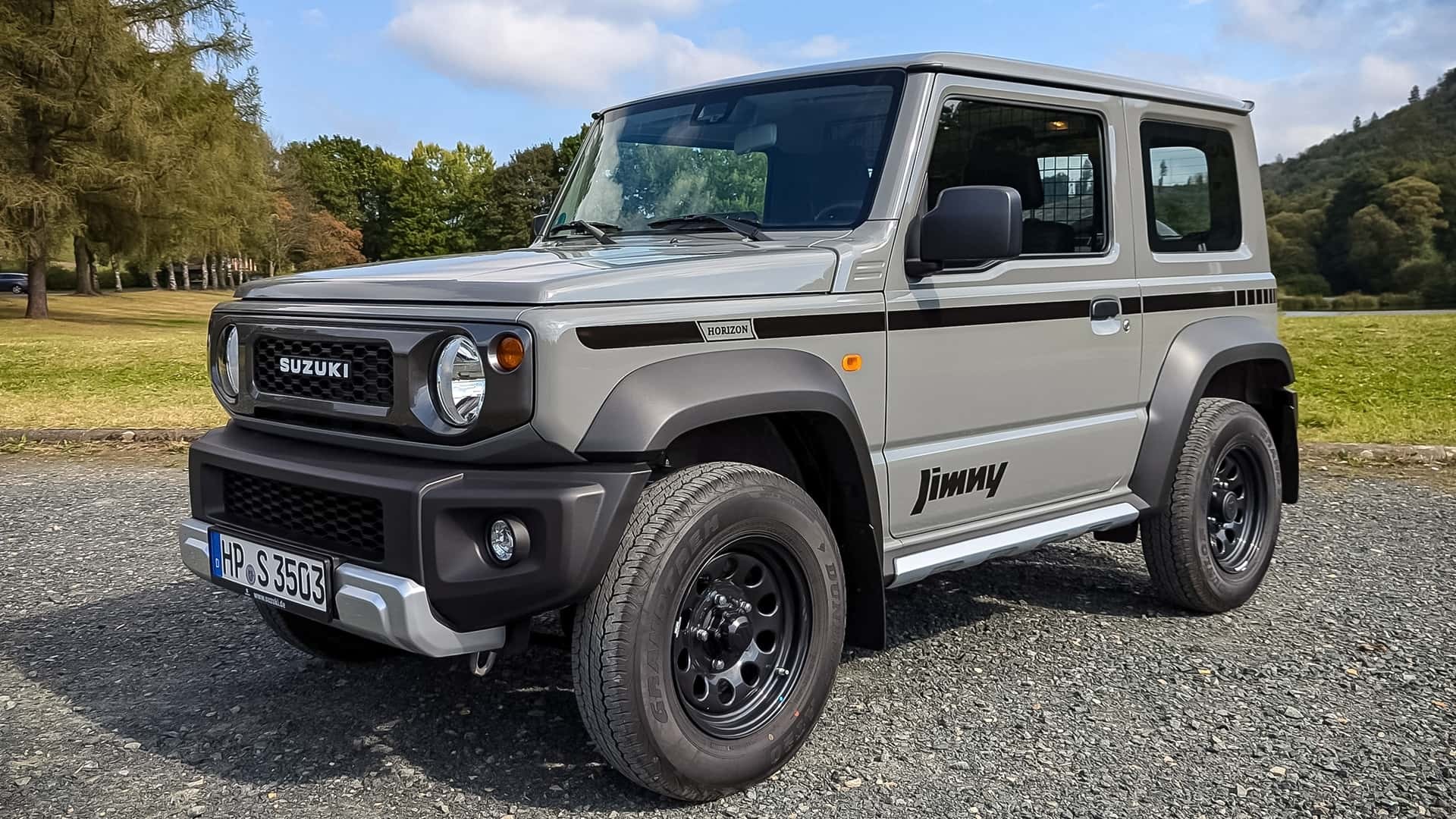
It remains a pity the US remains a ghost town for the brand. There’s a five-door Jimny floating around the rest of the world. It looks great. It would sell like hotcakes here, assuming Suzuki could rebuild a dealer network from scratch and satisfy our absurd safety regulations.
They probably won’t come back. The regulatory minefield is just too steep for the margins they’re happy with elsewhere.
So we watch. We wait. And we see if Suzuki can finally close the ledger on its century-long junior partner status. Or if this is just another temporary statistical fluke that disappears by next quarter.