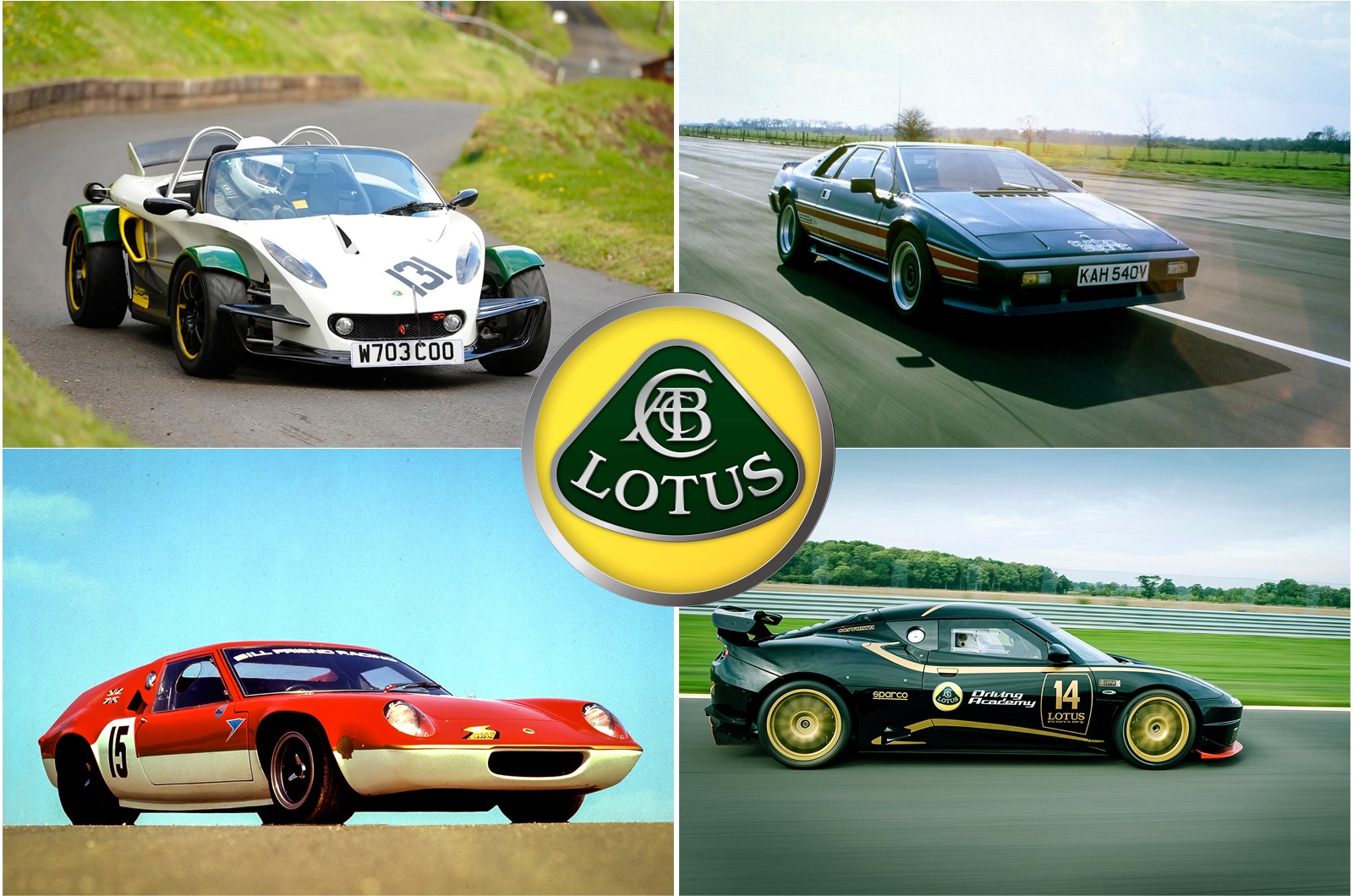
Lotus has been making cars since 1952. Most are British. Most are fast. Some are strange. We are looking at the big numbers and the small ones. Some cars sold out on purpose. Others? The market just said no.
We start with the heavy hitters.
The Heavyweights
Lotus Seven (1957–73)
2,475 sold.
Rank number ten. Colin Chapman’s baby. A two-seater with no roof. You drove it to work Monday through Friday. On Saturday you took it to a race track. Simple. If you wanted to avoid taxes, you built it yourself from a box. Complete Knock Down. Just assemble it in the garage. Or on the lawn.
Lotus Esprit (1976–90)
2,919 units.
Rank nine. This one needs an explanation involving spies. Lotus parked this car outside Albert R. ‘Cubby Broccoli’ office in London. Broccoli owned Bond. They loved it. James Bond drove it in The Spy Who Loved Me. Free advertising on a global scale. The design was sharp, Italian-inspired, and the handling was good. No, you couldn’t actually launch the missiles. But everyone pretended they could.
Lotus Exige 2 S (2–2006–2011)
3,306 units.
Rank eight. It came from racing. It used a Toyota engine with a supercharger. Track day crowds loved it. It was sharper than expensive German rivals. People bought it and then added more power because the factory output wasn’t enough for them. Why hold back?
Lotus Elise 2 (2–2–00–2006)
4,535 units.
Rank seven. GM put money in the bank. The interior got better. The engine got tweaked, a 1.8-liter K-series. The looks were aggressive, borrowing bits from a concept car called the M250. GM also made a cousin for it. In Britain it was the Vauxhall VX22. In Europe the Opel Speedster. Same skeleton. Different paint.
Lotus Elan & Elan S (198–2089–29–95)
4,65 units.
Rank six. Here is where it gets weird. The first and only front-wheel-drive Lotus ever. GM funded it again. It used an Isuzu engine. 1.6-liter. Sometimes turbo. It wasn’t profitable for Lotus. So they sold the rights to Kia. Kia built it for another three years after Lotus dropped it.
The Breakout Hits
Lotus Elan + 2–2)
5,1–16 sold.
Rank five. How do you improve a winner? You make it longer. One foot longer, actually. That allowed rear seats. Finally. It needed more power to pull the extra weight so it got a twin-cam engine. It was also the last Lotus sold as a kit car. Well. The first one not sold as a kit. Reliability improved when customers stopped using a wrench in the driveway.
Lotus Elise–9–0–21)
8,6 sold.
Rank four. This car saved the company from bankruptcy. No hyperbole. The roof was a nightmare to put up in wind. The door sills were high walls to climb. But the weight? Low. The steering? Magic. People forgave the inconvenience because the driving experience was electric.
Lotus Elise 11R (2–20–011)
8,6–8 sold.
Rank three. Toyota engines again. More reliable this time. 1–89–bhp. Enough power to finally meet US emissions standards. Previous engines failed EPA checks. America said no. This one? America said yes. An extra gear ratio helped.
What does it tell us? Maybe Americans like Japanese parts more than British kits. Or maybe they just like not thinking about emission tests. The 11R arrived. It sold. End of story? Probably not. Lotus still has to sell the next one.