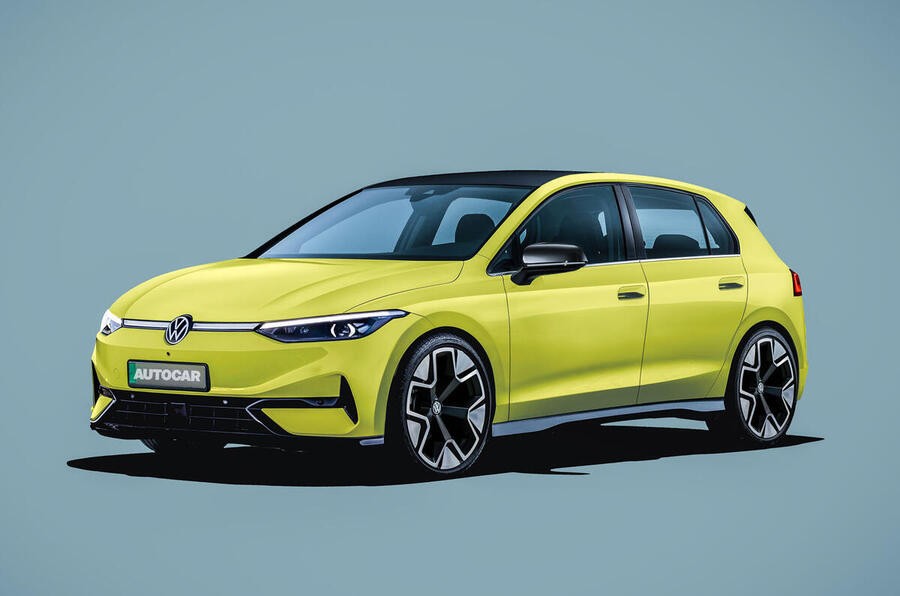
The Electric Golf is going to take forever to arrive. Well, until the end of the decade at least.
Volkswagen CEO Thomas Schäfer didn’t mince words during a recent event in London. No ID. No Golf. Not in 2028, and maybe not even close to that timeframe. He confirmed it bluntly: we just don’t need an electric Golf right now. The current lineup is good enough. It is well stocked, he claims, and ready for whatever the market throws at it.
“We have a fantastic line up now that we do not need an Electric Golf in 2028.”
This shifts things significantly. Reports had pinned the ID.3’s successor for 2028, but Volkswagen’s brass seems to think we are fine without one. The brand is flooding the zone instead. The new ID.1, an updated ID.2, and the ID.Crozz are hitting the roads this year. These new models give the brand a breathing space, some time to build brand trust and consumer acceptance before the first truly mass market EV, the Golf, gets the plug-in treatment.
But it is not just a branding ploy. Another factor, and arguably a more significant one, is a technical delay. The SSP platform is the heart and soul of VW’s next generation cars, the tech that will finally allow EVs and internal combustion cars to reach the same price tag. Oliver Blume, the group’s boss, said as much recently.
The platform has some big specs, too. It features 800 volt electronics, advanced batteries and software code from Rivian, an American brand with a reputation for doing things differently. Originally supposed to launch this year, development issues have pushed it back. Hard. First launches for these vehicles, therefore, won’t be seen until 2028 at the earliest.
So which VW models get there first? You would think it would be the Golf, after all that is what VW is. Not so. It’s Audi and Porsche. Schäfer spelled out the order. First the premium brands get it. Then Porsche. And only later, us VWs. Then on and on down the line.
He admitted the timeline sounds slow. He said, “it sounds like we take long”. But the justification is all about scale. You have to hit that scale in the EV space, otherwise, no parity on margins. Competition has forced their hand, too, particularly from China, which has made VW group rethink everything on EV costs and platform development, down to materials and how they build these platforms in the first place.