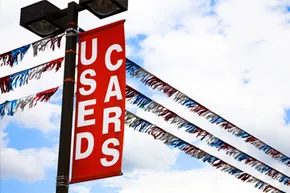
Dealerships are cash cows, but they don’t make the same kind of money on every sale. If you think buying brand new means you’re walking into a predatory trap, think again. The real markup happens when you trade in your old ride.
The math is simple. New cars have standardized pricing. Used cars do not.
The Thin Margins of New Car Sales
Most people assume dealerships rake in huge profits on every shiny new vehicle rolling off the lot. That’s a myth. The profit margin on most new cars is actually quite slim. Manufacturers price high-volume models strategically to compete with rival makes and dealerships. They aren’t trying to make a fortune on a Honda Civic or a Ford F-150. They’re trying to keep the lights on and the volume up.
Of course, dealers do make more money on expensive SUVs and luxury cars. But even there, the competition is fierce. The internet has stripped away the secrecy that once protected dealer pricing. Shoppers now know what “dealer invoice” means. It’s the baseline cost the dealership pays the manufacturer. Laws also require window stickers to display this info, along with fuel economy and features.
A well-educated buyer can look at a sticker, check the invoice price online, and see exactly how much wiggle room exists. If a dealer is asking $500 over invoice on a popular sedan, you can walk away. The power has shifted to the consumer.
The Used Car Wild West
Used cars are a different beast entirely. There is no uniform pricing guide for a three-year-old Toyota Camry with 40,000 miles. Depreciation varies wildly by region, model year, and condition. Dealerships are under no legal obligation to tell you what they paid for the vehicle.
This opacity creates opportunity.
Guides like Kelley Blue Book and NADA Guides offer estimates for trade-in, wholesale, and retail values. They are useful starting points, but they are not gospel. A dealer might list a car slightly above the “retail” value and still sell it quickly because the average buyer doesn’t dig deeper. If the car looks clean and the price seems comparable to other listings, most people won’t question the markup.
How do dealers get these cars so cheap? They buy them at auction or accept lowball trade-in offers from customers desperate to drive off in a new model. The gap between their acquisition cost and the retail price is where the real profit lives.
The Hidden Revenue Streams
Selling new cars isn’t a total loss. It’s a loss leader during the warranty period. Dealers make their money when that same customer returns for service after the warranty expires. Maintenance and repairs are high-margin items.
But the finance department is where the real magic happens. Once you’ve negotiated the purchase price, the finance manager steps in. This is a second sales pitch. They will push extended warranties, gap insurance, and other add-ons. Some dealers qualify you for a loan at one rate, then quote you a slightly higher interest rate at the signing table. They pocket the difference. It’s legal. It’s also shady.
“It’s fair for a car dealership to make a profit. But some techniques, though legal, are still shady.”
You need to be vigilant. The system is designed to confuse you just enough that you forget to ask questions. Don’t.
What You Should Know Before You Buy
The dealership model relies on information asymmetry. New cars are transparent. Used cars are opaque. Finance is a minefield.
If you are buying new, know the invoice price. Negotiate hard. If you are trading in, get multiple offers. Don’t let the dealer lowball you because they know you’re excited about a new vehicle. And if you’re financing, shop around for loans before you visit the lot. Don’t let the dealer’s finance manager dictate your interest rate.
The profit margins are real. They are just not where you think they are.