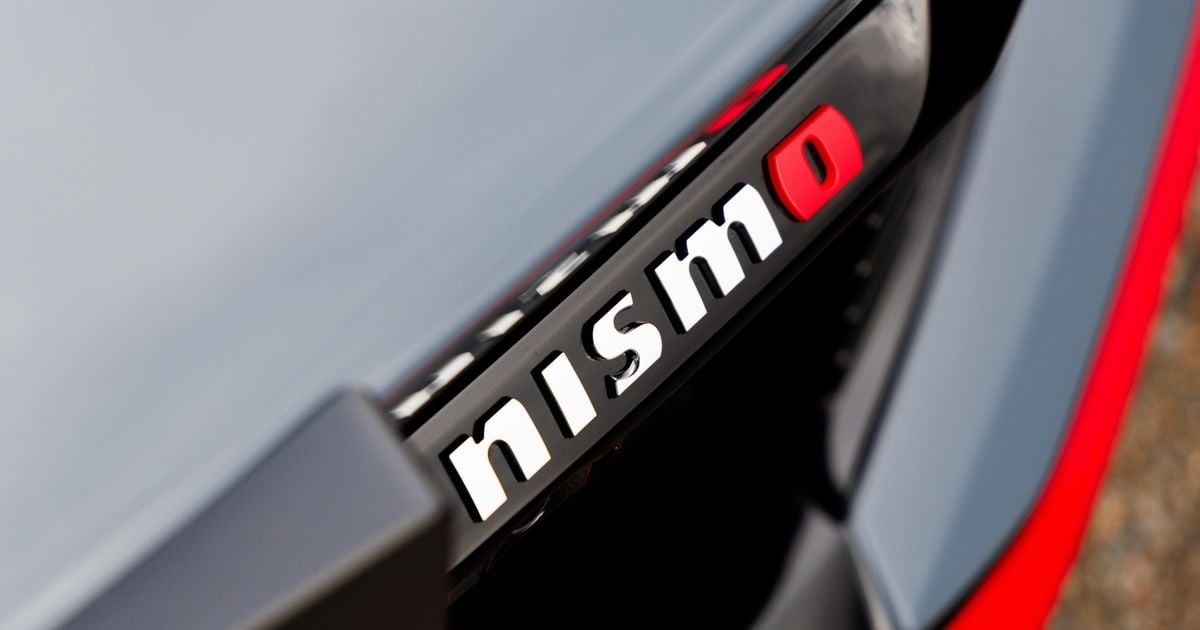
Things are ugly right now. Massive losses in 2024. Huge cuts in 2025. Seven plants shutting their doors for good. The global auto giant is bleeding out.
So what is Nissan doing next?
They are building a temple to speed.
The Nismo Gamble
Nismo global president Yutaka Sanada dropped the news. By the end of 2024? No. End of 2026. A new Nismo Performance Centre in Melbourne will finally open its gates.
One of the first outside Japan.
It feels almost rebellious. To launch a performance brand expansion while the parent company posts a 5.9 percent drop in sales globally. To double down on racing heritage while local Australian sales have plummeted 21.6 percent and keep sliding into 2026.
Most CEOs would be cautious.
Sanada is not.
“Frankly, this activity is… for business, but… a significant contribution to the Nissan brand.”
He doesn’t see a contradiction. He sees identity. When you buy a boring gray hatchback, do you care that the maker won races forty years ago? Maybe not. But remind the loyalists. Remind the engineers. Remind the people who buy Z Nimos that the soul isn’t dead yet.
Is that enough to save the brand?
Who knows.
But Nismo isn’t just a sticker anymore. It’s a profit center. Overseas markets get Nismo Patrols and Ariyas. The Note Aura Nismo takes 20 percent of its nameplate sales back home. Even in Australia, where options are sparse, the Z Nismo drives 10 percent of all Z sales.
That is not a niche hobby. That is real revenue.
Beyond Melbourne
The plan is aggressive.
By 2028 they want ten global models under the NMC umbrella—merging Nismo with the Autech tuning arm. They aim to shift overseas business from 40 to 60 percent. Revenue targets? Skyward. From 500 billion yen to 1.2 trillion by 2032.
That’s about 10.6 billion Australian dollars.
Melbourne is just the start. Sydney gets a site too. They are eyeing Adelaide. Brisbane. Even Auckland is on the table.
Will Australia get more car variants?
Not yet.
Steve Milette, the managing director for Nissan Oceania, doesn’t pretend to know if tuning packages sell base model Qashqais. He says it won’t. Maybe. But then he shrugs.
“It’s engagement.”
New arrivals to the Australian market? They come with money and factories. They do not come with forty years of track scars. They do not have the history to lean on. Nissan does.
Milette argues it is time to use that passion. To leverage the heritage other manufacturers simply cannot fake. It builds brand loyalty. It sells parts. It keeps the lights on for the die-hard fans.
The recovery plan is messy. It involves closures, layoffs, and bad press.
It also involves opening a showroom that smells like exhaust and vinyl, telling a small, passionate slice of the market that they are still wanted.
Whether that saves the company remains to be seen. But it is a distinct strategy. One built on hope rather than balance sheets alone.