Mitsubishi is watching. For years, rivals modernized their lines. Mitsubishi let its lineup age. Not this time. The company isn’t going to repeat that mistake with whatever comes next.
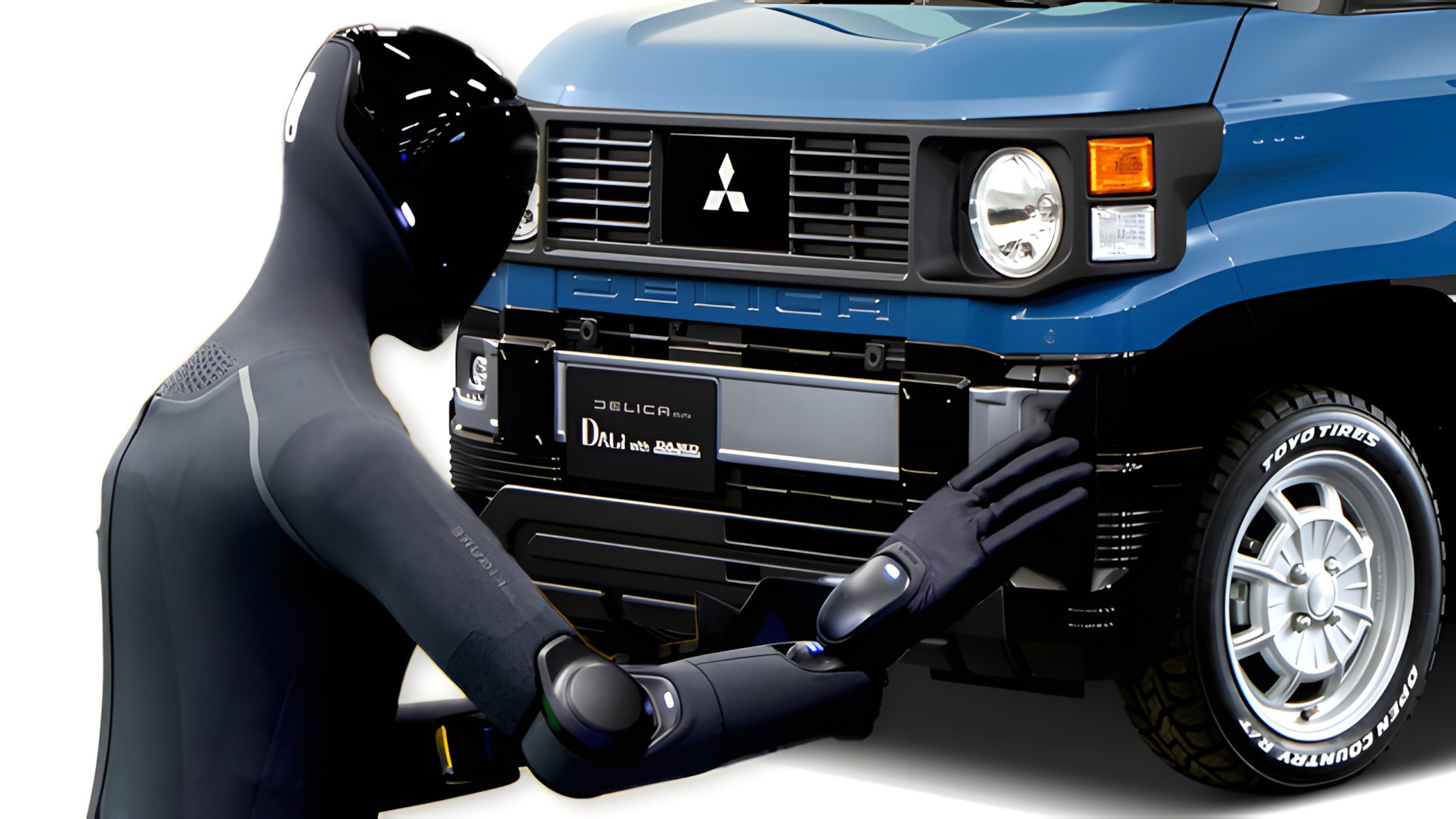
Instead, they are building humanoid robots.
They signed a deal with a tech startup called Highlanders. Originating from the University of Tokyo, this startup helps Mitsubishi tackle Japan’s stubborn labor shortages. Automation fills the gap. It fixes a weakness Mitsubishi has felt across its entire business.
Mitsubishi has invested in Highlanders. Maybe more money follows, nobody knows.
Unlike BMW buying machines in the US, Mitsubishi isn’t just purchasing hardware. They co-developed these bots. Then they assemble them in-house. Empty buildings at the Kyoto plant are being repurposed for robot production. Production might start as early as 2017. Wait. 2027. The Kyoto site makes engines. They want a capacity of 1,100 units a month? No. 1,000.
The AI-equipped bots start with grunt work. Ferrying components. Assembling engines. If they don’t break on the line, Mitsubishi plans to sell them to others.
This Memorandum of Understanding? Mitsubishi calls it the first mass-production collab between a car brand and a humanoid robot firm. Is it truly unique? Other car makers do similar work. But for a company trailing in many markets? It matters.
Humans And Machines
Mitsubishi doesn’t mention firing workers.
They prefer the phrase “humans and robots working together.” It’s a challenge. A new industrial foundation. Takao Kato, the chief executive, sees it as an opportunity. To deepen tech expertise. To drive growth. To enhance corporate value.
He points to the supply chain. Welding. Logistics. There is “great potential” here. The production line offers endless tasks.