The price of charging an electric vehicle in the UK just got complicated.
Prime Minister Andy Burnham has moved quickly. In one of his first major decrees, he’s slashing the tax on home electricity. The goal? To put money back in pockets and lower the cost of running an electric car.
But here is the catch.
This isn’t a universal cut. Burnham is not touching the VAT on public chargepoints. Instead, he’s making domestic electricity exempt from the tax entirely.
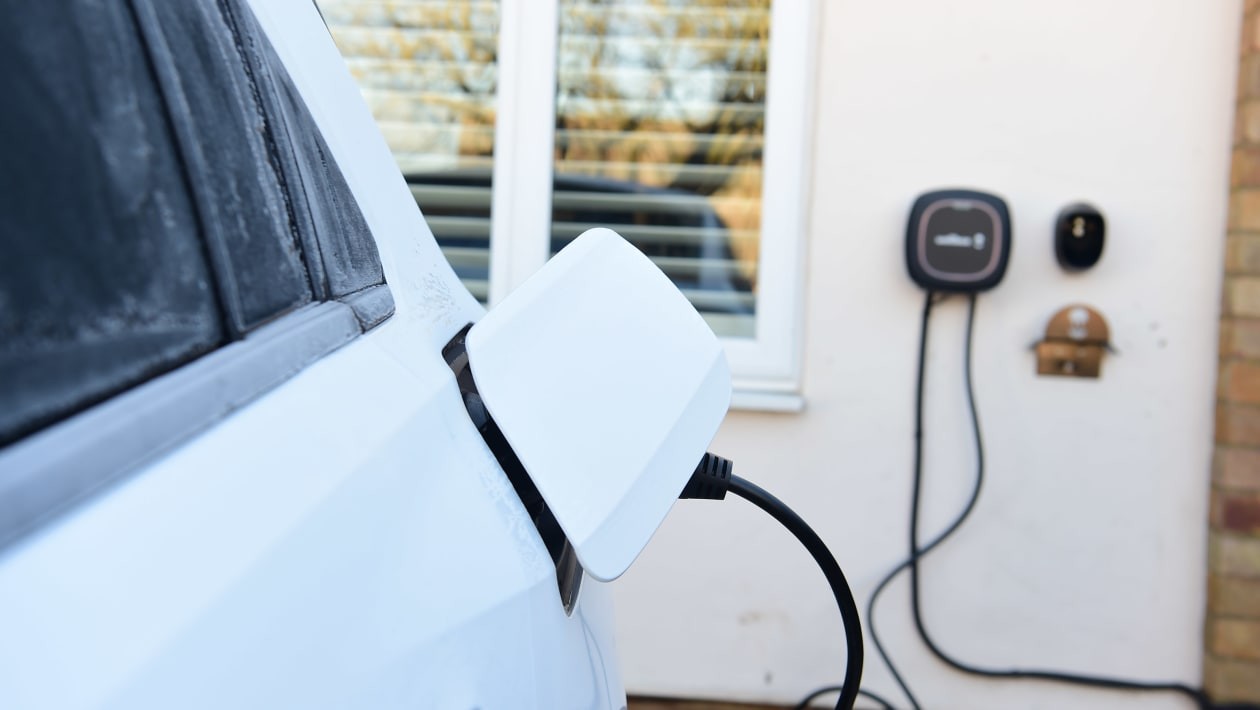
For drivers who can plug in at home, this is a win. For those without a driveway? The gap widens. The policy saves the average electric car driver between 24p and 71p per charge, depending on their tariff.
How much do you save on home charging?
The mechanics are simple, though the savings are specific.
Currently, domestic electricity carries a 5% VAT rate. Public charging suffers under the full 20% rate. Starting October 1, home electricity will be VAT-free.
This aligns with the new Ofgem energy price cap, also effective October 1. The tax relief is designed to neutralize any spike in energy costs.
So, what does that mean for your wallet?
Data from July to September shows the standard price cap sits at 26.11p per kWh. If you drive the UK’s bestseller, the Tesla Model Y, and charge at standard rates, you save about 78p per charge.
If you use an off-peak tariff—paying just 8p per kWh—the saving is smaller. Roughly 24p per charge.
Over a year?
The average driver covers 7,100 miles. Based on that distance, savings range from £5.43 to £17.64.
The theoretical savings could be even higher in October. Energy providers are allowed to raise prices under the new cap. If bills go up, the absolute value of the VAT cut goes up with them.
The public charging disparity
While homeowners celebrate, the industry warns of a fractured landscape.
Vicky Edmonds, CEO of the EV advocacy group EVA England, calls the home charging cut “welcome news.” It reinforces the economic advantage of EVs for those with garages or driveways.
But millions drive without a fixed home point.
Edmonds points out a harsh reality: these drivers won’t see the same benefit. They still pay the public rate.
“Cutting VAT on household energy… makes cars cheaper to run for those who can,” Edmonds said. “But for millions without a driveway, they can’t easily access home charging.”
John Lewis, CEO of charging firm char.gy, agrees. The new policy highlights an existing unfairness.
Drivers relying on public infrastructure pay 20% VAT. The electricity is identical. The source is the same grid. The only difference is the wall outlet.
Lewis argues that if the government wants a true transition, public charging VAT must be equalized. The current system penalizes apartment dwellers and city drivers.
Why the automotive industry wanted more
Before Burnham’s announcement, the car lobby had a different ask.
They wanted public charging VAT reduced to 5%. This would match the old domestic rate.
It wouldn’t be a total exemption. But it would close the gap significantly.
Consider the numbers from ZapMap.
The average cost for rapid public charging is 79p per kWh.
A 15% VAT cut (dropping the rate to 5%) would bring that to 67p per kWh.
For a 60kWh Tesla Model Y doing a 10-80% charge:
– Current cost: £33.18
– Potential cost: £28.14
– Saving: Around £5 per charge.
Five pounds sounds small. Multiply it by frequent long-distance commuters or ride-hail drivers. It adds up. It affects the math of ownership.
The Treasury’s defense
Does the government admit this is a compromise?
Sort of.
A Treasury spokesperson told Auto Express that the relief was never specifically designed for EVs. It’s a general energy policy.
“Domestic electricity VAT reliefs were not introduced for charging EVs… It is not possible for energy companies to distinguishbetween electricity used to charge an EV and energy used for general purposes.”
The logic is practical, if frustrating. You can’t meter the electrons.
However, the government isn’t ignoring the public charging issue entirely.
They are reviewing the cost of public charging. The review looks at energy prices, infrastructure costs, and consumer impact.
Expect announcements on public VAT later.
But for now, the October shift is clear.
If you have a driveway, your running costs drop.
If you don’t, you’re paying for the privilege of being left behind.
The policy puts cash in some pockets. It leaves others empty.