The numbers don’t lie.
Australia’s appetite for plug-in hybrids isn’t just growing. It’s exploding.
Sales data from the first six months of 2026 shows deliveries have more than doubled compared to the same period last year. Plug-in hybrid vehicle (PHEV) shipments jumped by 111.8%. That is aggressive expansion.
The Federal Chamber of Automotive Industries (FCAIs) put out the figures. We’re looking at 54,256 units delivered to Australian customers. This count includes extended-range electric vehicles (EREVs), too.
Compare that to conventional hybrids. Their sales ticked up a modest 11.9%. Big market share for them, sure. But the PHEV growth rate is in a different league entirely.
Market share shift
Let’s look at the broader picture.
The total new vehicle market sat at 631,582 deliveries in this half of 2026 PHEVs captured an 8.6% share. It’s a solid foothold. Compare that to the first half of 202, when PHEVs only held 4.1% of the pie. That share has more than doubled in just one year.
Hybrids are still the volume kings at 16.6% share. Electric vehicles (EVs) sit closely behind at 16.4%. Up from 7.6% in early 2025, EVs are gaining ground, too. But the plug-in segment is the one showing violent acceleration.
Who is actually selling these?
If you’re looking for the best-selling PHEV brands in Australia right now, look East.
The top five spots are all Chinese manufacturers. It’s not close.
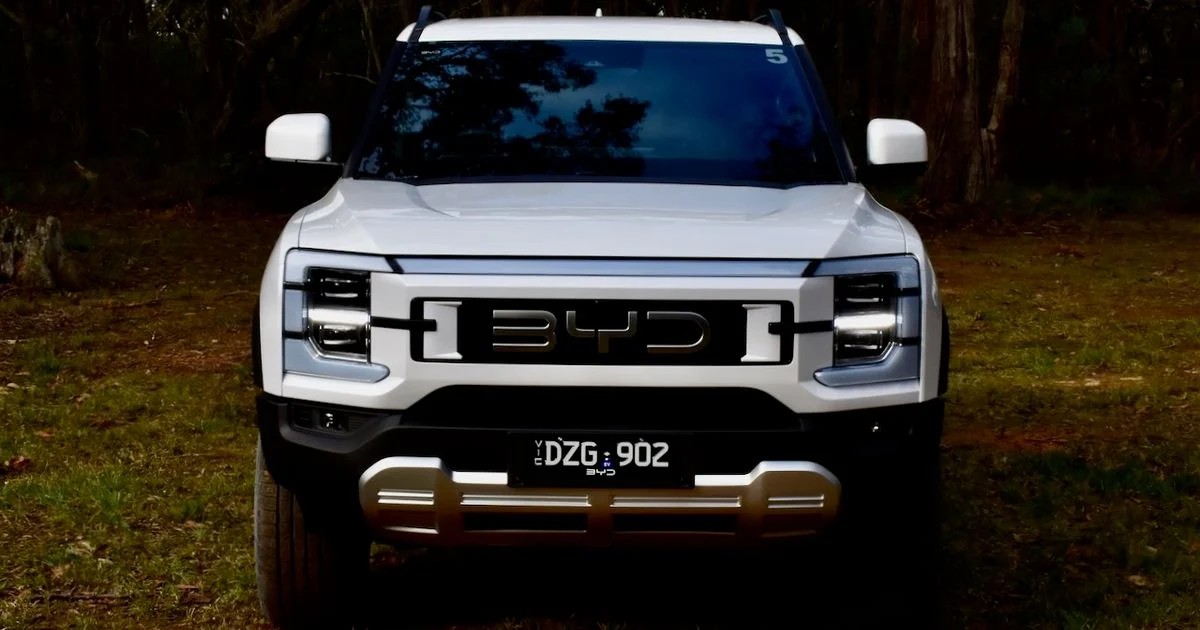
BYD is the clear market leader. They moved nearly four times as many units as second-placed Chery. That gives BYD a dominant 42.7% share of the total plug-in hybrid market. Even their premium sub-brand, Denza, cracked the top five.
Chery didn’t even sell PHEVs in Australia in the first half of 2015. Yet they’re second. Geely wasn’t selling them then, either, and they finished fourth.
GWM took third place with 5,242 deliveries. That’s a 278.5% increase year-on-year. The brand is fleshing out its lineup aggressively. It’s working.
Which plug-in hybrid SUV is the top seller?
You might expect sedans to lead the charge. You’d be wrong.
The best-selling PHEVs in Australia are SUVs.
BYD took the top three podium spots with its SUVs. The Sealion 8 (large SUV) and Sealion 6 (mid-size SUV) led the pack.
Wait.
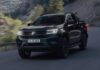
The Shark 6 ute actually took the top spot, beating the Sealion 8. It’s Australia. Of course the ute won.
The only non-Chinese brand in the top ten is Mitsubishi. The Outlander PHEV is still relevant. It was the first plug-in hybrid SUV ever sold in Australia, and it refuses to disappear.
Most vehicles on this list are strictly PHEVs or hybrids. The only non-SUV, non-ute model in the top ten is the BYD Seal. It’s a mid-size sedan and wagon that recently launched. It sat in 30th place with just 249 deliveries.
“The best-selling PHEV that’s neither an SUV nor a ute is the BYD Seal 6… in 30th place.”
What this means for buyers
The landscape has changed overnight.
Three years ago, buying a PHEV meant picking up a Mitsubishi or maybe a Toyota. Today, BYD owns the category. They control the top three models. They control the volume.
For consumers, this raises questions. Why is BYD winning? It’s likely a combination of pricing power and rapid model iteration. They have more options in more segments.
Conventional hybrids still hold double the market share of PHEVs. But the trajectory is clear. Plug-ins are eating into that territory. Fast.