Alpine is not going anywhere. Not yet anyway.
Renault Group isn’t selling its Formula 1 team to the highest bidder or walking away from the circus. They’re keeping control.
“We will stay in F1,” François Provost, Renault’s CEO, made it plain. “We want to grow step by step.”
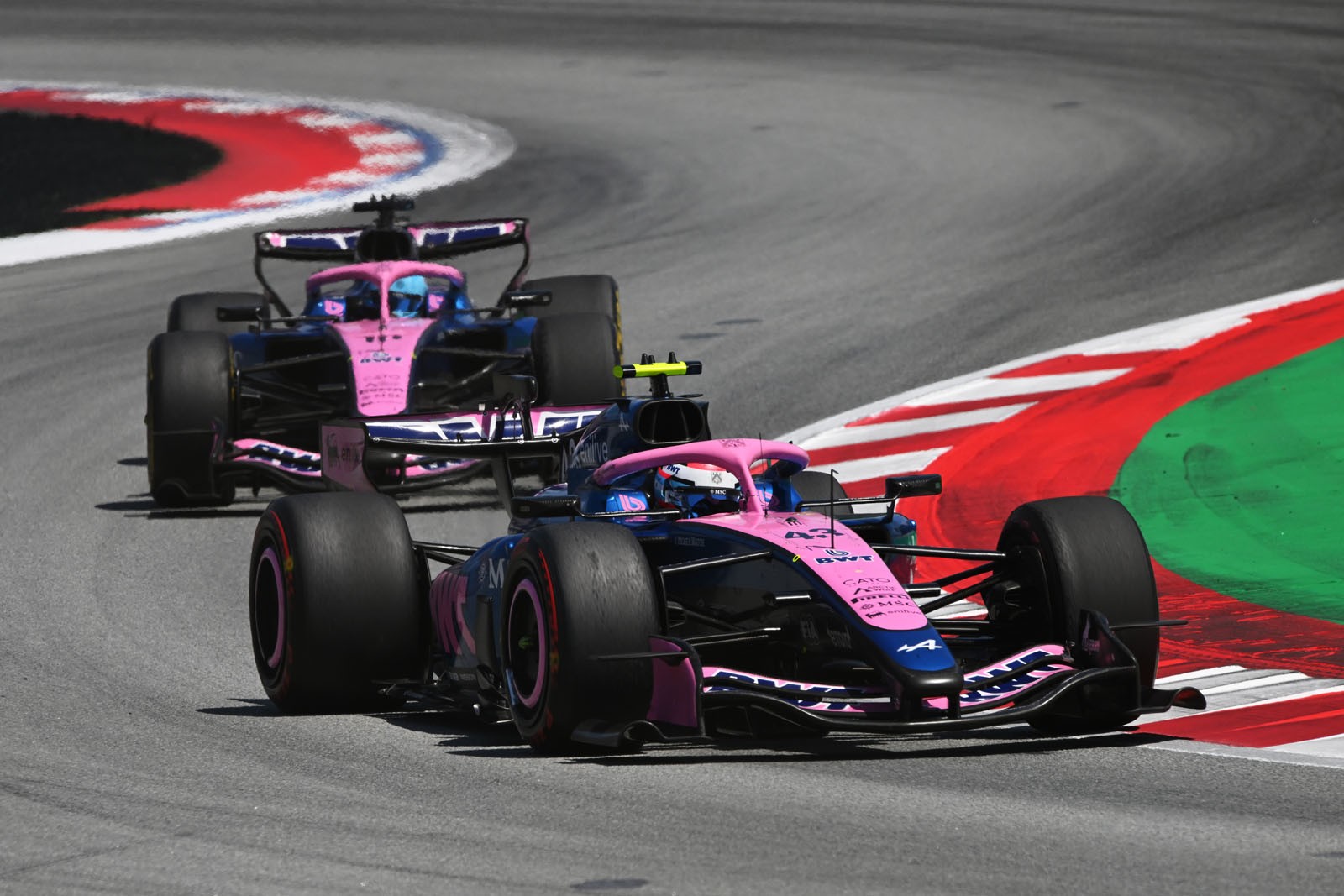
The team based in Enstone has morphed enough to make a caterpillar jealous. It started as Renault. Then Alpine. Now it’s buying power units from Mercedes, not making its own.
And starting next season? The name changes again. Gucci is buying title sponsorship. And throwing in some investment too.
It’s not just a logo on the sidepod. This is serious money. Serious visibility.
The Rumor Mill Never Sleeps
People think everyone is circling the pit lane looking for a slice. Or the whole cake.
Mercedes is whispering in the right ears. BYD wants a look. Toto Wolff has interests. Even Christian Horner has been mentioned. It feels like every mogul in automotive wants a piece of the sport’s biggest stage.
Provost wasn’t swayed by the gossip. Or the pressure.
He admits the operational side needs work. Hard work. “It must improve,” he says, straight out. No fluff.
But the car is going faster. He noticed.
“We shook up the team… not in an overly orderly manner. You see the performance getting better.”
Is it perfect? No. Did he say he expects instant glory? Nope. “I’m humble,” Provost insists. “It will take time.”
Time they clearly plan to spend at Enstone. Not at some boardroom table handing over the keys to an Italian luxury house, even if Gucci is writing the checks for the roof.
Why Bothers?
Marketing.
The Gucci deal? Provost calls it “meaningful.”
Brand awareness in F1 isn’t subtle. It’s a billboard on steroids. Gucci gets eyeballs. Alpine gets a budget boost that might finally quiet the rumors of instability.
There’s romance too. Or as much as an automotive CEO will admit to. Renault loves cars. They actually make them, remember?
Provost wouldn’t let F1 slide because “shareholders demanded efficiency” or something equally dry. He connected it back to the soul of the product.
“Grand prix racing is also important… to make its cars desirable.”
Excitement transfers. From the track to the showroom floor. Maybe that’s why they’re sticking around. To sell the dream of speed alongside the actual car.
Or maybe they just finally have the plan that works.
One thing is clear though. They’re not leaving.
And in F1? Staying the course is usually harder than quitting.
We’ll see if the check from Gucci buys speed, or just better press coverage.