July 1. That’s when the wall went up.
Malaysia changed the rules.
Specifically, the Ministry of Trade (MITI) decided it is done with budget-friendly imports. If you want to sell a Completely Built-Up electric car in Malaysia starting next year, you need two things.
First. Your landed cost (CIF value) must be at least 200,004000000.
Second. Your motor has to punch 180 kW. Roughly 240 hp.
Sounds reasonable.
But do the math. That 200,00-ringgit floor doesn’t include tax, logistics, or profit. By the time the car sits in a showroom, the price tag climbs sharply higher. For Chinese brands built on volume and affordability? It’s a headache.
Who Got Left in the Rain?
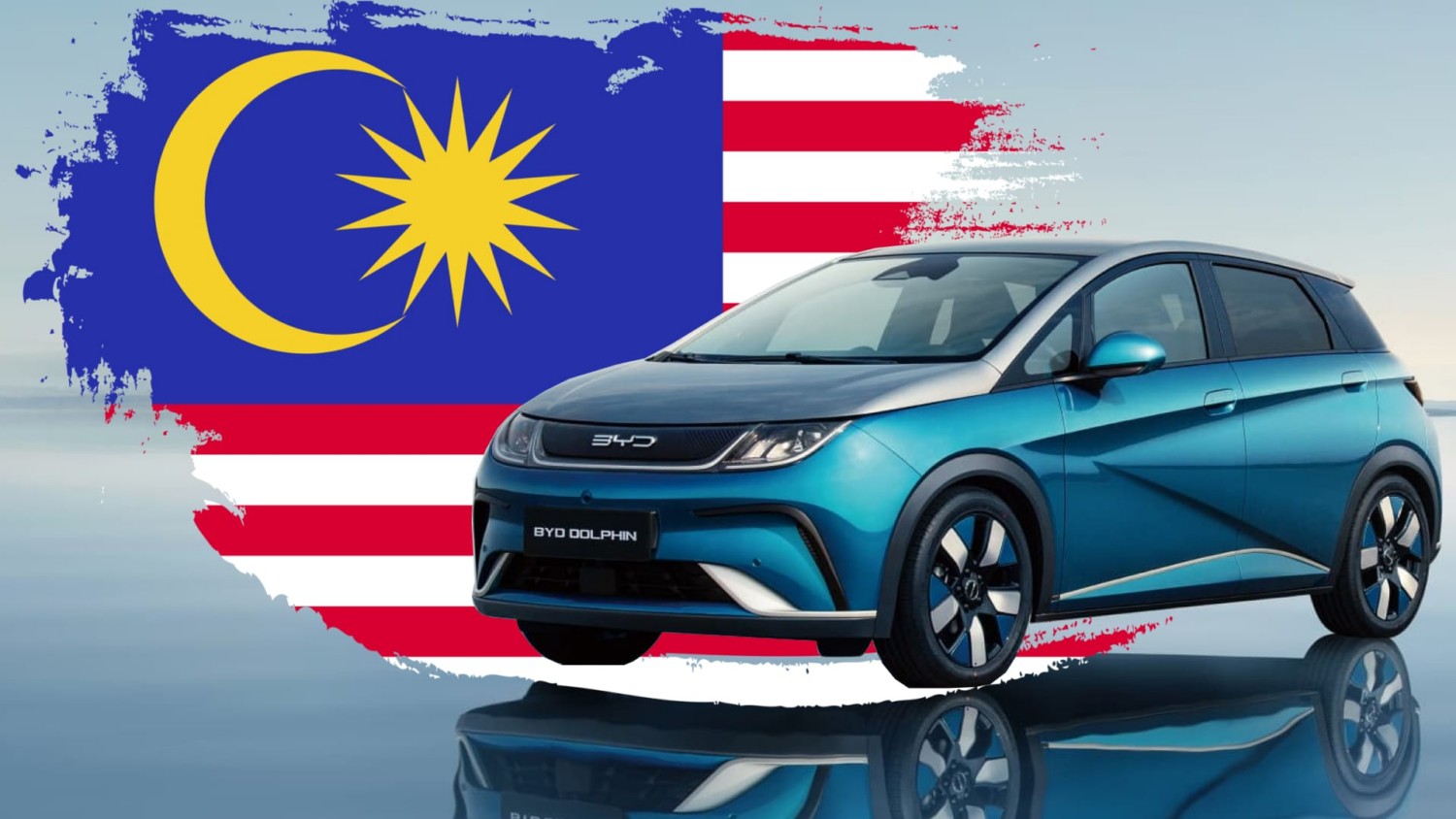
Take BYD.
They’ve been aggressive here. In 2024 alone, Chinese brands grabbed 60 percent of the new energy market share. But BYD’s current lineup? It’s entirely priced below that 200k ringgit threshold. The Dolphin? Too weak, too cheap. Entry-level Atto 3? Also ineligible. Even the Zeekr 7x and Chery Omoda e5 can’t get through the door anymore.
The door doesn’t slam shut though.
Some Chinese players have already localised production, which offers a back door.
Leapmotor, for instance, started assembling its C10 model in Kedah back in June 2024. They’re using Stellantis facilities. Xpeng? Same trick. Partnered with EPMB for the G6. Since they are riding on existing infrastructure, they escape the worst of the export rules.
The Export Trap
Want to build your own factory instead?
Go ahead. But MITI added a poison pill for new plants approved after September 2024. You can keep just 20% of what you make.
80% must leave the country.
And it has to be built right. Welding. Painting. Assembly. All on Malaysian soil. The government calls this fostering a high-quality ecosystem, akin to how Proton or Perodua were nurtured.
BYD, however, is reportedly freezing its plans for a massive CKD plant in Perak. The facility was supposed to span 600,00 square metres.
The problem isn’t the space.
It is the export quota. Analysts point out the obvious. BYD already churns out cars in Thailand and Indonesia. Diverting nearly four-fifths of Malaysian output abroad? Logistical nonsense. The numbers don’t work.
Is It Working?
The government argues it is.
“This creates technology transfer.”
“This builds supply chains.”
“This is the Proton model.”
Fair enough. Except BYD might just walk away. And with their entry-level models banned from import and their local factory on ice, who buys the affordable EV now?
The market shrinks. Or prices inflate.
Maybe both.