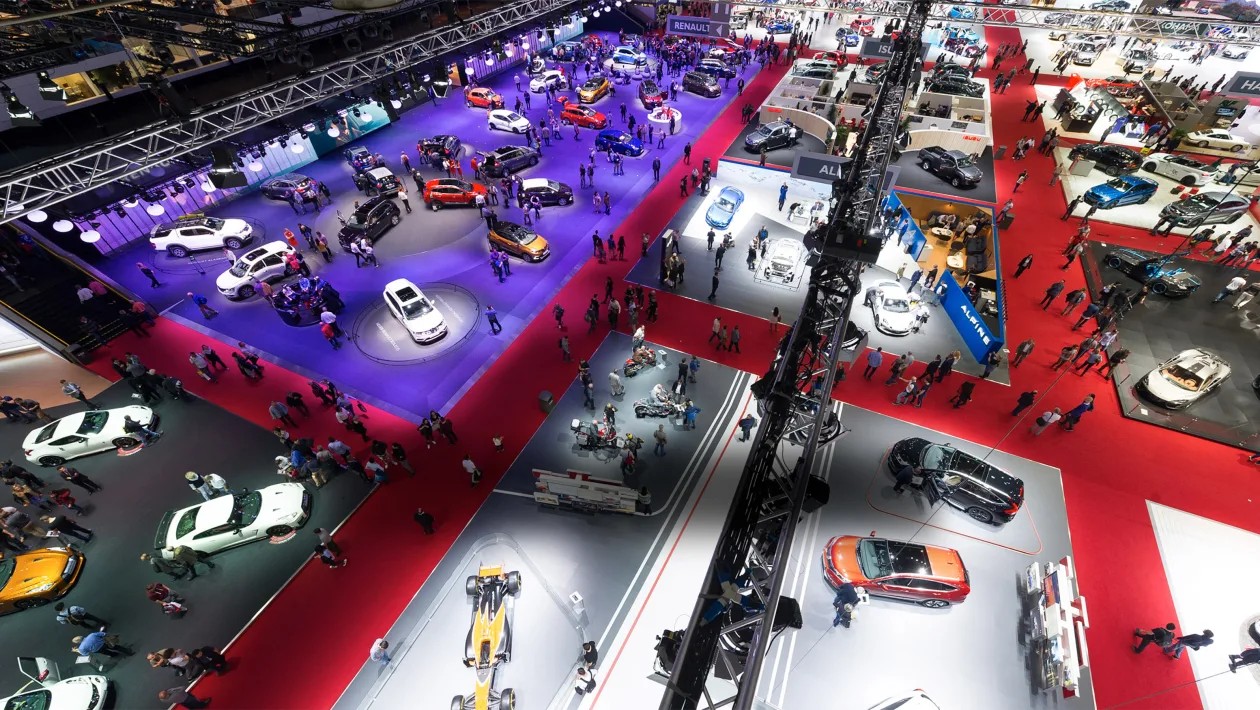
The biennial Auto China (Beijing Auto Show) has returned, marking a massive turning point for the automotive industry. After facing delays due to the pandemic, this year’s event is larger than ever, featuring 1,451 vehicles.
While many debuts are tailored specifically for the Chinese market, the show serves as a global barometer. From established luxury giants like BMW and Land Rover to rising Chinese powerhouses like BYD and Zeekr, the models showcased here will soon dictate what drivers in Europe and the UK can expect to see on their roads.
⚡ The Rise of the Chinese Powerhouses
The most significant trend at this show is the sheer scale and technological sophistication of Chinese manufacturers. They are no longer just competing on price; they are competing on extreme performance and massive battery technology.
BYD and its Sub-brands
BYD continues to dominate the EV conversation with several high-profile reveals:
– The Great Tang: A massive seven-seat SUV featuring a 130kWh “second-generation” blade battery, boasting a range of up to 590 miles (CLTC).
– Seal 8: A flagship saloon designed for ultra-fast charging (one megawatt) and a 1,000km range.
– Denza Z: A high-performance sub-brand offering a 1,000bhp supercar that is already slated for a European debut at the Goodwood Festival of Speed.
– Fangchengbao: A brand focused on high-end performance, showcasing the Formula X (a neon-green road-legal sports concept) and the Formula S series, which promises upwards of 1,000bhp.
Zeekr & IM
- Zeekr 8X: A plug-in hybrid that defies expectations with a tri-motor setup producing a staggering 1,362bhp, capable of hitting 0-62mph in under three seconds.
- IM LS8: A massive SUV from the SAIC-owned brand that utilizes 800v architecture and four-wheel steer-by-wire technology.
🇩🇪 European Luxury Adapts to the East
Established German brands are pivoting their strategies to remain relevant in the world’s largest EV market, often creating models specifically designed for Chinese consumer preferences.
BMW
BMW is showcasing a heavily updated 7 Series featuring “Neue Klasse” design cues and an advanced interior with the new Panoramic Vision system. Notably, BMW is also introducing long-wheelbase (LWB) versions of the iX3 and i3. These models include features like heated rear seats and recessed mechanical door handles—a clever design pivot in response to local regulations regarding flush-fitting electric handles.
AUDI (China-specific)
Not to be confused with the standard Audi brand, “AUDI” is a specialized Chinese venture. The brand is expanding its premium EV lineup with the E7X, a high-performance SUV offering over 466 miles of range and a 0-62mph time of just 3.9 seconds.
🌏 Global Players: Hyundai, Nissan, and Smart
The show also highlights how global brands are diversifying their portfolios through sub-brands and specialized concepts.
- Hyundai: The brand is evolving its Ioniq nameplate into a dedicated sub-brand. The Ioniq V concept stands out with a massive 27-inch dashboard screen, signaling a shift toward high-tech, screen-centric interiors.
- Nissan: The NX8 electric SUV focuses on “wellness” rather than raw speed, featuring NASA-inspired “zero gravity” seats and sophisticated electronic dampers for maximum comfort.
- Smart: The Concept #2 provides a glimpse at the future of the brand—a small, all-electric city car built on a new “Electric Compact Architecture” that will be available globally, including the UK.
🛠️ Strategic Shifts: Joint Ventures and New Marques
The Beijing Auto Show reveals a shifting landscape of ownership and branding:
– Jaguar Land Rover (JLR): The Freelander name is returning, but not as a Land Rover model. It will exist as a standalone brand through a joint venture with Chery.
– Lepas & Omoda: Both are part of the Chery Group’s aggressive expansion, with the Lepas L4 plug-in hybrid SUV expected to make a significant impact in international markets.
– Luxeed: Owned by Huawei, this brand is leveraging smartphone-level technology to create high-tech MPVs, such as the V9, which features advanced airbag systems designed to prevent whiplash.
Summary: The Beijing Auto Show 2026 highlights a global industry in transition, where Chinese brands are leading the charge in extreme EV performance and high-tech integration, while traditional European manufacturers are redesigning their flagship models to meet the specific demands of the Chinese market.