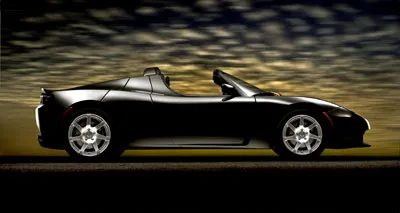

It started it all. The first Tesla Roadster wasn’t just an electric car. It was a proof of concept that wrapped in a fiberglass body. It proved you could have speed without a gas tank. This was before Model 3. Before Model S. Just pure, raw electric torque.
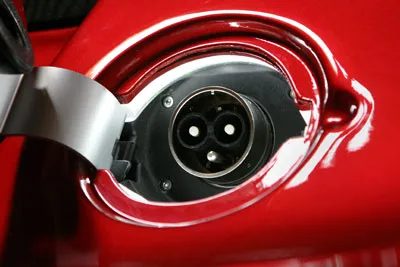
Recharging wasn’t a mystery back then. You didn’t need a supercharger network yet. You had two simple options.
Powering Up the Legacy
Most owners used a home charging station. It was faster. It was convenient. It let you wake up to a full battery. But the roadster was also designed for the real world. You could plug it into a standard electrical outlet.
Yes, a regular wall plug.
It took longer. Much longer. But it worked. This flexibility was key to its appeal. Early adopters weren’t waiting for infrastructure. They built it themselves or used what they had.
The battery pack was massive for its time. It used lithium-ion cells. Not the prismatic ones you see today. Cylindrical cells. Packed tight. The range was around 245 miles on a full charge. That was huge in 2008.
Behind the Wheel
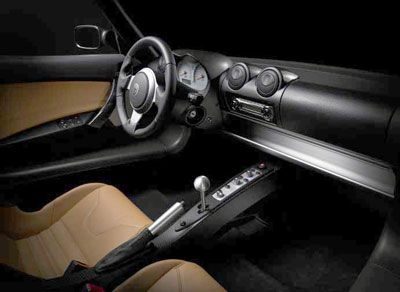
The interior wasn’t luxurious. Not by modern standards. It was sparse. Functional. The dashboard was simple. Analog gauges mixed with digital displays. It felt like driving a race car. Not a luxury sedan.
The seats were bucket-style. Tight fit. You felt connected to the road. The steering wheel was thick. Good grip. No power adjustments. You moved the seat manually. You adjusted the mirrors by hand.
This simplicity was intentional. It kept the weight down. It kept the focus on driving.
Why It Matters Today
Looking back, the first roadster changed everything. It showed the world that electric cars could be desirable. Not just practical. Desirable.
The acceleration was brutal. Zero to sixty in under four seconds. At that time, it beat most supercars. Ferrari couldn’t match it for price. Porsche couldn’t match it for efficiency.
It paved the way for everything that followed. The Model S. The Model 3. The Cybertruck.
Without this car, Tesla might have folded. Or stayed a niche player. Instead, it became the leader.
The Charging Reality Check
Let’s be clear. Plugging into a standard outlet wasn’t ideal. It took about 24 hours for a full charge. You needed to plan ahead. If you forgot to plug in, you were stranded.
The home charging station cut that time to about 8 hours. Still slow by today’s standards. But enough for daily driving.
The real innovation wasn’t just the battery. It was the software. Tesla managed the battery temperature. It balanced the cells. It predicted range based on driving style. This software intelligence made the car smarter than many gas cars of the era.
A Glimpse Inside
Step inside. The center console was minimal. Just a screen. A gear selector. A few buttons. No clutter. No complex menus. The screen showed your speed. Your range. Your power flow.
It was clean. Intentional. Every button had a purpose.
The materials were decent. Leather seats. Aluminum trim. But


The Tesla Roadster’s Surprising Speed Stats
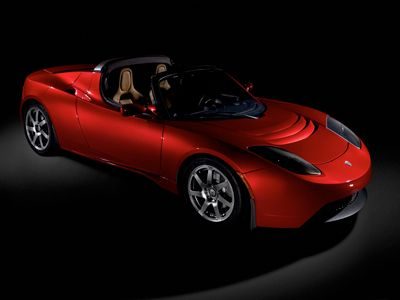
The Tesla Roadster looks and feels like a sports car. It comes standard with a soft top. How fast is this electric car?
The Tesla Roadster can accelerate from zero to 60 in 4 seconds and has a top speed of over 130 mph. The next car is a micro electric car made for the city.


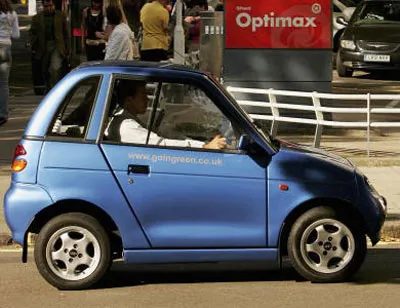

The Reva G-Wiz wasn’t just another electric car. It was the electric car for a brief, chaotic moment in London’s history. Manufactured in India by REVA Electric Car Company, this zero-emission hatchback became England’s best-selling EV before Tesla even had a sedan.
Look at the image. There it is. A tiny, boxy little electric automobile cruising past a petrol station in London. The irony is thick enough to cut with a knife. A gas station, empty or full, stands as a monument to an obsolete fuel source while the G-Wiz zips by, silent and smog-free.
This wasn’t an accident. It was policy.
How London’s ULEZ Policy Made the G-Wiz King
Why did a cheap, slow Indian EV become so popular in one of the world’s most congested cities? The answer isn’t performance. It’s economics.
London introduced its Congestion Charge in 2003. Then came the Ultra Low Emission Zone (ULEZ) expansions. The G-Wiz qualified for exemptions. It cost almost nothing to run inside the zone. That’s it.
Drivers didn’t buy it for the 0-60 mph time. They bought it because it kept them out of trouble with the council. It was a loophole carved out in steel and plastic.
The Specs (Or Lack Thereof)
Let’s be real about what you’re looking at.
- Top Speed: 50 mph.
- Range: 50-60 miles on a charge.
- Battery: Nickel-cadmium or later, lead-acid.
- Power: 11 kW motor.
It’s not fast. It’s not powerful. It’s a city car for city problems. The interior is sparse. The ride is stiff. But it moved.
Compare that to today’s EVs. We’re used to instant torque and triple-digit ranges. The G-Wiz had neither. It had necessity.
The Shadow of Dodge
Speaking of EVs, if you want to see what could have been, look at Dodge’s electric concept car.
The G-Wiz was the reality of early EV adoption: practical, limited, and policy-driven. Dodge’s concept? Pure fantasy. Muscle cars with electric powertrains. V8 sounds simulated by speakers. It’s the opposite of the G-Wiz’s utilitarian charm.
One was born from traffic fines. The other from marketing departments dreaming of torque curves.
Where Do They Go Now?
Most G-Wizs are gone. Scrapped. Repurposed. Or sitting in garages, forgotten.
But in that photo, it’s alive. It’s driving past a gas station. A symbol of transition.
We think electric cars are about range anxiety and charging infrastructure. The G-Wiz tells a different story. It’s about urban planning. About rules. About how people actually use cars in dense spaces.
Next up? Dodge’s electric concept. Because sometimes you need to dream big.
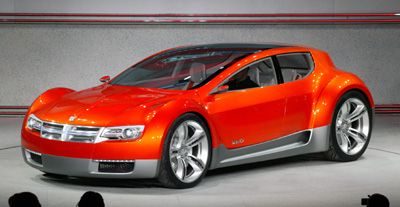

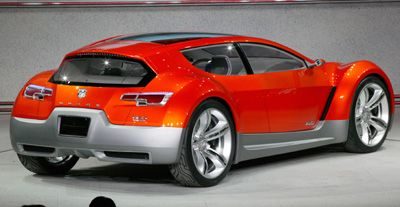
The Reality of Zero Emissions Operations
Dodge didn’t just slap a battery in a chassis and call it a day. The Zeo was engineered with a specific mandate: define the brand’s electric future. The acronym says it all—ZEO stands for Zero Emissions Operations. It wasn’t a concept to sit on a shelf. It was a promise of what came next.
Range Anxiety? Not Here.
Let’s get to the numbers. That’s what matters when you’re looking at an EV. Dodge claims the Zeo can push nearly 250 miles on a single charge. That’s not a theoretical lab number. It’s a practical figure for daily driving. Commuting? Easy. Weekend road trip to the coast? Plausible. You aren’t tied to a gas station every few hours.
“Dodge claims the Zeo has the ability to travel almost 250 miles on a single charge.”
This range changes the math. You stop thinking about fuel stops. You start thinking about where you want to eat. Or nap. The flexibility is the point.
Inside the Cockpit
The exterior gets the headlines. But the interior tells the real story. Step inside. It’s not just a steering wheel and a screen. The materials. The layout. Every button. Every vent. Designed for the driver who wants performance without sacrificing comfort. The Zeo isn’t a spaceship. It’s a car. A Dodge.
The next image shows exactly what you’re looking at. No hidden tricks. Just clean lines and functional design. You sit low. You feel connected to the road. Even if the road is silent.
Why It Matters
This isn’t just about going green. It’s about keeping the soul of a sports car alive in an electric age. The Zeo proves you don’t need to compromise. You get the range. You get the style. You get the performance. The future wasn’t borrowed. It was built. And it starts here.
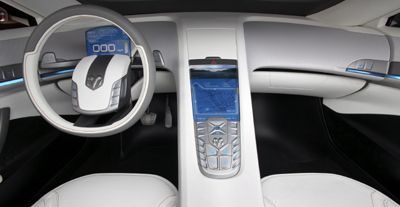

The Dodge Zeo Concept doesn’t just look fast. It feels like a cockpit designed for a pilot, not a driver. You don’t sit in this car. You occupy it.
Five electric motors power the chassis. That’s not a typo. Five. Each wheel gets its own motor. Plus two more front-mounted units handle steering and suspension duties. It’s overkill in the best possible way. The interior strips away the clutter. No bulky center console. No redundant switches. Just a single, sweeping touchscreen that dominates the dash. The seats are bucket-style, wrapped in sustainable materials that feel more like high-end furniture than car upholstery.
The Zeo proves that electric powertrains don’t have to look sterile.
It’s minimalist, sure. But it’s not empty. Every surface has a purpose. The steering wheel is a flat-bottomed yoke. The pedals are lightweight aluminum. You get the sense that Dodge spent less time on aesthetics and more time on integration. The result? A cabin that breathes.
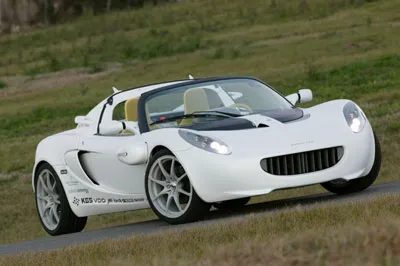
The Lotus Elise Goes Deep
Then there’s the Rinspeed sQuba. This thing is a Lotus Elise on the surface. That’s where the similarities end. The body is fiberglass, light and stiff. But underneath? It’s built for a different element.
The sQuba isn’t just for roads. It’s for lakes, too. Real lakes. The Elise platform makes it easy. Light weight. Low center of gravity. But Rinspeed swapped the exhaust for water jets. The battery pack sits lower than usual. Center of gravity drops even further.

Check out the next image to see this Elise-based concept submerge.
It’s not a submarine. Not really. It’s a amphibious sports car. You drive it on asphalt. You drop it into the water. You engage the thrusters. The steering wheel locks. The windshield stays sealed. You’re underwater.
The Lotus chassis handles the transition well. No sudden shifts. No dramatic weight changes. The electric motors switch modes seamlessly. One minute you’re carving a turn on a coastal highway. The next, you’re hovering three meters down, watching fish swim past the side windows.
Why These Concepts Matter Now
We’re used to hearing about electric cars. We’re tired of hearing about range anxiety and charging infrastructure. But these two concepts? They’re about something else.
The Zeo shows us what happens when you remove the internal combustion engine entirely. No compromises. No packaging restrictions. The interior is a blank canvas.
The sQuba reminds us that cars don’t have to stay on roads. The Elise is already a driver’s car. Adding waterproofing doesn’t ruin it. It expands it.
Which approach is better? The Zeo’s tech-heavy interior? Or the sQuba’s physical versatility?
Maybe the answer is neither. Maybe it’s both. The future of driving isn’t just about getting from A to B faster. It’s about redefining what a car can be. The Zeo redefines the cabin. The sQuba redefines the terrain.
You don’t need to buy either of these to appreciate them. They’re
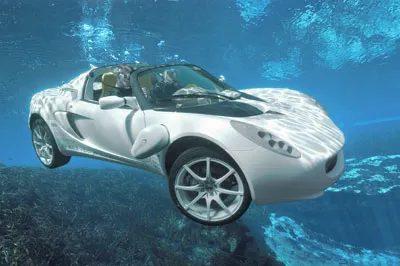
The sQuba isn’t just a concept car with a wet dream attached. It is a fully functional, amphibious vehicle that actually goes underwater. Developed by Swiss design studio Rinspeed, the project started as a sketch in 2008 and evolved into a working prototype by 2012. It was based on the Audi e-tron, but that’s where the stock car ends. The sQuba strips out the combustion engine, the exhaust, and the fuel tank. In their place sits a battery pack and electric motors.
Why electric? Because internal combustion engines can’t survive underwater. Intake air turns into a hydrolock disaster. Electric motors don’t care about oxygen. They just need power. The sQuba carries its own compressed air tanks. These feed into the cabin to provide breathable air for the driver. You’re not just swimming; you’re breathing.
How the sQuba Submerges
Getting underwater isn’t magic. It’s plumbing and physics. The car has retractable pontoons. When you want to dive, those pontoons extend. They act as ballast. As the pontoons deploy, the car’s center of gravity shifts. Water floods into specially designed cavities. The car sinks.
Once submerged, the pontoons retract. This reduces drag. The vehicle becomes sleek. Hydrodynamic. It moves differently. The electric motors drive the wheels, but underwater, the wheels act like thrusters. You steer using differential thrust. Spin one wheel faster than the other to turn. It’s simple. It’s effective.
“The sQuba doesn’t just float. It drives.”
Power and Depth
The battery is the heart of the beast. It’s a high-voltage lithium-ion pack. It powers the electric motors. The range underwater is limited. You’re not crossing oceans. You’re hovering near reefs. The top speed underwater is about 6 kilometers per hour. That’s slow. But it’s enough to explore. The maximum depth is 10 meters. Deep enough to see the bottom of a lake. Not deep enough to crush you.
On land, it’s different. The sQuba can hit 120 kilometers per hour. It’s a fast car. But the weight of the battery and the air tanks eats into the range. Land range is about 100 kilometers. You won’t be driving from Zurich to Bern without charging. But who cares? You’re supposed to be swimming.
The Cockpit Experience
Inside, it’s cramped. Two seats. Tight. The dashboard is minimal. You don’t need a tachometer. You need a depth gauge. And an air supply monitor. The windows are thick. Reinforced. You can see out. The water distorts light. It’s eerie. Quiet. The only sound is the hum of the motors. And your own breathing.
The air tanks last for about an hour. That’s your window. Dive in. Look around. Come up. If you stay too long, the air runs out. The system alerts you. A light flashes. A buzzer sounds. You ascend. It’s not a fun-and-games pool toy. It’s a serious piece of engineering.
Why It Matters
Most car companies are stuck in the “bigger, faster, more screens