You cross a state line. The scenery changes. The rules of the road change too.
It’s on you to know them.
Most drivers assume speed limits are universal guidelines. They aren’t. States write their own codes. And some states are cracking down hard. The financial stakes are rising. The risk is real.
Speed kills. In 2016, it was a factor in 27% of fatal crashes. That’s according to WalletHub. Speeding also costs billions. The National Highway Traffic Safety Administration estimates speed-related crashes add up to $40.4 billion annually. Your gas mileage drops. Your insurance premiums climb.
But there’s a more immediate threat than efficiency.
Some states treat traffic tickets as revenue sources. Fines are steep. Fees are layered. One wrong move in these jurisdictions can cost you thousands.
Here are the states where strictest speed laws mean you’re paying more than just gas.
Georgia Super Speeder Law
Georgia has a specific classification for high-speed offenders. It’s called Super Speeder.
The law took effect January 1, 2010. It defines the threshold clearly. If you drive 75 mph (120 kph) or more on a two-lane road, you’re in trouble. On any other road or highway, the bar is 85 mph (136 kph) and above.
Being caught isn’t just about the local fine.
You pay the standard ticket. Then you pay a $200 flat fee to the state. That’s extra. If you don’t pay that $200 within 120 days, your license gets suspended. Getting it back costs another $50 plus all original fines.
It’s a bureaucratic trap. Miss the deadline. Lose the right to drive.
Delaware Reckless Driving Enforcement
Delaware ranks No. 8 in the nation for enforcing speed limits. WalletHub calls it the strictest state for reckless driving enforcement.
The definition is broad. It covers any driver with “willful or wanton disregard for the safety of persons or property.” It’s not strictly about numbers. It’s about attitude.
First offense?
Fine between $100 and $300. Jail time of 10 to 30 days. Or both.
Hit it again within three years?
The fine jumps to $300–$1,000. Jail time extends to 30–60 days.
The law leaves room for interpretation. And interpretations usually go against the driver.
New Jersey Racing Statute
Cross into New Jersey. Slow down.
Exceed the posted limit by 10 mph (16 kph). You might be charged with “racing on public highways.”
Sounds harsh. It is.
New Jersey Statutes Annotated 39:4-52 bans operating a motor vehicle for a wager, in a race, or to make a speed record. Police don’t need to prove you were actually racing anyone. They just need to prove you were speeding by 10 mph.
The judge has discretion. But the penalties are real. Fines scale with speed. License suspension up to 30 days. Insurance rates spike.
It’s a legacy law targeting street racing culture. But it catches casual speeders too.
Virginia Reckless Driving Threshold
Virginia doesn’t use a sliding scale for reckless driving. It uses hard lines.
Exceed 80 mph (128 kph) anywhere in the state. Or go over the posted limit by 20 mph (32 kph).
That’s it.
You don’t need to be weaving. You don’t need to be aggressive. You just need to hit those numbers. The officer cites you based on observation. The penalty follows.
Up to $2,500 in fines. Up to a year in jail. License loss for up to six months.
It’s a Class 1 misdemeanor. It stays on your record. It’s expensive. And it’s easy to trigger.
Oregon Maximum Penalties
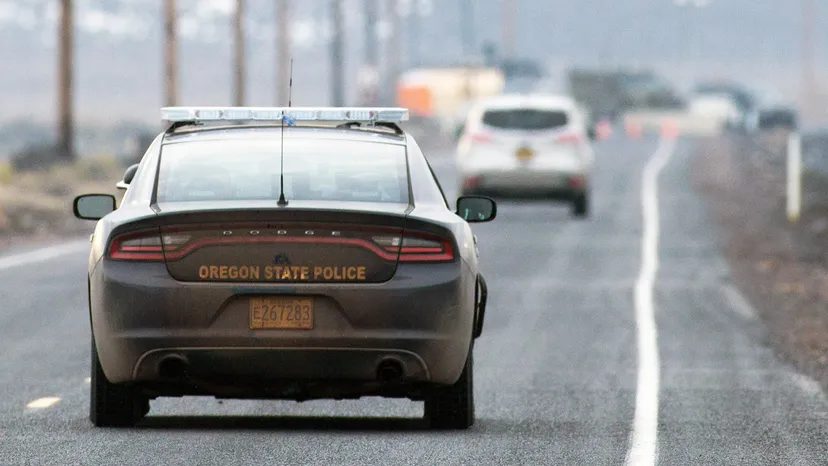
Oregon has the highest maximum fine for reckless driving.
First and second-time offenders face the same ceiling.
The definition requires awareness and conscious disregard of a substantial risk. Like Delaware, it’s subjective. But the payout if you lose is massive.
Maximum fine: $6,250.
Jail time: One year.
Probation: Five years.
That’s a five-year probation for a speeding ticket that crosses into reckless territory. The financial hit alone can wreck a budget.
The cost of driving fast in these states isn’t just a fine. It’s a financial penalty that compounds over years.
The Texas Exception
If you have a lead foot, Texas might be your sanctuary.
It’s one of the most lenient states in the lower 49. Penalties for speeding are minimal compared to the East Coast and South.
But Texas is the exception. The rest of the map is tightening.
The trend is clear. States want revenue. They want safety. And they’re willing to use the letter of the law to get both.
Knowing the limit in your current state is basic maintenance. Ignoring it is a gamble with your wallet.