
Your car hits the end of the line. It’s not pretty. Most of the metal goes to the scrap yard. Usable parts get stripped. The rest? Trashed. There is at least one component that gets a second life, though. The seatbelt.
Webbed fabric. Usually polyester or nylon. It is durable but flexible because it has to be. It needs to save your life during a crash. According to Encyclopedia Britannica, that webbed material can hold 6,000 pounds (2,722 kilograms). It is overkill for walking around town. It is designed for violence.
The material deteriorates slightly over time. Not enough to fail completely. But enough to be unsafe in a vehicle. For safety and aesthetics, seatbelts are rarely stripped from old cars for reuse in others. That doesn’t mean the material is worthless. It is still strong enough for other applications.
Innovative designers are finding new ways to recycle these high-tensile straps. Here are five ways your old seatbelt gets a new purpose.
1. From Lap Belts to Hip Accessories
The simplest use for a seatbelt is obvious. It is already a belt. You can use the buckle and lap portion to make a hip and durable accessory.
You can make this yourself. Or you can buy one. Manufacturers produce them in various styles. The process is straightforward. Cut the strap out of the car. Seal the frayed edges with a lighter to prevent unraveling. Sew the ends together using heavy-duty nylon thread. The connecting pieces of the seatbelt become the buckle.
Want to match your belt? Make some sandals. Cut up the remaining seatbelt webbing. Sew it to the soles of old flip-flops. Remove the previous straps first. The material can stand up to almost any foot traffic. It was built to withstand car crashes. Walking on pavement is easy for it.
There is a catch if you want this for the eco-friendly appeal. Be aware that many manufacturers only make some products from actual recycled seatbelts. The rest use “seatbelt material” synthesized from virgin plastics. It looks the same. It acts the same. It is not the same.
To guarantee you are buying a truly recycled product, ask the seller for info on the source of the material.
Don’t assume “eco-friendly” means “recycled.” Ask. Verify. It matters if you are actually trying to divert waste from the landfill.
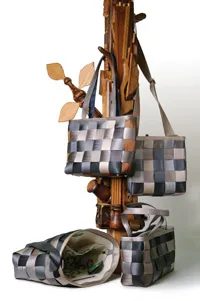
From Seatbelts to Hammocks
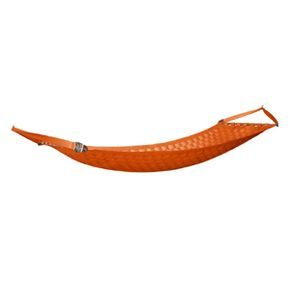
The shift from safety gear to leisure gear didn’t stop at handbags. Weaving seatbelt webbing into hammocks is another popular upcycling project. The material’s strength makes it ideal for supporting weight, while the familiar striped pattern gives each hammock a distinct, industrial look.
Unlike fabric hammocks that fray or rot with exposure to the elements, woven seatbelt material holds up remarkably well. It’s resistant to UV degradation and moisture, meaning you can leave your hammock outside without worrying about it falling apart after a few seasons. The tight weave also prevents small items from slipping through, something that plagues many traditional rope or fabric designs.
Creating a hammock requires cutting the belts into uniform lengths. Most DIY guides suggest using two or three parallel strands for the main body to ensure maximum durability. You’ll need to secure the ends with heavy-duty knots or metal clasps to prevent unraveling. The contrast between the rough, textured webbing and the smooth metal hooks adds a tactile element that pure nylon or polyester just can’t match.
“Seatbelt hammocks don’t sag over time.”
This is a common misconception. Because the material has high tensile strength and low stretch, these hammocks maintain their shape longer than their cotton or canvas counterparts. That rigidity can be a pro or a con depending on your comfort preference. Some people find the firm surface less comfortable for long naps, but for quick rests or outdoor events, the support is unmatched.
Finding old seatbelts for this project is tricky. Car manufacturers rarely sell them separately after an accident. You’ll need to source them from junkyards, auto recyclers, or online marketplaces dedicated to auto parts. Ensure the belts haven’t been pre-loaded with tension or exposed to extreme heat, which can compromise the internal fibers. Inspect the webbing for any signs of fraying or chemical damage before cutting.
The aesthetic is undeniably cool. It’s rugged, functional, and tells a story of repurposing. You aren’t just buying a hammock; you’re installing a piece of automotive history into your backyard. The process takes time, patience, and a good pair of scissors, but the result is a piece of furniture that’s practically indestructible.
It’s not for everyone. If you want something soft and plush, stick to traditional fabrics. But if you appreciate materials that have a history, the seatbelt hammock offers a unique blend of grit and comfort. It’s a conversation starter at any gathering.
The Weaving Challenge
Getting seatbelts into a hammock shape isn’t as simple as tying knots. You weave them into large, continuous sheets. The result is a sling that cradles your body rather than conforming to it like a traditional rope hammock does. It’s a structural difference that matters.
Availability is the first hurdle. Finding enough recycled material to build a full-sized hammock is tough. Designers like Inghua Ting sidestep this by sourcing end of the line material. This is belt fabric from vehicles that are no longer in production or have undergone major design changes. It’s also where you find rejected belts—ones with minor weaving flaws or color mismatches. They aren’t safe for car crashes, but they are tough enough for a backyard nap.
This is a serious DIY undertaking. It’s far more complex than most weekend projects. You need to learn weaving from a pro. An improperly woven hammock isn’t just useless; it’s a safety hazard. The material is flexible. It shifts under weight. You need a structure that accounts for that movement, not just a flat webbed surface.
4. Pillows and Cushions
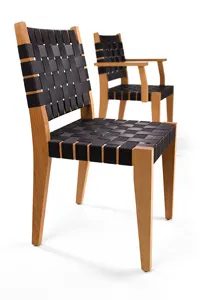
Pillows and cushions aren’t just for bedding. You can weave them from recycled or end-of-line seatbelts. The material is tough. It handles indoor and outdoor use without falling apart.
Furniture That Lasts
Seat cushions for chairs can be covered or re-covered using seatbelts. The aesthetic is industrial. The durability is unmatched.
Nuttapong Charoenkitivarakon of Boonchucharoenkit in Thailand uses scrap seatbelt material for his lounge chairs. The look is raw. The function is solid.
Peter Danko designs dining chairs using end-of-line or discontinued seatbelt material. These chairs belong in homes and high-traffic areas like restaurants and malls. They survive wear better than standard upholstery.
DIY Repair Projects
Aluminum chairs in your garage often have frayed webbing. Don’t throw them away.
Head to the local junkyard for seatbelt material. It’s cheap and strong.
Cut the old straps from your lawn chair. Wrap the seatbelt material in its place. Use strong nylon thread. Add screws to hold the material safely in place. The chair becomes a hybrid of metal and woven nylon. It looks purposeful. It stays functional.
Making a Seatbelt Pillow
An alternative DIY project is a pillow made from seatbelt material.
The process is similar to constructing a purse. Weave the material around a block the size of the pillow you want. Stuff it. Sew it shut with heavy nylon thread.
The result is a cushion that feels like armor. It doesn’t flatten out. It holds its shape.
“Artists who create such pieces can use environmentally friendly material like recycled seatbelts. They don’t need to be as thoroughly cleaned like it would be if the material was being used for a pillow.”
Woven Seatbelt Art
Woven seatbelts stretch across recycled canvas frames to create modern art pieces. The webbing comes from seatbelts with varying degrees of wear and tear.
This variety adds visual interest. A square piece of art can be as small or as large as the artist desires.
Frames can be constructed from sustainable sources like bamboo or reclaimed wood. This enhances the green appeal. The contrast between rough nylon and natural wood works well.
The material doesn’t need thorough cleaning for art. Dirt adds character. For pillows or clothing, you need pristine belts. For frames, grit is fine.
Cleaning Seatbelt Material
Junkyard belts are often dirty. You can’t use them for a purse or pillow without washing them.
Soak them in hot soapy water. Spray with a household cleaner.
Use a stiff-bristled brush. Brush with the grain of the material. Go with the weave. Against the grain, you might pull fibers loose.
Hang the belts to dry. Start the project only when they are completely dry. Moisture leads to mold. Mold ruins the nylon.
Why This Matters
We are used to seeing seatbelts as safety gear. We rip them out of totaled cars and toss them. They are strong. They are designed to hold life under extreme force.
Using them for furniture or art repurposes that strength. It keeps nylon out of landfills. It creates pieces that outlast typical decor.
The junkyard is a resource. The garage chair is a project. The old belt is a material waiting to be woven into something new.