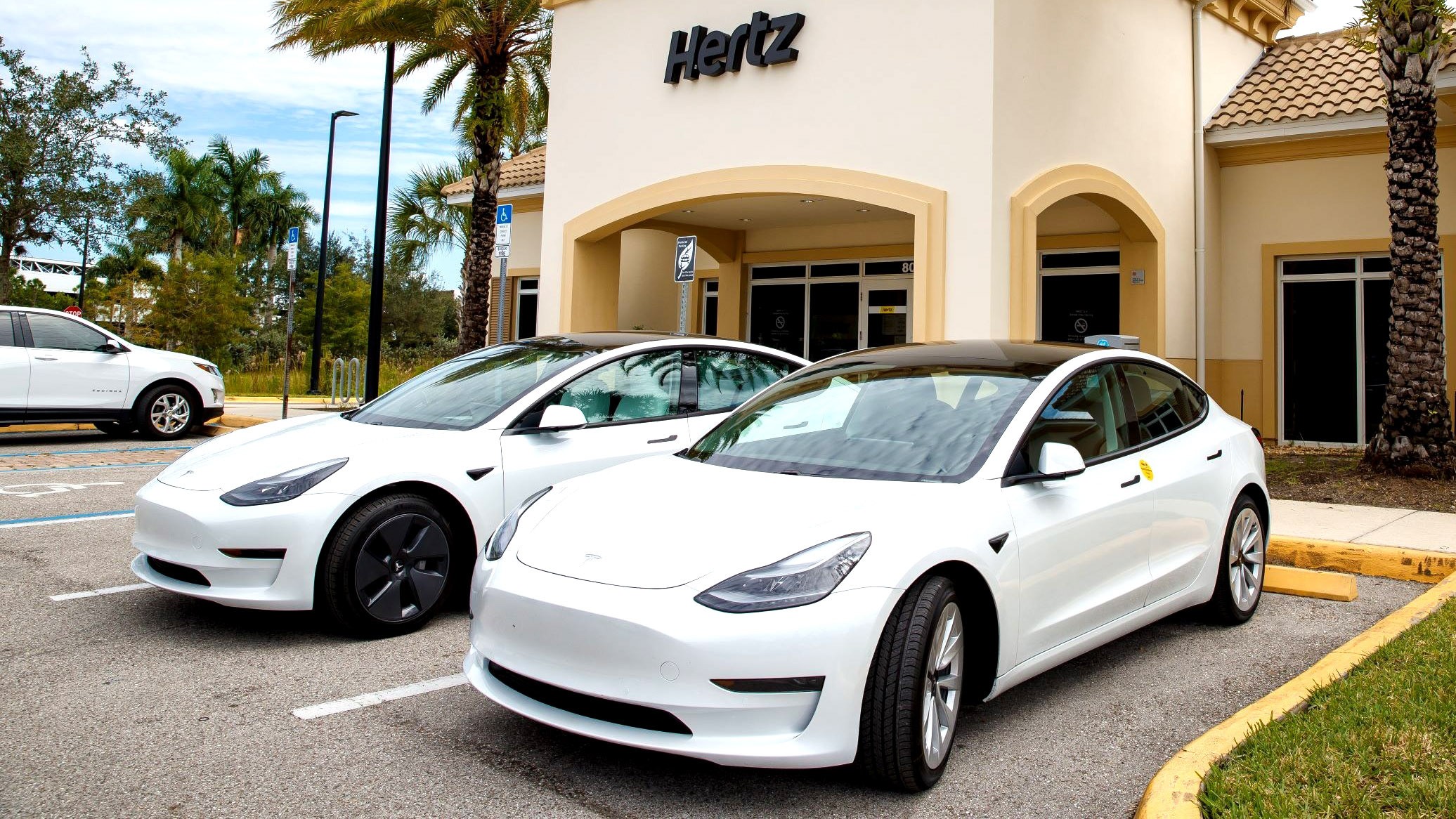
While the American consumer may be hesitant to commit to owning an electric vehicle (EV), they are increasingly willing to rent them. A significant shift is occurring in the rental market, driven by a sharp rise in fuel costs and a growing desire for more economical travel.
The Rental Paradox: High Demand Amidst Fleet Reductions
In a striking contradiction, rental companies are seeing a surge in EV interest even as major players scale back their electric offerings. Hertz, which recently removed 30,000 electric vehicles from its fleet due to skyrocketing repair costs, reported a 25% increase in EV reservation requests in March compared to February.
This demand is particularly concentrated on the West Coast, where high fuel prices and a more established EV culture create a perfect storm for electric mobility.
The trend is mirrored in the peer-to-peer rental sector:
– Turo reported an 11% rise in EV bookings during the final three weeks of March.
– On March 31—the day average U.S. gas prices surpassed $4 per gallon for the first time since 2022—EV reservations spiked by 47% compared to the same date last year.
The Economics of the “Fuel Gap”
The primary driver behind this shift is the widening price gap between gasoline and electricity. For high-mileage drivers, such as rideshare operators, the math is becoming impossible to ignore.
For a driver covering significant distances, a full charge might cost between $10 and $20, whereas refueling a traditional combustion engine vehicle can cost upwards of $60.
This economic incentive is being amplified by volatility in the global energy market. Disruptions near the Strait of Hormuz —a critical artery for global oil shipments—have fueled supply concerns, causing U.S. pump prices to rise by more than a third since late February.
A Tale of Two Markets: Ownership vs. Usage
There is a widening disconnect between what Americans are buying and what they are renting. While the rental market is pivoting toward electric, the new car market is struggling:
- EV Sales Decline: New EV sales in the U.S. dropped by 25% in March compared to the previous year, partly due to the loss of federal tax credits.
- The “Commitment Barrier”: Purchasing a new car is a massive, long-term financial commitment. When gas prices spike, consumers often lack the capital or the confidence to switch vehicles entirely.
- The Rental Solution: Renting offers a “low-stakes” way to hedge against inflation. It allows drivers to access the fuel savings of an EV without the long-term risks of ownership, such as high depreciation or expensive repairs.
Current Fuel Price Snapshot
The rising cost of traditional fuel is hitting different regions and fuel types with varying intensity:
| Fuel Type | National Average | California Average |
|---|---|---|
| Regular Gas | ~$4.09 | ~$5.85 |
| Diesel | ~$5.47 | ~$7.49 |
Note: Prices reflect recent shifts following the spike in global oil volatility.
Conclusion
The surge in EV rentals suggests that while Americans are not yet ready to own electric cars, they are pragmatically using them to escape the volatility of the gas pump. If high fuel costs persist, this “rental bridge” may eventually provide the momentum needed to jumpstart the broader EV sales market.