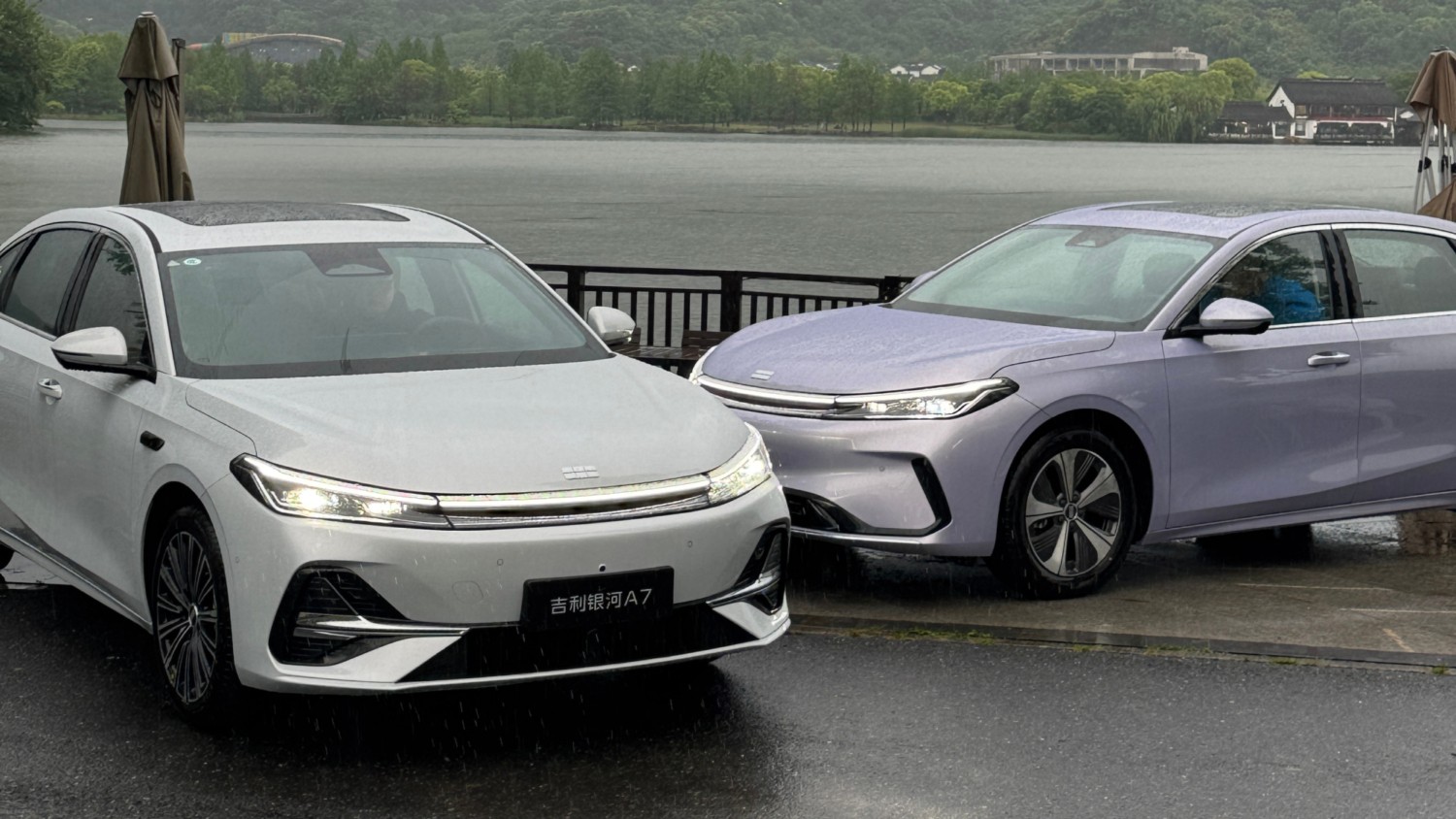
Geely has officially expanded its Galaxy A7 sedan lineup in China, introducing both Battery Electric Vehicle (BEV) and Plug-in Hybrid Electric Vehicle (PHEV) options. This strategic move comes as Geely attempts to revitalize interest in the model following a significant dip in quarterly sales.
Market Context: A Strategic Pivot
The Galaxy A7 first entered the market in August 2025 as a PHEV-only model. However, recent data highlights a challenging period for the sedan; according to China EV DataTracker, sales fell by 59.4% quarter-to-quarter in Q1 2026, with 15,230 units delivered.
By introducing an all-electric variant alongside the existing hybrid, Geely is diversifying its appeal to capture both long-distance commuters (via PHEV) and urban drivers looking for pure electric efficiency (via BEV).
Design and Dimensions: Two Distinct Identities
While both versions share a common DNA, they feature different visual languages and physical footprints:
- The PHEV (Galaxy A7 EM): Features a more aggressive aesthetic, characterized by a larger active air intake on the front bumper and decorative chrome accents that span the rear taillight unit.
- The BEV (Galaxy A7 EV): Adopts a more minimalist, streamlined design. It is slightly larger than the hybrid—measuring 4935 mm in length —and sits 17 mm longer and 5 mm higher. However, it has a lower ground clearance (125 mm), optimized for aerodynamics and stability.
Technology and the “Meizu” Connection
Inside, both models prioritize a high-tech user experience centered around a 14.6-inch touchscreen running the Flyme Auto 2 operating system.
A key selling point is the deep integration with Meizu smartphones, a result of Geely’s majority stake in the phone maker. However, this feature carries a potential long-term question mark: Meizu confirmed it ceased smartphone production in February 2026. While the software integration remains a strength today, the hardware ecosystem supporting it may face future challenges.
Key Interior Features:
– Audio: A 16-speaker Flyme Sound acoustic system.
– Comfort: Heated and ventilated front seats.
– Convenience: A 50W wireless charging pad and a double-D-shaped steering wheel with integrated gear shifting.
– Cargo: The EV version offers a slightly larger trunk at 547 liters, compared to the hybrid’s 535 liters.
Performance and Powertrain Specifications
The Plug-in Hybrid (Galaxy A7 EM)
The hybrid variant relies on a highly efficient 1.5-liter four-cylinder engine boasting a thermal efficiency of over 47%. This is achieved through Geely’s AI-powered EM Hybrid 2.0 system.
- Power: The engine works with an “11-in-1” electric drive (175 kW / 235 hp).
- Acceleration: 0–100 km/h in 7.1 seconds.
- Efficiency: Extremely low fuel consumption, estimated between 2.22 and 2.29 liters per 100 km.
- Electric Range: Between 150 and 235 km (CLTC) depending on the battery size (18.4 or 28.3 kWh).
The All-Electric (Galaxy A7 EV)
The BEV version is designed for efficiency and steady performance.
- Power: A single front-axle motor producing 160 kW (215 hp).
- Battery: A 58.05 kWh LFP battery produced by Yaoning Technology Group.
- Range & Efficiency: A CLTC range of 550 km, with a low energy consumption rate of 11.4 kWh/100km.
- Acceleration: 0–100 km/h in 7.4 seconds.
Pricing (Before Discounts)
The Galaxy A7 EM (PHEV) is positioned as an affordable entry into the mid-to-large sedan segment, with prices ranging from:
| Trim Level | Price (Yuan) | Price (USD) |
|---|---|---|
| 150 Enjoy | 97,800 | ~$14,330 |
| 150 Launch | 103,800 | ~$15,210 |
| 150 Explorer | 113,800 | ~$16,675 |
| 235 Explorer+ | 124,800 | ~$18,290 |
| 235 Starship | 131,800 | ~$19,310 |
Summary: By offering both PHEV and BEV configurations at highly competitive price points, Geely is attempting to reverse a downward sales trend and capture a broader segment of the Chinese electrified sedan market.