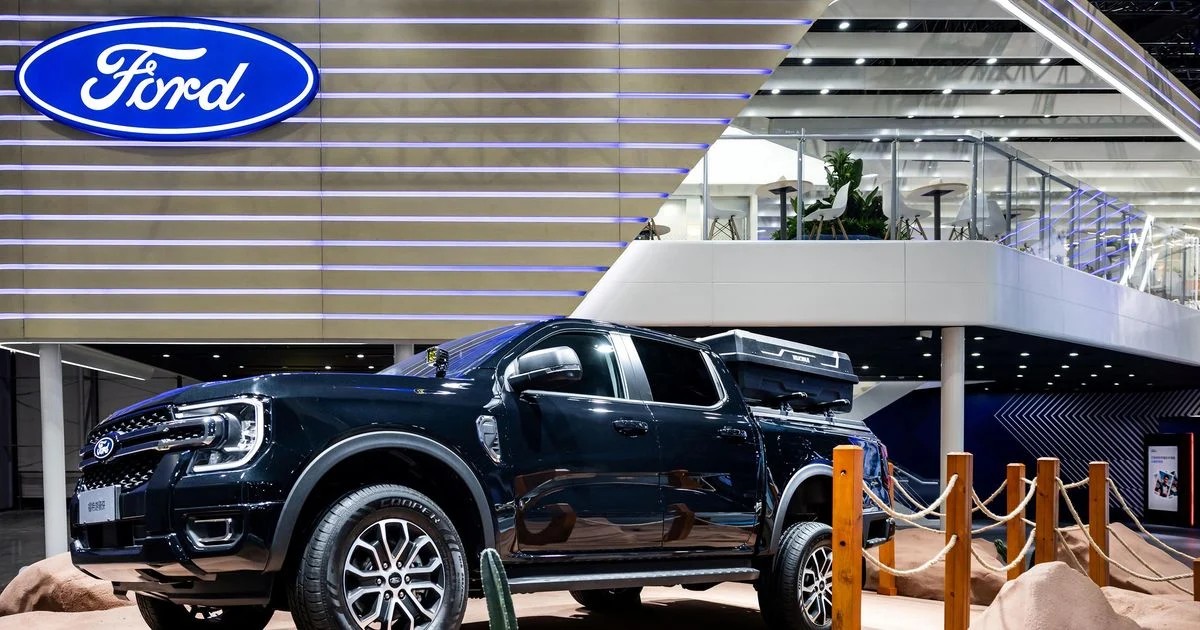
The strategic partnership between Ford and Jiangling Motors Co (JMC) designed to expand Ford’s presence in China has been liquidated. The joint venture, known as Jiangling Ford Automobile Technology (JFT), failed to meet its objectives, resulting in significant financial setbacks for both parties.
A Costly Strategic Misstep
While Ford initially reported losses of approximately ¥750 million (A$153m) since the venture’s inception in early 2022, more recent data from Jiangling Motors paints a much bleaker picture. A 2025 report revealed that the JV actually accumulated losses totaling ¥2.3 billion (A$480m) over a four-year period. Furthermore, the venture’s revenue plummeted by 45.4% in the last year alone.
The primary goal of JFT was to accelerate the growth of Ford’s passenger vehicle business in China by tapping into the “outdoor and adventure lifestyle” segment. Rather than manufacturing vehicles directly, the JV was tasked with building a specialized retail footprint:
– The “Ford Beyond” Network: A plan to establish 181 outlets across China.
– Targeted Segments: A focus on SUVs and pickup trucks, specifically aiming to capitalize on relaxed Chinese urban regulations regarding pickup truck usage.
– Key Models: The lineup was intended to feature the Ford Ranger, the Bronco, and the Equator Sport SUV.
Why the Strategy Failed
The failure of the “Ford Beyond” initiative highlights the difficulty of carving out a niche in a rapidly evolving Chinese automotive market. While Ford attempted to pivot toward selling global models—rather than developing China-specific vehicles—the venture struggled to gain traction.
The dissolution of JFT marks a retreat from a specific lifestyle-oriented retail strategy, even as Ford continues to maintain its broader relationship with Jiangling Motors.
The Broader Relationship: Ford and JMC
Despite the liquidation of the JFT joint venture, the long-standing partnership between Ford and JMC remains intact. This distinction is important:
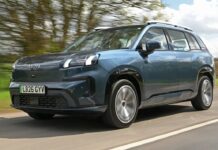
– Manufacturing Continues: Ford remains JMC’s largest shareholder (holding roughly 32%), and JMC continues to produce Ford vehicles for both Chinese and export markets, such as the Territory SUV and Transit vans.
– Global vs. Local: While the “lifestyle” retail experiment failed, the core manufacturing and supply chain relationship remains a cornerstone of Ford’s operations in the region.
A Shifting Global Landscape
The collapse of this venture occurs amidst a massive shift in how Western and Chinese automakers interact. For decades, joint ventures were the mandatory gateway for foreign brands to enter China. However, the tide is turning:
- The US-China Divide: While Chinese brands face high tariffs and national security hurdles in the US, Ford CEO Jim Farley has suggested a reversal of roles, proposing that US manufacturers might eventually partner with Chinese companies to build vehicles within China.
- Strategic Reorientation: Ford is increasingly looking to expand partnerships with Chinese firms outside of the United States, seeking to leverage Chinese manufacturing expertise while navigating a highly protectionist global trade environment.
The liquidation of the JFT joint venture serves as a stark reminder of the financial risks involved in attempting to force global lifestyle brands into specific regional niches within the highly competitive Chinese market.
Conclusion
The dissolution of the Jiangling Ford Automobile Technology venture marks the end of a costly attempt to capture China’s adventure-vehicle market. While Ford’s specific retail strategy for SUVs and pickups has failed, its fundamental manufacturing ties to Jiangling Motors remain a vital part of its global supply chain.