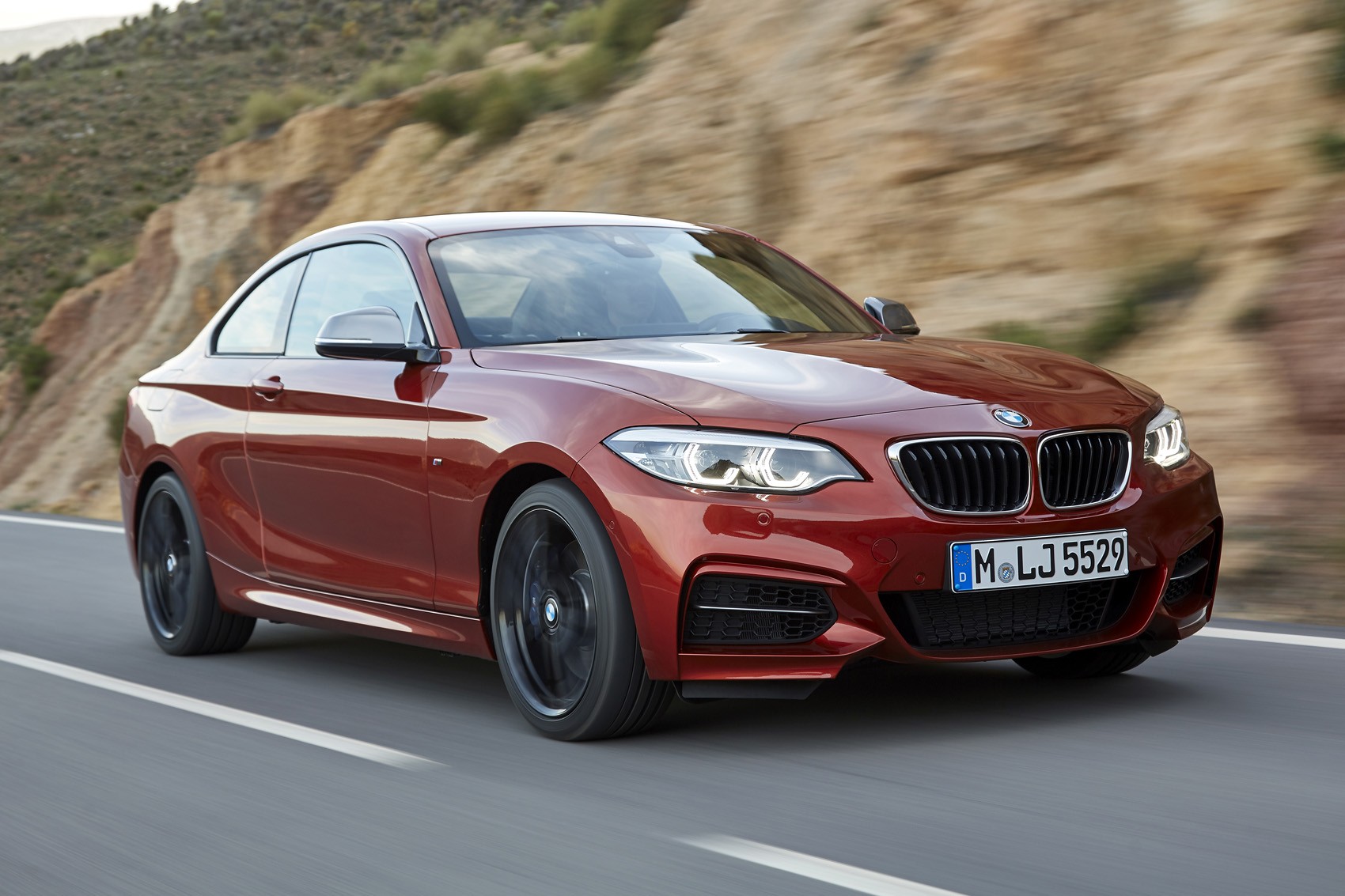
The BMW 2 Series (2014–2021) represents a strategic evolution for the brand. While the 1 Series was often viewed as a compact hatchback trying to find its identity, the 2 Series is a dedicated rear-wheel-drive coupé that successfully bridges the gap between everyday utility and spirited driving dynamics.
A More Accommodating Proposition
One of the most significant upgrades in this generation is the increase in physical dimensions. At 4432mm long, the 2 Series is noticeably larger than both the 1 Series hatchback and the 1 Series coupé. This isn’t just about road presence; it translates directly into improved practicality.
Key Space Improvements:
– Rear Legroom: An increase of 21mm makes the back seats far more usable for adults.
– Boot Capacity: The luggage compartment has grown by 20 litres to a total of 390 litres, making it more competitive with standard hatchbacks like the Volkswagen Golf.
– Interior Layout: The “layered” dashboard architecture mimics the larger 3 Series, providing a premium, driver-centric environment.
While the coupé roofline may still pose challenges for very tall passengers, the overall packaging makes it a much more viable daily driver than niche rivals like the Audi TT or Peugeot RCZ.
Engineering and Performance Options
True to its BMW heritage, the 2 Series utilizes a longitudinal engine layout with rear-wheel drive. This configuration is central to its agile handling and balanced weight distribution.
Engine Lineup
BMW offers a diverse range of powertrains to suit different priorities:
– Diesel (Efficiency): The 2.0-litre four-cylinder diesel engines (218d, 220d, 225d ) are masters of economy. In real-world testing, the 220d achieved a remarkable 62.2mpg, outperforming many direct competitors.
– Petrol (Refinement): Options include the 1.5-litre three-cylinder (218i ), 2.0-litre four-cylinder (220i/228i ), and the high-performance 3.0-litre six-cylinder found in the M240i and the flagship M2.
Handling and Suspension
Buyers can tailor the car’s personality through several suspension and steering configurations:
– Standard: Passive springs with Servotronic electrically assisted steering.
– Variable Sport Steering: Offers quicker response in corners while maintaining stability on motorways.
– M Sport vs. Adaptive M Suspension: The M Sport setup provides a fixed 10mm drop for stiffness, whereas the Adaptive M Suspension uses electronically controlled dampers, allowing for a more versatile ride that can be both compliant and firm.
The Trade-off: Refinement vs. Economy
While the diesel engines—specifically the 220d—are exceptionally efficient, they come with a caveat regarding NVH (Noise, Vibration, and Harshness).
The diesel units can be unrefined, characterized by a noticeable clatter when cold and a lack of smoothness during gentle throttle openings. For drivers who prioritize a serene cabin and a premium feel, the petrol engines are a significantly better choice, as they mitigate the “shouting” nature of the diesel powertrain.
Interior Technology and Trim
The 2 Series offers four primary trim levels: SE, Sport, M Sport, and M Sport Plus.
The infotainment experience is anchored by the iDrive system. While the base 6.5-inch screen is functional, upgrading to the BMW Professional Multimedia setup (8.8-inch screen with real-time traffic and online functionality) is highly recommended for its superior navigation and interface. For audiophiles, the Harman Kardon sound system is a worthwhile investment that adds both luxury and resale value.
Summary Verdict
The BMW 2 Series succeeds in being a “grown-up” compact coupé. It offers a rare combination of driver engagement and genuine utility, though buyers must choose their engine carefully: opt for diesel for unparalleled fuel economy, or petrol for a more refined, premium experience.
Final Thought: The 2 Series is a highly competent, versatile coupé that excels in handling and efficiency, provided you balance its mechanical character against your need for cabin refinement.