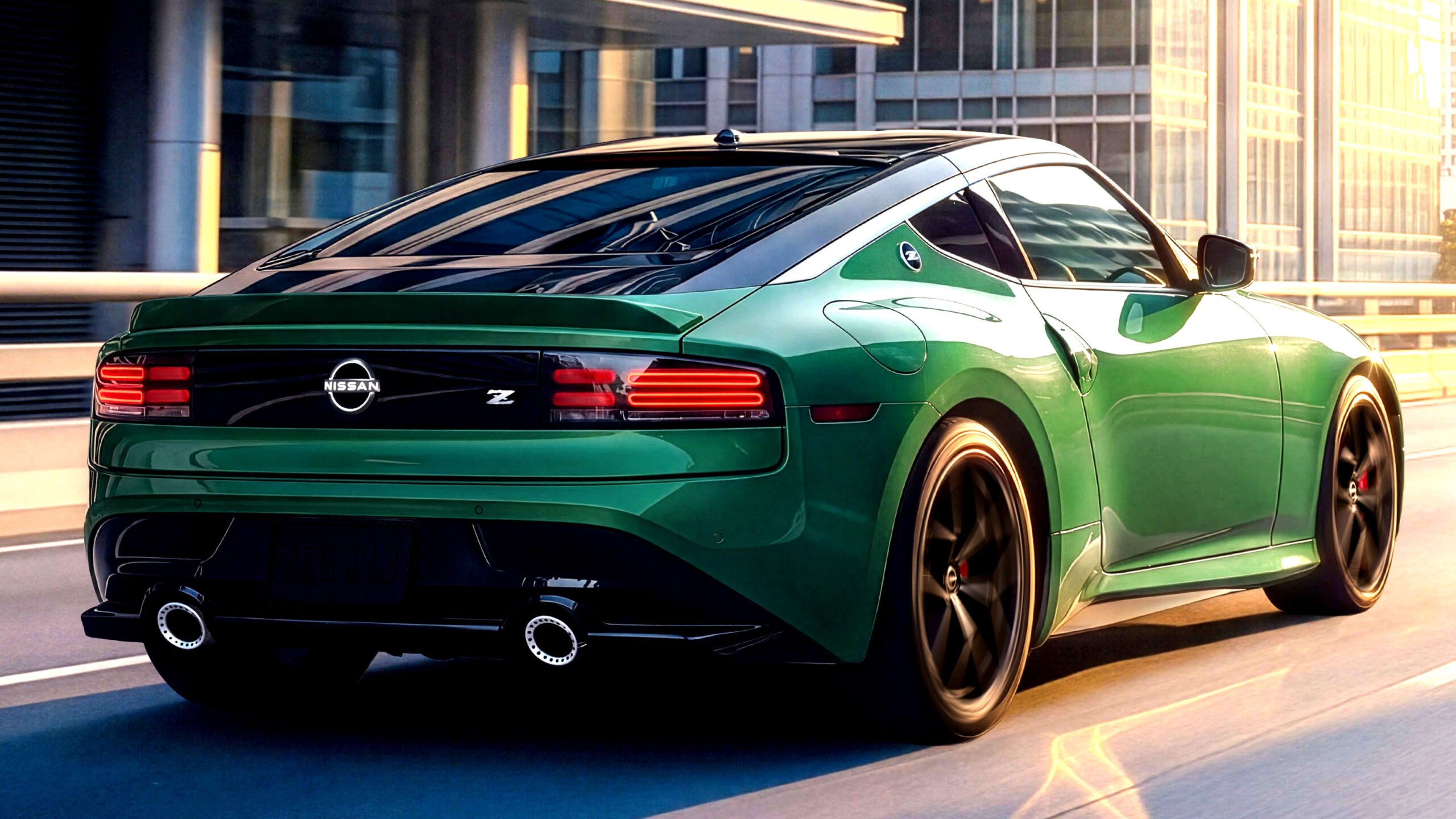
Nissan is currently navigating a delicate balancing act: honoring the legendary heritage of its sports car icons while preparing for a high-tech, electrified future. While the current Nissan Z has recently received updates—including a six-speed manual for the flagship Nismo variant—the company is already looking toward the next decade.
Keeping the Current Z Alive Through Heritage
According to Ponz Pandikuthira, Nissan’s head of product and planning for the Americas, the immediate strategy for the current Z generation is one of “animation.” Rather than waiting years for a complete redesign, Nissan intends to keep the model relevant through frequent updates and celebratory releases.
Pandikuthira emphasizes a strategy rooted in authenticity and heritage :
– Special Editions: Nissan plans to release limited versions of the Z that resonate with the model’s historical roots.
– Active Lifecycle Management: Instead of a static product cycle, the company aims to keep the Z “fresh” through continuous iterations over the next three years.
This approach is a common trend among enthusiast-driven brands; by releasing special editions, manufacturers can maintain sales momentum and brand excitement without the massive capital expenditure required for a ground-up redesign.
The Next Generation: A Symbiotic Relationship with the GT-R
Looking further ahead, the design and technical direction of the next-generation Z is not being decided in a vacuum. Instead, it is being shaped by the shadow of the upcoming R36-generation GT-R.
The next GT-R is widely expected to undergo a significant technological shift, likely transitioning into a hybrid powertrain while potentially retaining its iconic twin-turbo VR38 engine. This evolution creates a strategic challenge for Nissan’s product lineup.
Pandikuthira notes that the next Z must “make sense” alongside this new GT-R. To maintain a logical product hierarchy, the Z must:
1. Maintain clear differentiation: It must occupy a distinct market segment below the GT-R.
2. Align with technological trends: As the GT-R moves toward hybridization, the Z will need to find its own balance between traditional internal combustion thrills and modern efficiency requirements.
Why This Matters
For enthusiasts, this news highlights a period of transition. Nissan is attempting to bridge the gap between the “analog” feel that Z and GT-R fans crave and the “digital/hybrid” reality of modern performance engineering. The success of the next Z will depend on whether Nissan can capture the soul of its heritage while adhering to the technological standards set by its flagship GT-R.
The next generation of Nissan sports cars will be defined by how well they coexist within a new hierarchy, ensuring the Z remains a distinct, accessible icon even as the GT-R evolves into a hybrid powerhouse.