It’s been too long. Nearly a decade since the BMW 1 Series was anything resembling its true self. Now? Things are flipping back.
Reports confirm the next generation—due in 2028—will finally return to rear-wheel drive. For the first time in ages.
Autocar says the split is happening early. Not just drivetrain. The soul of the car.
One side is the combustion engine. The other is pure electricity.
“The Neue Klasse is a mindset, not a design cookbook.”
— Oliver Heilmer
This isn’t a minor tweak. It’s a fundamental divorce. The internal combustion models, along with plug-in hybrids, are sticking with the UKL2 architecture. You know this one. It powers Mini. It pushes the front wheels. It’s pragmatic, compact, and entirely front-wheel drive focused. If you want that old-school rear-engine balance with a petrol tank, you’re out of luck. The physics of that platform don’t allow it.
Then there’s the i1.
The electric variant gets something special. The Neue Klasse platform. The same ground-up architecture holding up the i3 and the iX3. By default, this architecture is rear-wheel driven. Dual motors are an option, sure. For the enthusiasts who want torque in their veins. But the baseline? Rear. Just like the E36. Just like it used to be.
Why the separation? Because the needs are different. Battery weight distribution changes the game. Front-drive is fine for groceries. Rear-drive is for driving.
Inside, the screens are taking over. Rhomboid-shaped infotainment units. The Panoramic iDrive stretching across the windscreen base. Features that debuted on the 7 Series are trickling down. Joachim Post claims it’s easy. They can bring those toys to every car now. Technology democratizes. Design doesn’t have to.
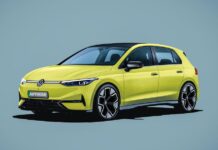
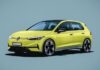
The shape? Still a hatchback.
Rumors swirl that Audi’s A2 might be a tall people-mover. Mercedes might follow suit. Going big on the B-class? Maybe.
But the 1 Series is holding its ground. Five doors, yes. Traditional lines. A firm stance in the hatchback arena. Post even hinted a three-door could happen. It’s easier on an EV platform to play with proportions. Two doors, three doors—the wheelbase stays the same. The roofline can dance.
So here we are. Waiting for 2028.
Petrolheads get their familiar, front-pulling compromise. The electric set get the pure, rear-drive mechanicals they’ve been mourning.
Do you care which wheel pushes?