即使价格飙升,土耳其汽车购买者在 2020 年也没有放慢脚步。汽车爱好者和务实的通勤者都让展厅热闹非凡。 我们深入研究注册数据,找出哪些型号的销量最多。 以下是 2020 年土耳其最畅销的 10 款汽车,重点关注主导市场的特定装饰和发动机。
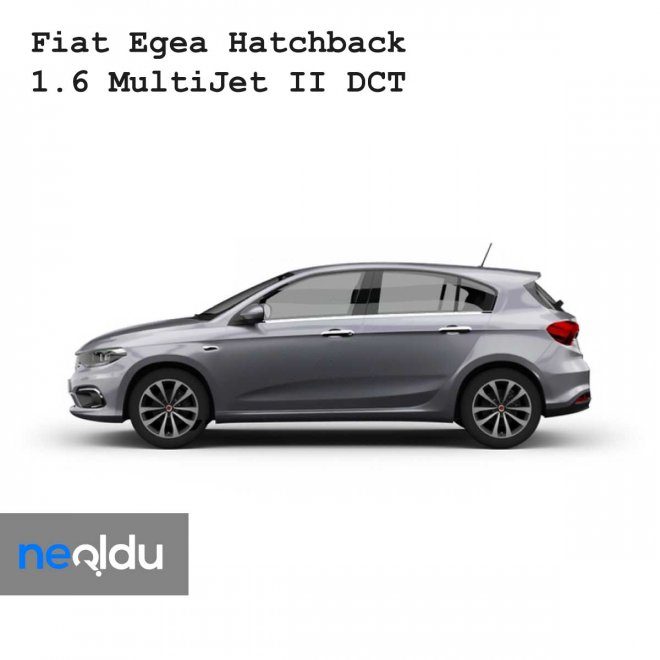
Fiat Egea Hatchback 1.6 MultiJet II DCT
Fiat Egea remains a staple in Turkey. Although the sedan version often made headlines, so did the hatchback version. This model is equipped with a 1.6 liter MultiJet II diesel engine. It is mated to a dual-clutch automatic transmission (DCT). Egea combines Italian style with practical everyday practicality. The reason for its popularity is its low price and low operating costs. Buyers in 2020 clearly value efficiency over luxury.
Renault Megane Joy 1.3 TCe 140 hp
Renault’s Megane continued its strong performance. The Joy trim is an entry-level spec, but it comes with a powerful engine. The 1.3-liter TCe (turbo compression ignition) gasoline engine produces 140 horsepower. It is one of the most powerful small petrol engines in its class. The quality and handling of the Megane’s interior make it a popular model for those looking for luxury without the hefty price tag. It effectively balances technology and comfort in the Turkish market.
Toyota Corolla 1.4 D-4D 90 PS MultiMode Advance
Thanks to Toyota’s reputation for reliability, the Corolla is still the best seller. The 2020 model is equipped with a 1.4 liter D-4D diesel engine. It outputs 90 PS. The MultiMode Advance transmission offers manual and automatic driving modes. It is a frugal choice for city driving. The Corolla’s resale value remains high. Owners know that this car is likely to hold its value longer than many of its competitors.
Renault Clio 1.2 75 hp Joy
The Clio is often the first car for many new drivers. With a 1.2-liter gasoline engine and 75 horsepower, the Joy is not as powerful. Designed with economy in mind. Low fuel consumption. Maintenance costs are very low. This is a practical and sensible option for city travelers who value wallet-friendliness over speed.
Volkswagen Passat 1.6 TDI 120 PS DSG Business
For those who need space and status, the Passat is the answer. This best-selling model of 2020 is equipped with a 1.6-liter TDI diesel engine. It delivers 120 PS. DSG (Direct Shift Gearbox) enables smooth and fast gear changes. The Business Edition includes additional features useful for businesses and professionals. It’s a comfortable cruiser. The Passat dominates the family sedan segment in Turkey.
Honda Civic Sedan 1.5 182 PS Elegance
Honda pushed harder in 2020.The Civic Sedan in the Elegance trim was a standout. It uses a 1.5-liter turbocharged petrol engine. It produces 182 PS. That’s serious power
If you are looking for a car that combines low running costs with practical comfort, you should not ignore the Fiat Egea Hatchback. It’s not just popular. This was Turkiye’s best-selling model in 2020. That momentum has not been lost. In January 2021, it is still at the top of the sales chart.
The secret sauce? Diesel engine. More specifically, the four-cylinder unit produces a respectable 320 Nm of torque at 1750 rpm. This is a spec sheet that lets you pull away from lights without getting nervous.
Under the hood: 1.6 MultiJet II
Let’s look at the details Fiat Egea Hatchback 1.6 MultiJet II DCT. This is no slow commuter or track monster. Designed for efficiency and features side of punch.
The core is a 1598cc engine. This is diesel. It produces 120 horsepower. It might not sound like a big deal, but diesel engines are all about torque. It moves without screaming with a maximum torque of 320 Nm. The 6-speed automatic transmission (DCT) shifts smoothly, and the front-wheel drive directs power to the wheels where you need it most in everyday driving.
Acceleration from zero to 100 km/h takes about 10.2 seconds. Not blistering, but perfect for highway merging. The maximum speed is capped at 200 km/h.
The real headline here is fuel economy. The average fuel consumption is only 3.8 liters per 100 kilometers. Average consumption is 4.4 liters even in city driving, which puts a lot of strain on the engine. Outside the city, its efficiency drops to 3.8 liters. The fuel tank has a volume of 50 liters, which provides a good range.
The curb weight of the vehicle is 1320 kg. The size is 4368mm total length, 1792mm total width and 1495mm total height. The trunk is a handy 380 liters. It’s made in Italy, so it’s a nice touch for brand lovers.
Safety and User Sentiment
The car has a unique look. Owners often notice that the hatchback version is more uniform than the sedan. The rear of the sedan may look a little awkward, but the hatchback shape works well. It feels more “topple” (sturdy/compact) than stretched.
Security varies depending on how you configure it. The basic standard series received only three stars in the 2016 Euro NCAP test. The protection rate for adults is 82%, but the child protection rate drops to 60%.
If you add the driving assistance package (“Asist paketi”), the rating jumps to 4 stars. Interestingly, the underlying protection percentages doesn’t change much. Just earn extra stars for your added tech. Is it the safest car on the road? Probably not. But considering the price, it’s a reasonable effort.
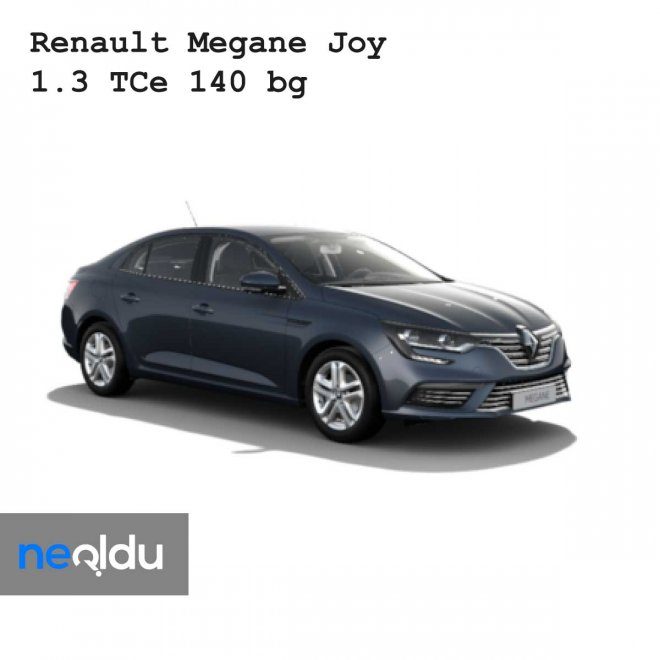
The Renault Megane Joy 1.3 TCe stands out for its comfort, low fuel consumption, and generous boot space. It is a French-built hatchback that seems tailored for families, offering better economy than many competitors in its class. But does the practicality justify the driving dynamics?
Technical Specifications Breakdown
The heart of this vehicle is a 1.3-liter turbocharged petrol engine. It produces 140 horsepower and 240 Nm of torque. Power is sent to the front wheels via a 6-speed manual transmission.
Here are the hard numbers:
- Engine Capacity: 1332 cc
- 0-100 km/h: 9.7 seconds
- Top Speed: 205 km/h
- Fuel Tank: 49.7 liters
- Curb Weight: 1355 kg
- Dimensions: 4632 mm (L) x 1814 mm (W) x 1443 mm (H)
Efficiency is where this car tries to make its mark. The combined fuel consumption sits at 5.5 liters per 100 km. City driving jumps to 7.0 liters, while extra-urban routes drop to 4.8 liters. The boot offers 503 liters of cargo space. That is a solid figure for a compact hatchback.
What Owners Actually Say
The driving experience is where opinions split. Some drivers praise the handling. Others have a different take.
“It promises superior road holding for its class, yet it almost flips over at low speeds. If a car can nearly roll over at 60 km/h, either I am too skilled or the car is flawed. If this is ‘superior handling,’ I can’t imagine what the rest feel like.”
This comment highlights a tension in the engineering. The chassis feels agile but perhaps too nervous on certain surfaces. It isn’t a neutral description. It suggests the suspension tuning leans heavily toward sportiness, which may unsettle casual drivers.
Then there is the design critique. The rear end looks like a scaled-up version of the standard hatchback. The taillights and tailgate structure serve little purpose other than to claim a larger market share. It feels forced.
Yet, the 503-liter boot remains a strong point. It meets the needs of traditional families who need space for groceries, strollers, and luggage. The interior comfort also plays a role. Seats are supportive. Noise insulation is adequate for the price segment.
Toyota Corolla 1.4 D-4D 90 PS MultiMode Advance
Moving down the list, we encounter the Toyota Corolla. This model takes a different approach. Instead of a turbocharged petrol engine, it uses a 1.4-liter diesel unit. The power output is lower at 90 PS.
The MultiMode Advance trim adds an automatic transmission option to the diesel engine. This appeals to drivers who want fuel efficiency without the engagement of a manual gearbox. Diesel torque is different from petrol torque. It delivers low-end pull that feels strong in city traffic.
The Corolla’s reputation for reliability often outweighs its driving dynamics. It doesn’t promise excitement. It promises longevity
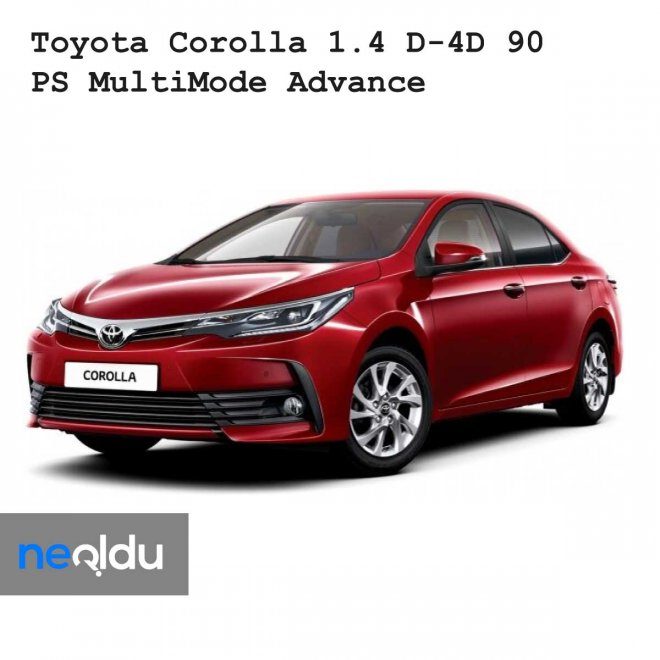
The Toyota Corolla is still one of the best-selling vehicles in Turkey for good reason. It’s a family car that easily meets modern standards. When you step inside, comfort and safety are immediately noticeable. The cabin feels spacious. The ride is smooth. It just works.
This model, the third on our list, packs a 1,364 cc engine. Acceleration to 100 km/h takes 14.7 seconds. It’s not fast. It shouldn’t be. This is all about reliability. It’s about getting from A to B without drama.
Technical Specifications: 1.4 D-4D MultiMode Advance
This vehicle is based on Toyota Corolla 1.4 D-4D 90 PS MultiMode Advance. Here’s what you’ll see under the hood and in the specs.
- Engine size: 1364 cc
- Fuel type: Diesel
- Gearbox: Automatic (MultiMode)
Power: 90 hp - 0-100 km/h acceleration: 14.7 seconds
- Combined fuel consumption: 4.1 liters / 100 km
Drive Type: Front wheel drive
Cylinders: 4
* Maximum torque: 205 Nm
* Top Speed: 180 km/h
* Origin: Japan (although assembled in Turkey)
* Gearbox Levels: 6 gears forward
* Trunk Volume: 452 liters
* Fuel Tank Capacity: 55 liters
* City Consumption: 4.9 liters per 100 km
* Highway Consumption: 3.7 liters per 100 km
* Curb Weight: 1275 kg
* Dimensions: 4620 mm x 1775 mm x 1465 mm (L x W x H)
* Suspension: Standard setup included
Real-World Usage: The Turkish Assembly Factor
Toyota Turkey produces both 1.4- and 2.0-liter turbo-diesel versions of the Corolla and Corolla Verso. These engines have one thing in common. They offer high torque and excellent fuel economy. This is typical for high-tech diesel engines.
These cars are popular all over Europe. Still, they don’t sell well in their home market. Why? Toyota Turkey is reportedly protested local fuel quality. They refused to sell these models domestically because they were concerned about the longevity of the engine. Instead, they are assembled in Adapazarı. Interestingly, the factory fleet consists exclusively of Corolla d-4d models.
“Toyota Turkey’s own vehicles are Corolla d-4ds, although sales to the public decreased due to fuel quality problems.”
Of course there are quirks. The trunk handles are on both sides. This design prevents you from stacking things too high. When the lid closes, the U-shaped handles push your load down. They can crush delicate objects.
The clutch pedal in manual versions is
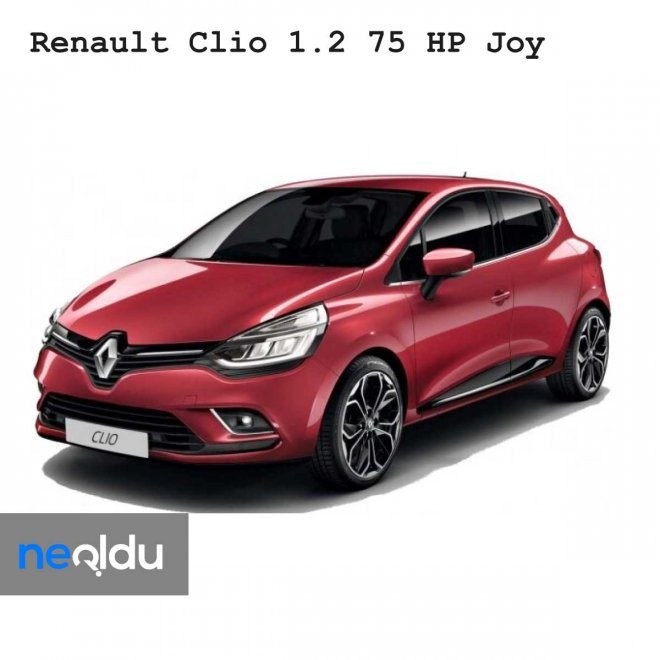
It is easy to glance at the specs sheet of a 75 horsepower hatchback and dismiss it as sluggish. But on the road, the Renault Clio 1.2 75 HP tells a different story. Ranked fourth in sales for 2020, it isn’t just a budget runner; it is a surprisingly sharp, confident companion that has earned its place on city streets and highways alike.
The secret isn’t raw power. It is the combination of low fuel consumption and a driving experience that defies its modest output. If you are looking for a Renault Clio 1.2 75 HP Joy technical specifications breakdown or wondering if this engine can handle daily commutes without leaving you bored, read on.
Real-World Performance vs. Paper Specs
On paper, 75 horsepower sounds underwhelming next to modern turbocharged rivals. The 0-100 km/h sprint takes 14.5 seconds. That is not sports car territory. However, numbers rarely capture the feel of a car.
Once you get behind the wheel, the Clio feels agile. The front-wheel drive layout keeps it planted, and the torque curve is surprisingly usable. Drivers report that the engine wakes up after 2,500 rpm, responding promptly to throttle inputs. This makes city driving feel less like a chore and more like a dance.
“I don’t usually get excited about driving, but this model actually satisfied me. When I grabbed the wheel, I felt like I was really driving a car.”
The top speed sits at a respectable 167 km/h, which is plenty for highway cruising. The real magic happens in the fuel economy. With a combined consumption of just 5.5 liters per 100 km, it is one of the most economical choices in its class.
Under the Hood: The 1.2L Naturally Aspirated Engine
The heart of this setup is a 1,149 cc, 4-cylinder petrol engine. It produces 107 Nm of torque. While it may not yank you back in your seat, that torque is available enough for overtaking when necessary.
It is paired with a 5-speed manual transmission. Some might argue for a dual-clutch or CVT for ease of use, but the manual here offers a tactile connection that many enthusiasts appreciate. The car is front-wheel drive, with a curb weight of 980 kg. Lightness is a virtue here; less mass means less inertia to overcome, making the car feel lighter and quicker in corners than it has a right to be.
| Specification | Detail |
|---|---|
| Engine Volume | 1,149 cc |
| Power | 75 hp (55 kW) |
| Torque | 107 nm |
| 0-100 km/h | 14.5 seconds |
| Top Speed | 167 km/h |
| Fuel Type | Petrol |
| Transmission | 5-Speed Manual |
| Drive Type | Front-Wheel Drive |
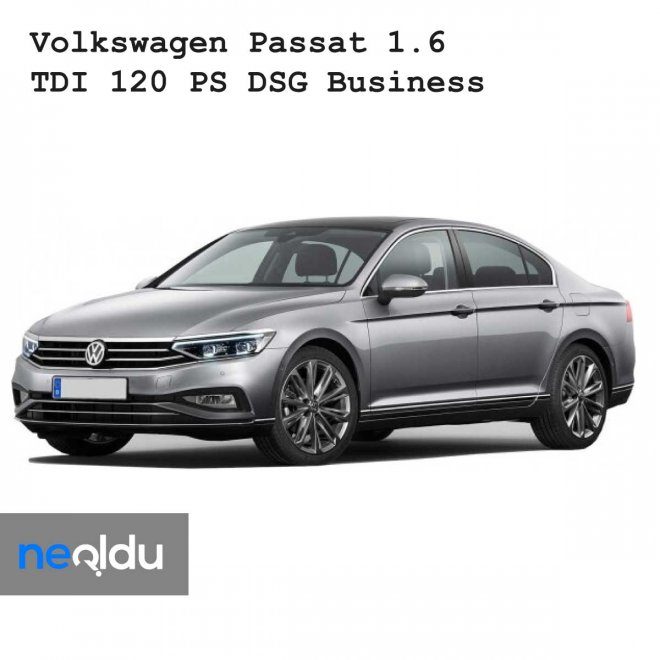
パサート プレミアム: 誇張することなく快適
フォルクスワーゲン パサートは、富裕層のデフォルトの車として長い間人々の想像力の中に存在してきました。 これは私たちのリストの 5 位ですが、正直なところ、それは驚くべきことではありません。 評判は車に優先しますが、現実はさらに微妙です。 私たちの観点からは、この車は最高の快適性を提供しますが、その価格を正当化するのに苦労しています。 このマシンは燃費とトルクで大きな注目を集めており、市場予測では2021年までベストセラーであり続けるとされているが、「大ボス」のイメージはまさに作られたものだ。
Under the hood: 1.6 TDI 120 PS DSG Business
Let’s look at the specific numbers of the Volkswagen Passat 1.6 TDI 120 PS DSG Business Edition. This is an entry point to German engineering stream, but for the hobbyist, the specs are most important.
At the heart of this sedan is a 1,598 cc diesel engine. Its maximum power is 120 horsepower and the maximum torque is 250 Nm. Its torque figures are attractive, offering low-end grunt for highway cruising. Power is transmitted to the front wheels via a seven-speed DSG automatic transmission. The result? It accelerates from 0-100 km/h in just 10.8 seconds and reaches a top speed of 205 km/h. It’s not a sports car, but it drives briskly like a family car.
Efficiency and Dimensions
燃油经济性是帕萨特的最强项。 每百公里综合油耗仅为 6.2 升。 按环境细分,城市中的油耗为 4.6 升,公路上的油耗为 3.9 升。 油箱容量为 59 升,为这款轿车提供了充足的续航里程。
包装方面,该车长4,775毫米,宽1,832毫米,高1,442毫米。 这是一个巨大的足迹。 行李箱提供 586 升空间,足以容纳行李或货物。 整备质量为 1,500 公斤,对于一辆拥有如此多钢材和玻璃的汽车来说,这是一个合理的数字。
The User Experience: Smooth, But Noisy
So why do people buy it? The owner’s comments illustrate the contradiction between marketing and reality. Thanks to aggressive marketing by Volkswagen’s Turkish dealers, some citizens see the Passat as a status symbol or a “patron’s car”. Car owners often exaggerate the driving dynamics by saying “super grip” and “it flies when you press the gas.”
But if you ask them what kind of cars they’ve driven, the answer is usually something more modest: Doğan SLX, Renault Clio or Skoda. While the mechanical differences aren’t earth-shattering, the jump in perceived value is huge.
The standout feature here is the suspension. It is very comfortable and smooths out the bumps in the road. Driving on clean asphalt is smooth and quiet. This is further exacerbated by the inherent quietness of the diesel engines, which creates a relaxing interior atmosphere. However, the sound system is disappointing. You can’t increase the volume without distortion. It only works well at moderate volumes.
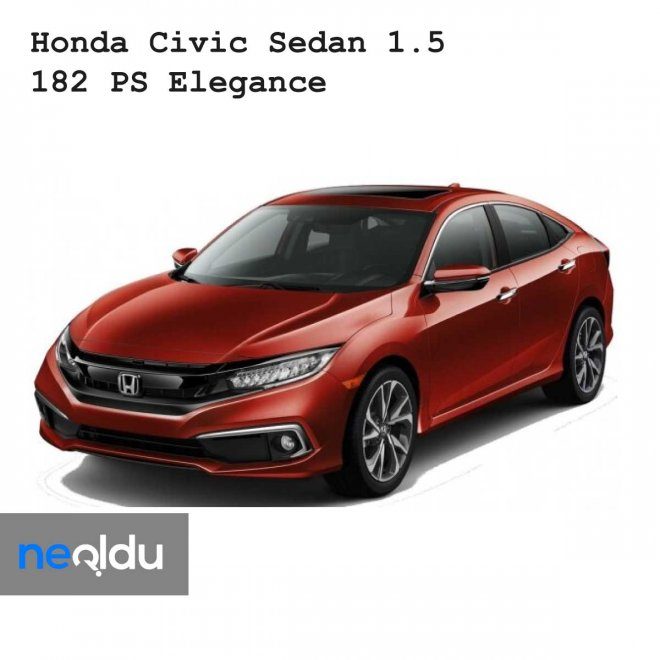
The Honda Civic isn’t just another commuter car. It has become the default choice for young drivers in Turkey, and for good reason. The blend of punchy acceleration and a surprisingly spacious trunk grabs attention immediately. It looks sharp. It feels comfortable. Most importantly, it’s one of those modern machines that doesn’t scare owners away from modifying it. In fact, owners seem to enjoy tweaking it.
Under the Hood: The 1.5 Turbo Elegance
Let’s talk specs, because the numbers tell the real story. We are looking at the Honda Civic Sedan 1.5 182 PS Elegance. This isn’t a base model with a weak engine. It’s powered by a 1498 cc four-cylinder petrol unit. That’s right, a small displacement engine making big power.
The magic happens with the turbo. It pushes out 182 horsepower and 220 Nm of torque. That torque figure is what you feel in your backseat when you floor it. Mated to a 6-speed manual transmission, the Civic sends power to the front wheels only. The result? A 0-100 km/h sprint in just 8.0 seconds. Top speed is electronically capped at 210 km/h.
| Specification | Detail |
|---|---|
| Engine | 1498 cc, 4-cylinder Petrol |
| Power | 182 hp |
| Torque | 220 nm |
| Transmission | 6-speed Manual |
| 0-100 km/h | 8.0 seconds |
| Fuel Economy (Combined) | 5.5 lt/100 km |
| City Consumption | 7.0 lt/100 km |
| Highway Consumption | 4.6 lt/100 km |
| Boot Space | 519 liters |
| Fuel Tank | 46 liters |
| Curb Weight | 1352 kg |
| Dimensions | 4658 x 1799 x 1407 mm |
The boot holds 519 liters. That’s massive for a compact sedan. The fuel tank is small at 46 liters, but the efficiency makes up for it. You’re not stopping for gas every two hours.
Real-World Ownership: The Diesel Transition
Ownership experiences vary. One owner shared a stark contrast between their previous diesel and this new petrol Civic. “After a very economical diesel, this is my second car,” they noted. The first few months were a shock. The urban consumption jumped to 7.0 liters per 100 km. That’s a steep hike if you’re used to diesel efficiency in city traffic.
But the highway changes the narrative.
“On long drives, it’s economical compared to other petrol cars in its class. I’ve driven over 750 km on 49.5 liters of fuel. And that was with winter tires on and the AC blasting.”
The verdict? If you compare this to luxury class
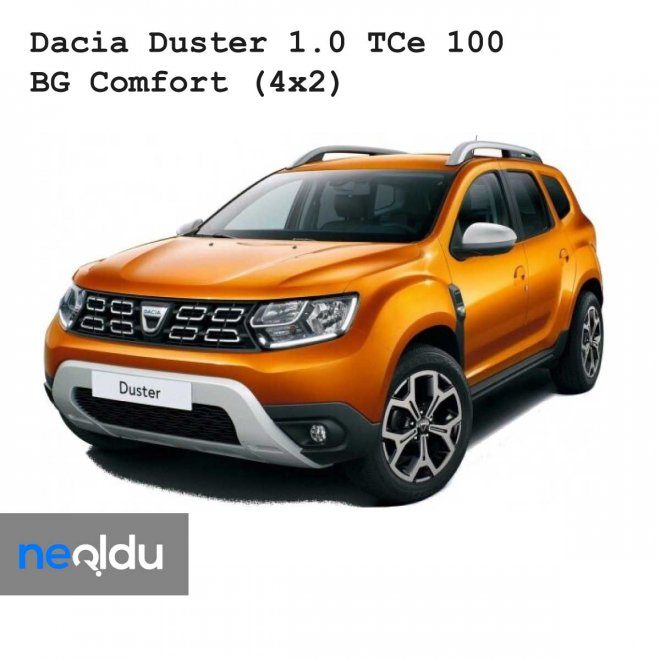
Dacia Duster is not just one of those square cars that move on the roads. It’s big, powerful in performance and commands an SUV-like driving experience. In 2020, it ranked in the top 10 in Turkey’s sales statistics, ranking 7th. Its solid nature and sufficient space make it a practical choice for families who need space but want to avoid the high luxury price.
1.0 TCe 100 HP Comfort trim
Katsotaan etuvetoisen mukavuustrimmin lukuja. Under the hood is a 999cc four-cylinder gasoline engine. Its peak power is 100 horsepower and maximum torque 160 Nm. This is enough to reach a top speed of 168 km/h.
A 5-speed manual transmission is combined with the engine. Weight? The weight of the vehicle when empty is 1191 kg. Total length 4341 mm, total width 1804 mm and total height 1693 mm, i.e. a compact SUV. There is 478 liters of luggage space and 50 liters of fuel tank.
Where is it made? in Romania and France. The suspension is tuned for comfort, but this begs the real question: “How does it handle road bumps?”
Checking the user’s reality
When you read reviews of this car online, you may often feel like you’re laughing at a Turkish joke. People complain about everything. Some claim it is a coffin. Others point to the Euro NCAP results as evidence that it is not safe. At the same time, the same voices warn that you shouldn’t trust the sound of the doors supporting the “luxury” brand.
Let’s talk honestly about the financial background. Most of the people who shop here are looking for maximum practicality at the lowest possible cost. You can’t expect German-level sophistication in this price range. You get what you pay for.
Driving in local roads
When you switch from a sedan to an SUV like the Duster, everything changes instantly. The first thing you notice is the suspension. As the height of the vehicle increases, the springs have softened. This gives the feeling that the car is cornering.
I drove a similar car 60,000 km a year on one-lane highways with hairpin turns. The truth is, if you drive wisely, your Duster won’t crash. Just slow down for the bends. It’s not a sedan. This is an SUV.
The off-road performance is exceptional. At one point I sank deep into the mud and my rearview mirror sank. The car pulled through without hesitation. It doesn’t just look tough. It’s tough.
Peugeot 3008 Contender
If the Duster is a practical option, the Peugeot 3008 is stylish. The 2020 model we are looking at is the 1.6 THP 180 HP EAT8 Active Prime Edition. It’s front-wheel drive, but the heart is much stronger.
The engine produces 180 horsepower. This is much more than the Duster’s 100. It’s paired with the EAT8 automatic transmission, an eight-speed unit that shifts smoothly and efficiently. This isn’t about raw off-road crawling. I’m talking about cruising on highways and urban areas.
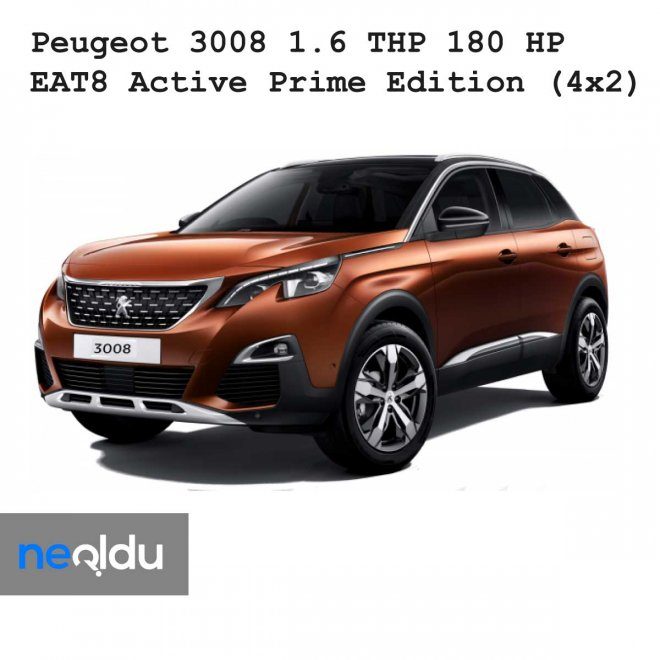
The Peugeot 3008 not only sparked discussion but also drew attention. It exploded onto the scene. It is a package built for an effective combination of aesthetics, engine capacity, and transmission that makes daily driving feel less like work and more like luxury. People praise it, sometimes to the point of absurdity, but if you look a little deeper, you realize that the praise is justified. Peugeot has never compromised on safety. The 3008 is proof of that. This French SUV was one of the best-selling models of 2020, winning over showrooms with its style and substance. But as 2021 approaches, questions are increasing. Can you maintain peak performance, or does the magic fade?
Numbers behind the charm
Marketing rumors aside, let’s look at the Peugeot 3008 1.6 THP 180 HP EAT8 Active Prime Edition (4×2) raw values. This is where engineering decisions come into play.
At the heart of the machine is a 1.6-liter turbocharged gasoline engine (THP). Its displacement is only 1598 cc and it consists of four cylinders. The maximum power is 180 hp and most importantly the torque is 250 Nm. This torque value gives the car power. The EAT8 automatic transmission, developed together with General Motors, has eight gears and sends power only to the front wheels. This is a 4×2 (front wheel drive) setup, not an all wheel drive system with an SUV body shape as some think.
The performance statistics are competitive. Acceleration from 0-100 km/h is 8.0 seconds. The electronic top speed is 222 km/h. Measured by weight, the curb weight is 1430 kg, which is relatively light for its class. It’s 4447mm long, 1841mm wide and 1620mm tall, making it compact enough for city living, yet roomy enough for families.
Efficient and practical
Actual use depends on efficiency. The volume of the fuel tank is 53 liters and the range is sufficient. The consumption situation depends on the driving style.
- Total: 5.8 liters / 100 km
- In city driving: 7.2 liters per 100 km
- Highway/rural: 4.9 liters per 100 km
There is 520 liters of luggage space, which is enough for a compact SUV. If you can ignore the engine sounds, it’s useful as a daily driver.
Driver’s reality: grip and ground
The user experience of the Peugeot 3008 1.6 THP reveals the gap between the showroom promise and the winter reality. The car has a traction control system and is often sold as an alternative to 4×4 traction in light snow. Marketing claims suggest that it can easily cope with winter conditions.
The feedback was even louder. Drivers said their cars handled the light snow well, but struggled when the weather changed. If you hit a wet, slushy or frozen spot, front
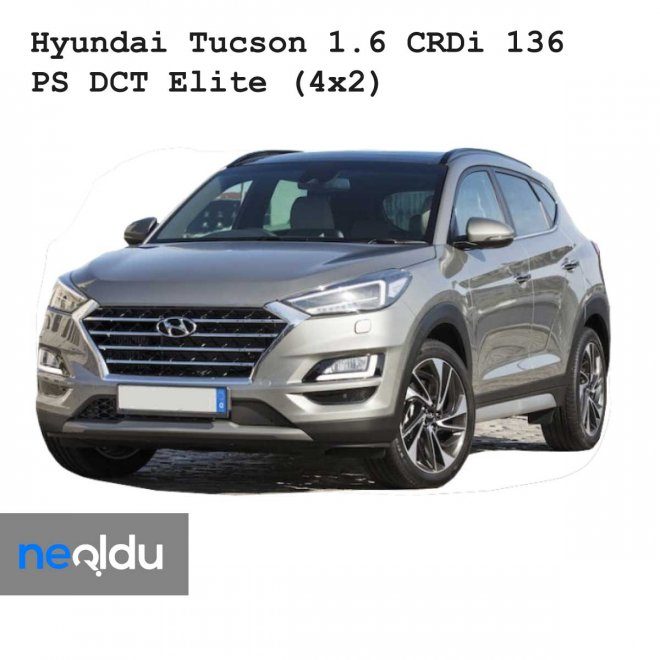
This is somewhat contradictory in the used car market. There’s the Volkswagen Tiguan, the undisputed benchmark for compact SUVs, and then there’s the Hyundai Tucson. Although German cars tend to be more expensive, buyers and critics seem to be silently voting with their wallets in favor of Korean alternatives. The logic is simple. The Tucson has a massive 513 liters of boot space while using significantly less fuel than many of its rivals. It’s efficient, spacious and frankly hard to ignore.
Under the hood: 1.6 CRDi engine
Let’s look at the numbers for a particular configuration that seems to be attracting the masses: Hyundai Tucson 1.6 CRDi 136 PS DCT Elite (4×2). This is not a sports hybrid or a top-of-the-range petrol version. Instead, it’s a diesel workhorse.
At its core is a 1598cc 4-cylinder diesel engine. Its maximum power is 136 horsepower and the maximum torque is 320 Nm. You will notice the difference in daily driving in the torque value. You don’t have to hunt for gears to get out of traffic and it’s perfectly mated to a 7-speed dual-clutch automatic transmission (DCT).
The performance figures are modest, but realistic. It accelerates to 100 km/h in 11.8 seconds. It’s not fast. However, the top speed is limited to 180 km/h and the combined fuel consumption is only 4.8 liters per 100 km. In the city, Fuel consumption drops slightly to 4.9 liters, but on the road it drops to an impressive 4.7 liters.
The car is front-wheel drive (4×2), which reduces weight and complexity. The empty weight is 1600 kg and the fuel tank capacity is 62 liters, so the range is sufficient. The dimensions are standard dimensions: length 4480mm, width 1850mm, height 1660mm.
Design language: familiar but not perfect
Design is subjective, but consensus has emerged from the Tucson’s appearance. It inherits Hyundai’s design DNA that started with the i30 and was complemented by the i20. This look is aimed directly at the European consumer, down-to-earth, sturdy and high-quality.
The front features Hyundai’s signature hexagonal grille, giving it a bold look. The wheel arches are wide and pronounced, which adds a bit of aggression. But the striking feature is the rear. The shoulder line rises back and the design of the Tail Light is layered and hangs low. Looks very sporty. Looks very modern.
But here’s the problem. In this segment, almost everyone looks the same. If you squint, the Tucson shares a lot of visual ground with the Nissan Qashqai. Is that a bad thing? No, it means the design language works. It appeals to the mainstream.
However, not all elements lands. The headlight is a weak point. In particular, the internal design of the lamp feels cluttered. two small
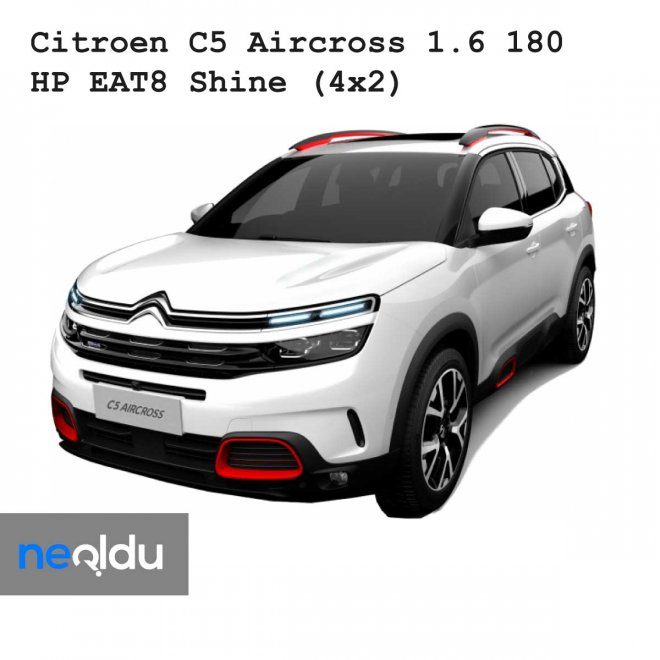
The Citroen C5 Aircross has established itself as a family favorite, and for good reason. Under the hood is a 1598cc engine that produces 180 horsepower and is mated to an 8-speed automatic transmission. But you shouldn’t just pay attention to the numbers. This is the design. It’s the ride.
In fact, sales in 2020 were the lowest in this segment. Forecasts predict drastic changes for this year. Why? Because comfort and driving feel have clear advantages compared to competitors.
Technical specification: C5 Aircross 1.6 EAT8 Shine (4×2)
Let’s take a look at the numbers of certain models that have received attention. This is a front wheel drive (4×2) Shine trim.
- Engine displacement: 1598 cc
- Type of fuel: Gasoline
- Gearbox: EAT8 automatic gearbox
- Horsepower: 180 hp
- 0-100 km/h acceleration: 8.2 seconds
- Combined fuel consumption: 5.8 l/100 km
- Driving system: Front wheel drive (4×2)
- Cylinders: 4
- Maximum torque: 250 Nm
- Max Speed: 216
km/h
* Country of origin: France
* *** Gear Steps: 8
* Volume of trunk: 580 liters
* Fuel tank volume: 53 liters
* Fuel consumption in the city: 7.2 l/100 km
* Highway fuel economy: 5.0 l/100 km
* Vehicle weight: 1505 kg
* Dimensions (length x width x height): ** 4500 mm x 1859 mm x 1695 mm
* *** Suspension: ** Advanced setup (specifically noted by users)
真实用户体验:“飞毯”感觉
规格表不会告诉您汽车的“感觉”如何。 用户评论更清晰地描绘了拥有体验。
新一代悬架系统雄心勃勃。 它改变了您对品牌的看法。 如果你不再关注雪铁龙,那么它可能就不会再出现了。
一位测试人员指出,全规格柴油自动版本的成本约为 245,000 土耳其里拉。 在其细分市场中,该功能集具有竞争力。 销售数字反映了这种需求。
在试驾过程中,共识是积极的。 “飞毯”般的舒适感是真实存在的。 你会感到与路隔绝。
“隔音对这种舒适度贡献最大。在 100 公里/小时的速度下,道路噪音可以忽略不计。”
有些人的耳朵可能听不到高速公路上微弱的柴油发动机声音。 几乎听不见。
权衡
路面并不全是光滑的。 在您提交之前,有一些值得注意的缺点。
后排座椅空间没有达到一位评论者的预期。 它并没有完全达到该级别的基准。
这