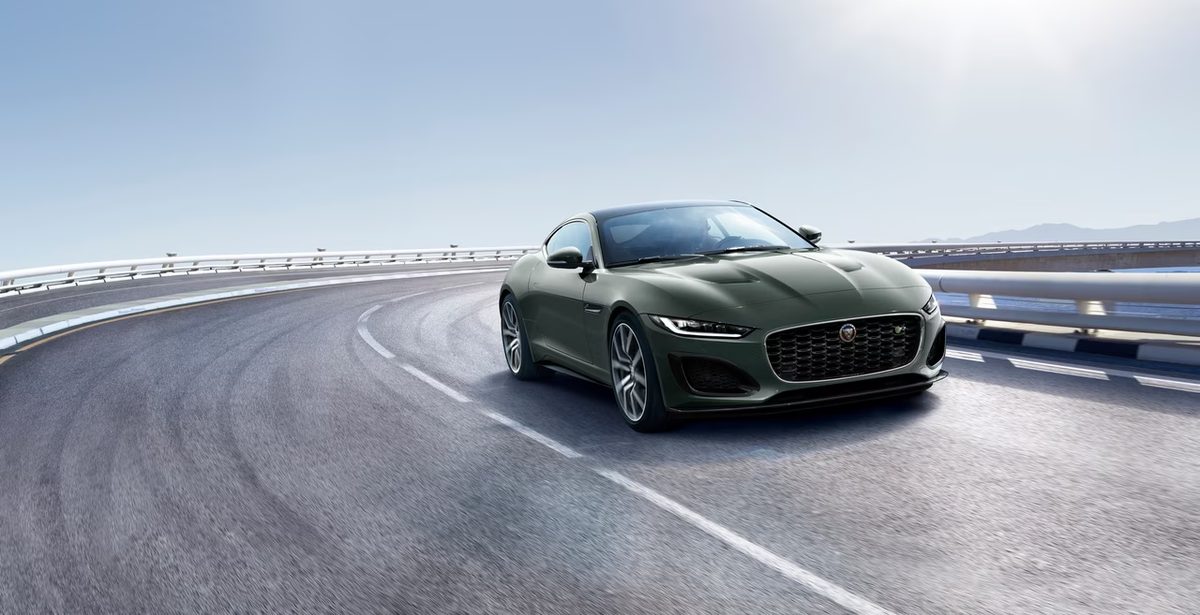
For Jaguar, the end of the internal combustion engine is not just around the corner. It’s there and it’s loud.
Jaguar Land Rover has just released a roadmap that’s less of a corporate press release and more of a survival manual. From 2025, the legendary British brand will go all-electric. No more gas guzzlers. No more hybrid placeholders. Only electrons. The goal? Zero carbon dioxide emissions by 2039.
Under the new CEO Thierry Bolloré, the Tata Motors Group is trying to “rethink” itself. That’s a polite way of saying they’re flipping the script on a brand whose reputation rests on its screaming V8 engines. Now the point is to make them whisper.
The price of Going Green
Here’s the catch. Do you want zero emissions? You pay for it.
Jaguar Land Rover is committing 2.5 billion pounds a year. This is serious capital. Most of this goes directly into the development and manufacturing infrastructure of electric vehicles. But money doesn’t just appear out of nowhere. If you’re moving billions into batteries and silicon, you’re going to have to source the resources elsewhere.
The company is open about collateral damage. Activities outside of production will decrease significantly in the UK. They don’t give any information on how many jobs will be lost. This silence is louder than the announcement itself.
Will there be layoffs? Likely. Are factories closing down? Not on the table.
Solihull’s Electric Future
The Solihull factory in central England is holding the line. While other facilities may become less important, Solihull is positioned as the heart of Jaguar’s new era. The production of the brand’s 100% electric platform It will house.
This is a strategic pivot. Solihull will become a fortress of a new identity. The old guard, the internal combustion specialists, are being phased out. A new guard, the engineers who build battery packs and electric motors are moving in.
That’s a massive bet. Can a luxury brand built on mechanical soul survive in an electric world? Can it retain its charm if the roar is replaced by a hum?
Thierry Bolloré wants change. The market is waiting to see if “green” will be enough to keep buyers from looking at Tesla, Porsche or emerging Chinese EV brands.
The 2025 cutoff is tight. Very tight. For a company that has been used to honing perfection for decades, this feels rushed. But the clock is ticking. Carbon neutrality is isn’t a suggestion. It’s a deadline.
What happens to Jaguar’s soul when the engine is gone? This is the question that hangs over every boardroom in Gaydon and Solihull. The answer is not in the press release. It’s in the silence that follows.
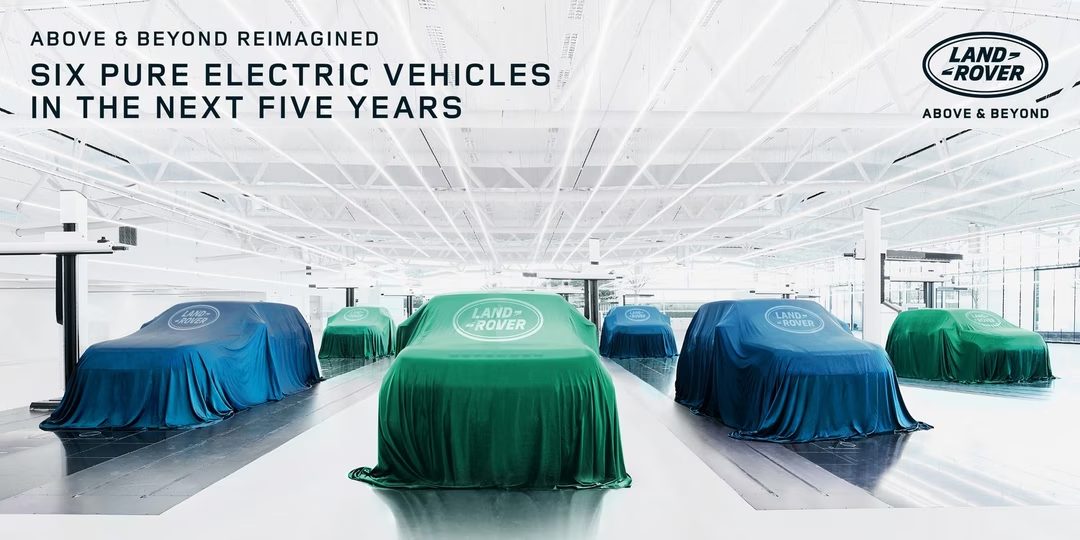
The electric off-roader is coming sooner than you think
The first fully electric Land Rover will enter the market in 2024.
This marks a clear turning point for the brand. While Jaguar is going all-electric, Land Rover has taken a more calculated approach. Plan? Six new all-electric models in the next five years. The debut car will appear next year. By 2030, the goal is simple: every model of both brands will be available in 100% electric form.
However, it’s not just about batteries. JLR is exploring the development of hydrogen to meet future demand. They are also working with Tata Group on clean energy and software infrastructure. Talking about money is serious. Operating margins must be in double digits. The net cash flow must be positive by 2025.
This strategy dates back to the painful pandemic era. The sector got hammered. JLR was not immune.
Last year, the company cut 1,100 temporary jobs in the UK. They had to turn to Chinese banks for a £560 million loan. Traditional emergency aid from the British government was not an option for them. Before the health crisis, the 2019 restructuring plan already required a reduction of 5,000 jobs.
The road back is paved with electric vehicles and difficult economic restructuring. The question is whether the hardware can be sold quickly enough to restore the balance sheet.