


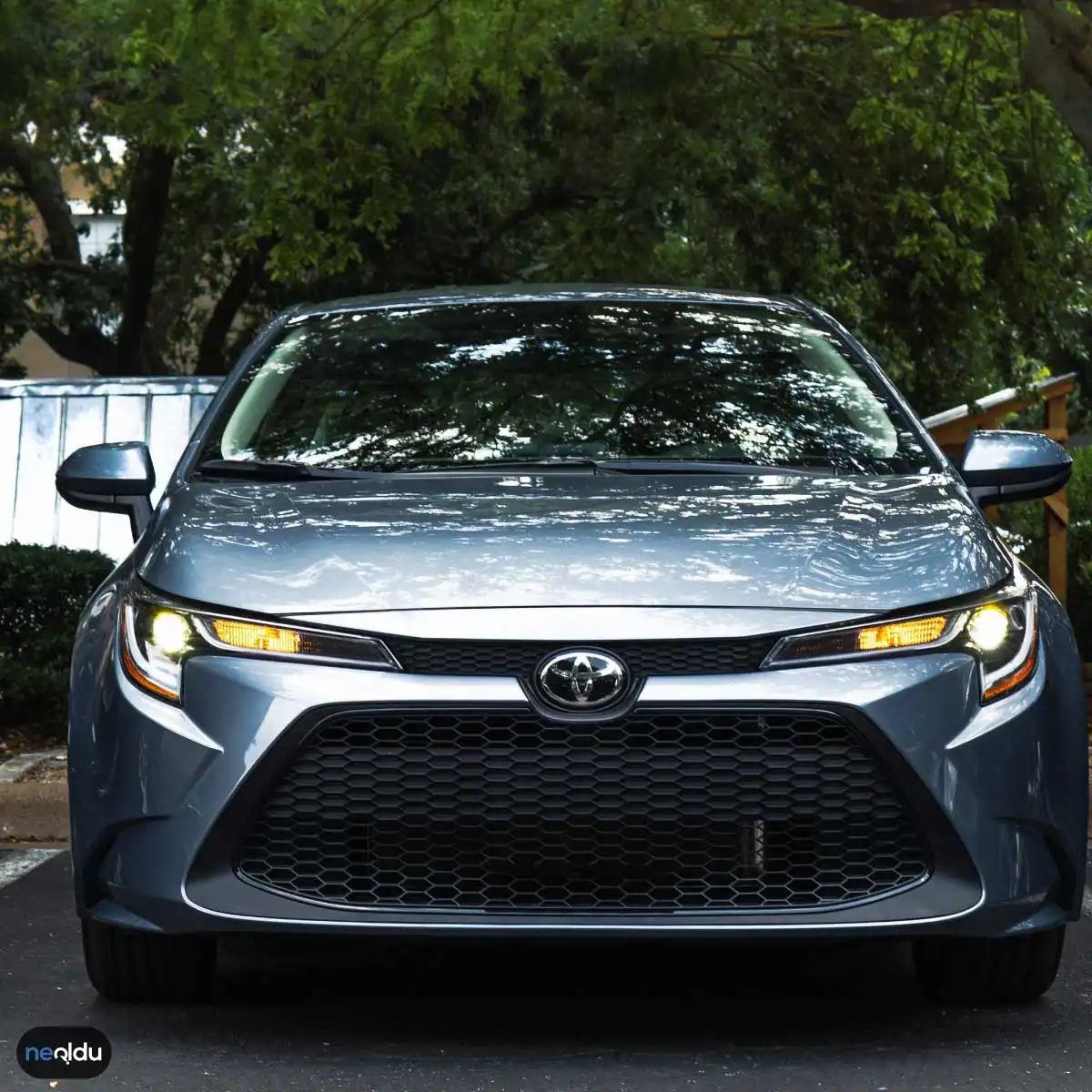
Cars aren’t just metal boxes. They are the silent partners in our daily grind, hauling us to work, school, and errands without complaint. Until they break. That is the nightmare scenario. The car that refuses to die, the one that never calls for a tow truck, is the holy grail of ownership.
The Toyota Corolla sits at the top of that list.
The Benchmark for Durability
You don’t buy a Corolla for speed. You buy it for silence. Specifically, the silence of a mechanic’s invoice. This compact sedan has spent decades proving that boring is beautiful. It handles potholes, bad weather, and neglect with a shrug.
Is it exciting? No. But it runs.
Reliability isn’t about horsepower. It’s about intervals. The Corolla consistently lands near the top of long-term reliability surveys because its engine and transmission don’t have a quirk that costs thousands of dollars to fix.
Why Owners Stay Loyalty
People keep Corollas for a decade. Some keep them for twenty. Why? Because maintenance is predictable. Oil changes, tire rotations, brake pads. That’s it.
- Low cost of ownership : Parts are cheap and everywhere.
- Simplicity : Fewer electronic gremlins means fewer surprises.
- Resale value : It holds its price better than almost any other compact car.
You don’t need a luxury badge to have a car that works. You need a Corolla.
Toyota Corolla: Why It Dominates the Reliability Rankings
If you have spent any time looking at lists of the world’s least problematic cars, one name hovers over the top spot: the Toyota Corolla. It is not a fluke. Toyota has held its position as an industry leader for decades, largely because it treats durability and safety as non-negotiable engineering constraints rather than marketing buzzwords.
The core of this reputation is simple. Solid engineering. Every new generation of the Corolla refines the standards set by the previous one. The manufacturing process is obsessive. Materials are checked, tolerances are tightened, and technology is applied where it actually matters. The result is a car that rarely asks for attention. It is built to last, which translates directly into a low risk of breakdown.
Then there is the fuel economy. The Corolla is not just tough; it is efficient. Optimized transmission systems and engine options keep consumption low whether you are crawling through city traffic or holding speed on the highway. It saves money in the tank, not just on the repair bill.
But what happens when things do go wrong? The answer is speed. Toyota has a massive global service network. Parts are everywhere. Mechanics know the platform. If you own a Corolla, a repair is rarely a crisis. It is a scheduled appointment. That accessibility removes a layer of anxiety that many other brands still carry.
Honda Civic: The Competitive Challenger
The Honda Civic sits right behind the Corolla, often trading places depending on the specific study or model year. Like the Corolla, the Civic is a benchmark for long-term dependability. It offers a similar promise of low-maintenance ownership, appealing to drivers who want a car that works without drama.
The Civic tends to feel a bit more driver-focused in its handling, but it does not sacrifice reliability for fun. It remains a top choice for those seeking a balance between everyday practicality and a touch of engagement. Like its Toyota rival, it benefits from a strong parts availability and a widespread dealer network, ensuring that ownership costs remain predictable.
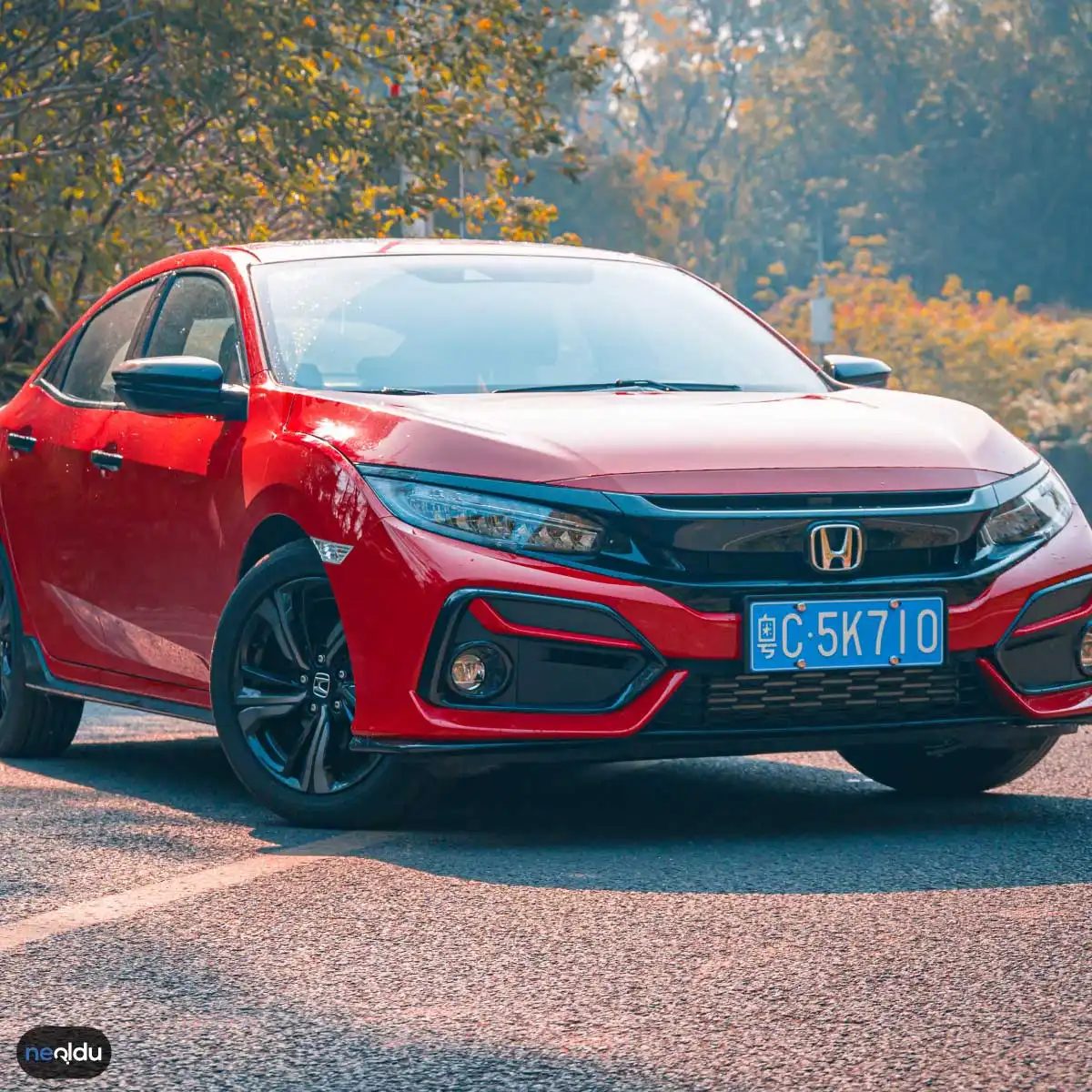

Honda Civic: Neden hata listesinde hep en sonda?
Honda Civic, o “sık arızalanan araçlar” başlığı altındaki tartışmalarda neredeyse hiç yer almaz. Markanın bu modeli, tutarlı mühendislik ve sıkı kalite denetimi sayesinde yıllardır güvenilirlik şampiyonluğunu kimseye kaptırmıyor. Honda mühendisleri, her nesildeki Civic’e en son teknolojileri entegre ederken, üretim bandında malzeme seçimini ve montaj hassasiyetini asla esnetmiyor. Sonuç? Arıza riski neredeyse sıfır.
Ama Civic sadece “bozulmaz” diye sevilmemeli. Dikkatli direksiyon hissi, keskin yol tutuşu ve güçlü motor seçenekleri, onu donuk bir aile arabasından dinamik bir sürüş deneyimine taşıyor. Üstelik bu performans, yüksek yakıt verimliliğiyle dengeleniyor. Optimize edilmiş şanzıman ve çevre dostu motor teknolojileri, Civic’i hem heyecan verici hem de cüzdan dostu kılıyor.
Lexus RX: Lüks ve dayanıklılık aynı yerde
Lexus RX, güvenilirlik sıralamasında Honda’nın hemen arkasında, hatta bazı yıllarda karşılıklı pozisyon değiştiren bir diğer isim. Lexus, Toyota’nın lüks kanadı olarak, alt markanın mekanik sağlamlığını lüks kabine taşıyor. RX serisi, özellikle uzun ömürlü motor blokları ve düşük bakım maliyetleriyle öne çıkıyor.
Sürücüler, “Lexus RX neden bu kadar dayanıklı?” diye soruyor. Cevap, Toyota’nın global üretim standartlarının Lexus kalitesine entegre edilmesinde yatıyor. RX, gösterişli bir dış cepheye rağmen, alt yapısında o meşhur Toyota disiplini taşıyor. Bu da onu, uzun vadede pahalı lüks rakiplerine karşı cazip bir alternatif haline getiriyor.
RX’in yakıt ekonomisi, benzinli ve hibrit seçeneklerine göre değişmekle birlikte, sınıfının ortalamasının üzerinde bir performans sunuyor. Hibrit versiyonlar, şehir içi kullanımda ciddi bir maliyet avantajı sağlarken, standart benzinli motorlar da yüksek kilometrelerde dahi stabilite gösteriyor. Lexus RX, “lüks ama baş ağrıtıcı değil” diyenler için ideal bir denge noktası.
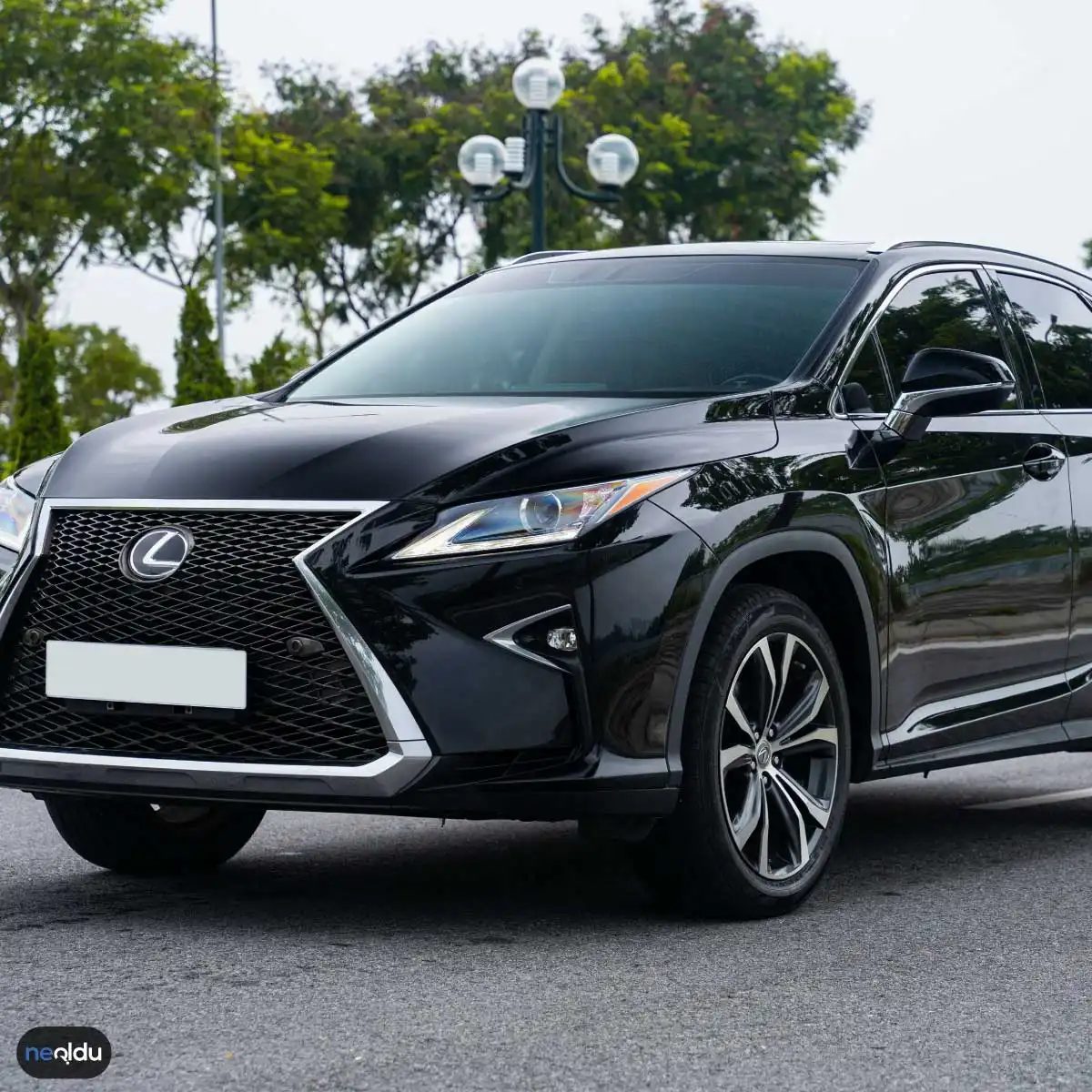
Why the Lexus RX Outperforms Its Rivals in Luxury and Reliability
Lexus operates as Toyota’s premium arm, but the RX is where the brand really proves its worth. It isn’t just a badge; it is a package of refinement that rivals the German competition without the price tag. The interior is a study in tactile quality. Soft-touch leather, genuine wood veneers, and a digital interface that actually makes sense. You sit in the driver’s seat and the cabin feels isolated from the road. That is the point. It is not about speed; it is about silence and comfort.
Reliability is the quiet superpower here. The assembly processes at Lexus are strict to the point of obsession. Every component gets checked. This isn’t marketing fluff; it translates to low failure rates. You buy an RX for the long haul. It holds its value and keeps running. The engineering focus isn’t on breaking down for a quick fix; it is on lasting.
Safety systems are baked into the architecture. The Lexus Safety System+ is standard on most trims. This includes adaptive cruise control, lane departure warning, and automatic emergency braking. Blind-spot monitoring isn’t an add-on; it is expected. The car reacts before you do. If you are hauling a family or towing, that extra layer of defense matters more than a higher horsepower rating.
Performance? Don’t expect a track day. The RX is a cruiser. The available 2.4-liter turbocharged four-cylinder pushes 275 horsepower, while the 3.5-liter V6 outputs 303. Both are paired with an 8-speed automatic. The ride is smooth, almost floating. The steering is light, tuned for highway stability rather than corner carving. If you want to go off-road, you are in the wrong vehicle. This is a tarmac machine.
For the eco-conscious buyer, the RX 450h hybrid is the sweet spot. It delivers 302 horsepower combined with impressive fuel economy. It is the best way to get the power without the thirst. The electric motor smooths out the transitions, making the drive feel even more effortless.
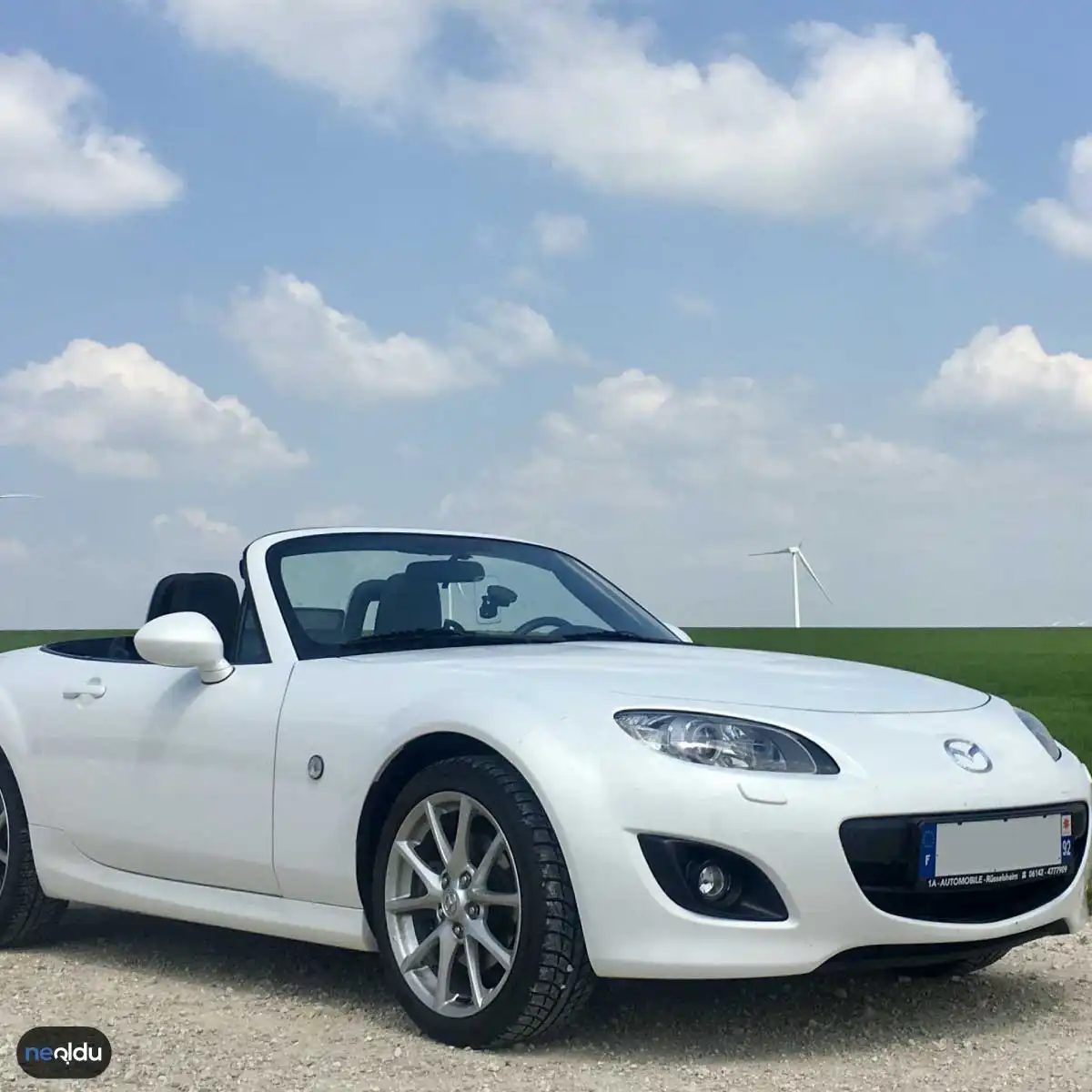
Mazda MX-5: The Lightest Sports Car Still Selling New
The Mazda MX-5 Miata remains the global benchmark for affordable, high-frequency driving. It is not the fastest in a straight line, nor the most luxurious in the cabin. It is, however, the car that makes the act of steering feel like a conversation.
Mazda has obsessed over mass reduction since the original NA model in 1989. The current ND generation, introduced in 2015, weighs approximately 2,530 lbs (1,147 kg) in its base form. This low curb weight allows the standard 2.0-liter naturally aspirated inline-four engine, producing 181 hp and 151 lb-ft of torque, to achieve a power-to-weight ratio that rivals cars with twice the price. The result is a chassis that feels connected to the tarmac in a way modern electric or turbocharged rivals often miss.
The driving dynamics rely on a rear-wheel-drive layout and a 6-speed manual transmission. The 6-speed automatic is available but lacks the engagement of the manual. For enthusiasts, the manual is the only real option. The car’s turning radius is tight, and the steering rack provides direct feedback without excessive artificial weighting.
Why the MX-5 Outlasts Most Rivals
Reliability is not an accident here. It is a byproduct of simplicity. The MX-5 uses a naturally aspirated engine without complex turbocharger plumbing, variable valve timing systems, or high-pressure fuel injection. There are fewer parts to fail. Mazda’s long-term ownership studies consistently place the MX-5 in the top tier for low repair costs.
The soft top roof, standard on most trims, adds to the lightness. It folds down in under 20 seconds. The Skyactiv architecture, which debuts with this generation, optimizes the engine, transmission, and chassis to work as a single unit. The engine runs leaner and uses a higher compression ratio (13:1) than conventional designs, improving efficiency without sacrificing responsiveness.
Comparing the MX-5 to the Toyota 86 and Subaru BRZ
How does the MX-5 compare to its platform-sharing sibling, the Toyota GR86, and its cousin, the Subaru BRZ? All three share a similar philosophy: lightweight, rear-wheel-drive, and driver-focused.
- Weight: The MX-5 is significantly lighter. The GR86 and BRZ weigh around 2,700-2,750 lbs. The extra mass gives the Toyota/Subaru duo more stability at high speeds and a more substantial feel in the seat, but it kills the agility the Mazda prioritizes.
- Power: The GR86 and BRZ offer a 2.4-liter engine producing 228 hp. The MX-5’s 181 hp feels adequate because the car is so light. However, on a track or steep climb, the extra 47 hp from the Toyota/Subaru engines is noticeable.
- Interior Space: The MX-5 is a two-seater with minimal headroom. The GR86 and BRZ offer slightly more rear-seat space (though it is still tight) and a larger trunk. For daily driving with occasional passengers, the GR8
6. Hyundai Elantra: The Underrated Compact That Outlives Its Rivals
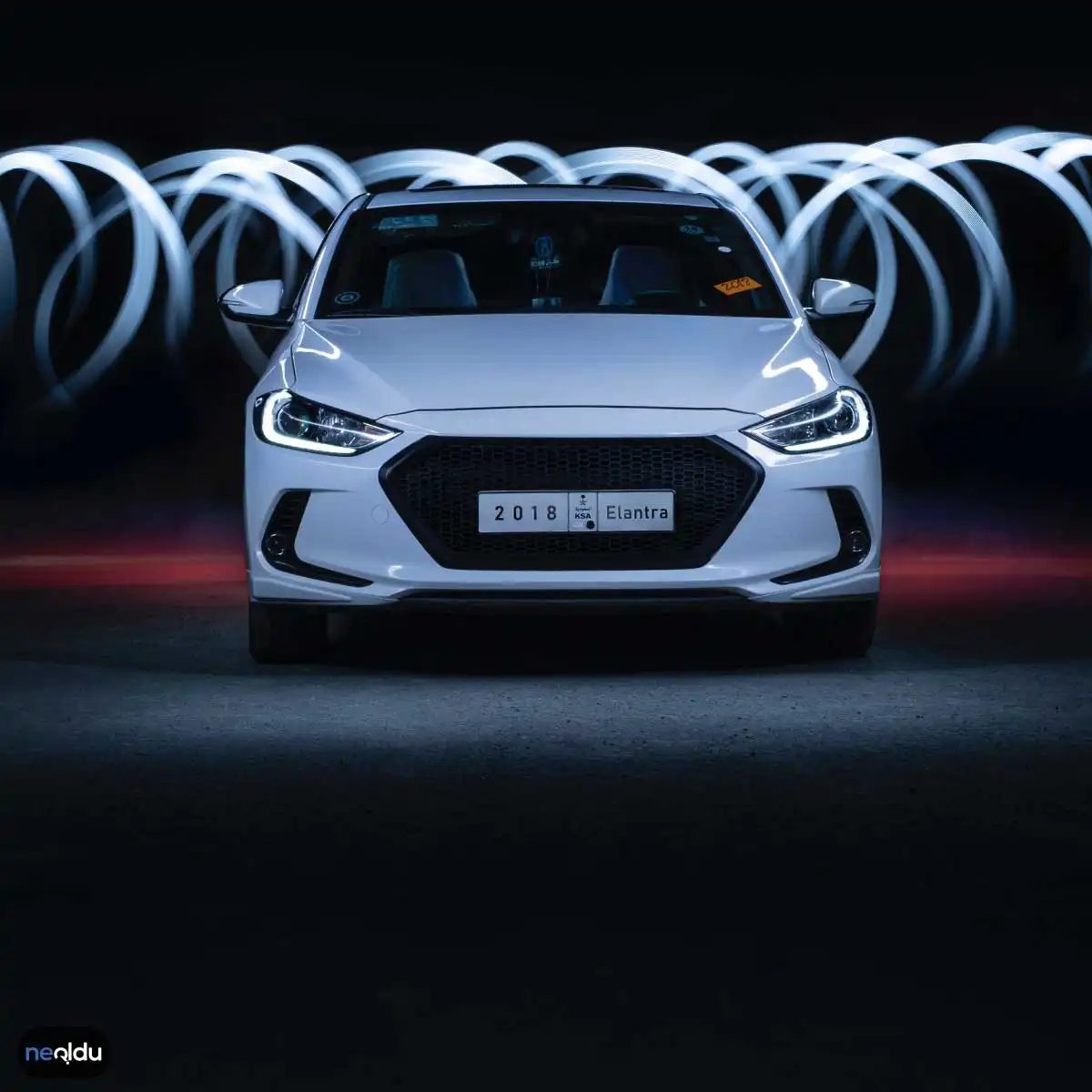
If the MX-5 is the soul of motoring, the Hyundai Elantra is the backbone of practicality. While Mazda sells you a feeling, Hyundai sells you a machine that refuses to die. It sits in a segment dominated by German engineering and Japanese reliability, yet it holds its own with a specific brand of durability that surprises even the skeptics.
Why the Elantra Holds Up Better Than Most
The Hyundai Elantra isn’t the most exciting car to drive. It is, however, one of the most resilient. Its architecture prioritizes longevity over thrills, resulting in a vehicle that often outlasts the trend cycle. The powertrain components are designed for consistency rather than peak performance spikes, which means fewer surprises for the owner.
- Engine durability : The standard 2.0L and 1.6L turbo options are built to handle high mileage without major intervention.
- Transmission reliability : The 6-speed automatic and 7-speed DCT units have seen significant improvement in recent generations, reducing the common complaints of earlier models.
- Body corrosion resistance : Hyundai has ramped up its anti-corrosion treatments, a critical factor in regions with harsh winters or coastal environments.
How It Compares to the Mazda MX-5
You’re not buying an Elantra to feel the G-forces on a mountain pass. You’re buying it because it works. The MX-5 has a lower weight and a more rigid chassis for handling, but the Elantra offers a more spacious cabin and a higher level of electronic safety integration.
“Reliability isn’t about never breaking. It’s about breaking less often and fixing it cheaper.”
The Elantra’s stability control and braking systems are tuned for safety over agility. You won’t find the razor-sharp steering feedback of the MX-5 here. Instead, you get a predictable, planted feel that makes daily commuting less fatiguing. The compact size helps in tight city parking, but the wheelbase is long enough to provide decent highway stability.
Which Elantra Model Should You Buy for Long-Term Durability?
If you’re looking at the used market, the 2017+ models are the sweet spot. They introduced the newer platform and improved transmission logic. Avoid the earlier 2013-2015 models if you’re sensitive to DCT shudder, though many have been patched with software updates.
- 2018-2020 Elantra : The 1.6T engine is strong but slightly thirsty. The 2.0L NA is the fuel-sipper.
- 2021+ Elantra : Updated styling and tech, but the mechanical core remains robust.
The Hyundai Elantra doesn’t ask for your attention. It just asks you to start it, drive it, and ignore it. For many owners, that’s the most attractive feature of all.
Kia Soul: The Boxy Compact That Defies Reliability Trends
Kia Soul sits in a strange corner of the compact crossover segment. It looks like a box. It drives like a hatchback. And somehow, it ends up near the top of lists detailing the least frequently repaired cars in the world.
This isn’t accidental. Kia has spent the last decade calibrating its small engines and transmission pairings to prioritize durability over peak performance metrics. The result is a vehicle that doesn’t just survive the warranty period; it often outlasts it with minimal intervention.
Why the Kia Soul Shows Up on Low-Arrears Lists
The core of the Soul’s reliability reputation lies in its powertrain simplicity. Unlike complex turbocharged four-cylinders found in some European rivals, the standard Soul configuration relies on a naturally aspirated engine that produces less torque but places significantly less stress on internal components over time.
For owners searching for “which compact crossover has the lowest repair costs,” the Soul frequently appears. The engineering philosophy here is straightforward. Fewer moving parts means fewer things to break. The transmission, often a standard automatic, is tuned for smooth engagement rather than aggressive upshifts, reducing wear on clutches and bands.
Interior Durability and Practical Layout
The cabin layout prioritizes utility. The high roofline allows for unusual headroom, but the real value is in the material choices. Kia uses hard-wearing plastics in high-contact areas, like the door panels and center console. These materials resist cracking and fading better than the softer, vinyl-wrapped surfaces found in premium segments.
“The Soul is designed to be maintained, not replaced.”
This mindset extends to the infotainment system. While not as feature-dense as some Japanese rivals, the interface is responsive and less prone to software glitches that can brick the system. Physical buttons for essential climate controls remain, a design choice that has proven more reliable than full touchscreen dependency over years of use.
Comparing Soul Reliability Against Segment Rivals
When you compare the Kia Soul to the Nissan Juke or the Honda HR-V, the data skews heavily in Kia’s favor. The Juke, for example, has a history of CVT transmission issues that drive up long-term ownership costs. The HR-V is solid, but the Soul often edges it out on average annual repair expenses due to its cheaper parts and widespread service network.
Is it the most exciting car to drive? No. The steering is light, the ride is somewhat firm, and the highway refinement is average. But if your goal is to drive for ten years without a major mechanical overhaul, the Soul checks the box. It trades dynamic engagement for mechanical longevity, a trade-off that appeals to a specific type of buyer.
The market has shifted toward hybrids and plug-ins, and the Soul is becoming less common in showrooms. But for those who still need a traditional internal combustion engine with proven durability, the underlying mechanical architecture remains one of the safest bets in the compact class. Whether that holds true as new platforms arrive is another question entirely.

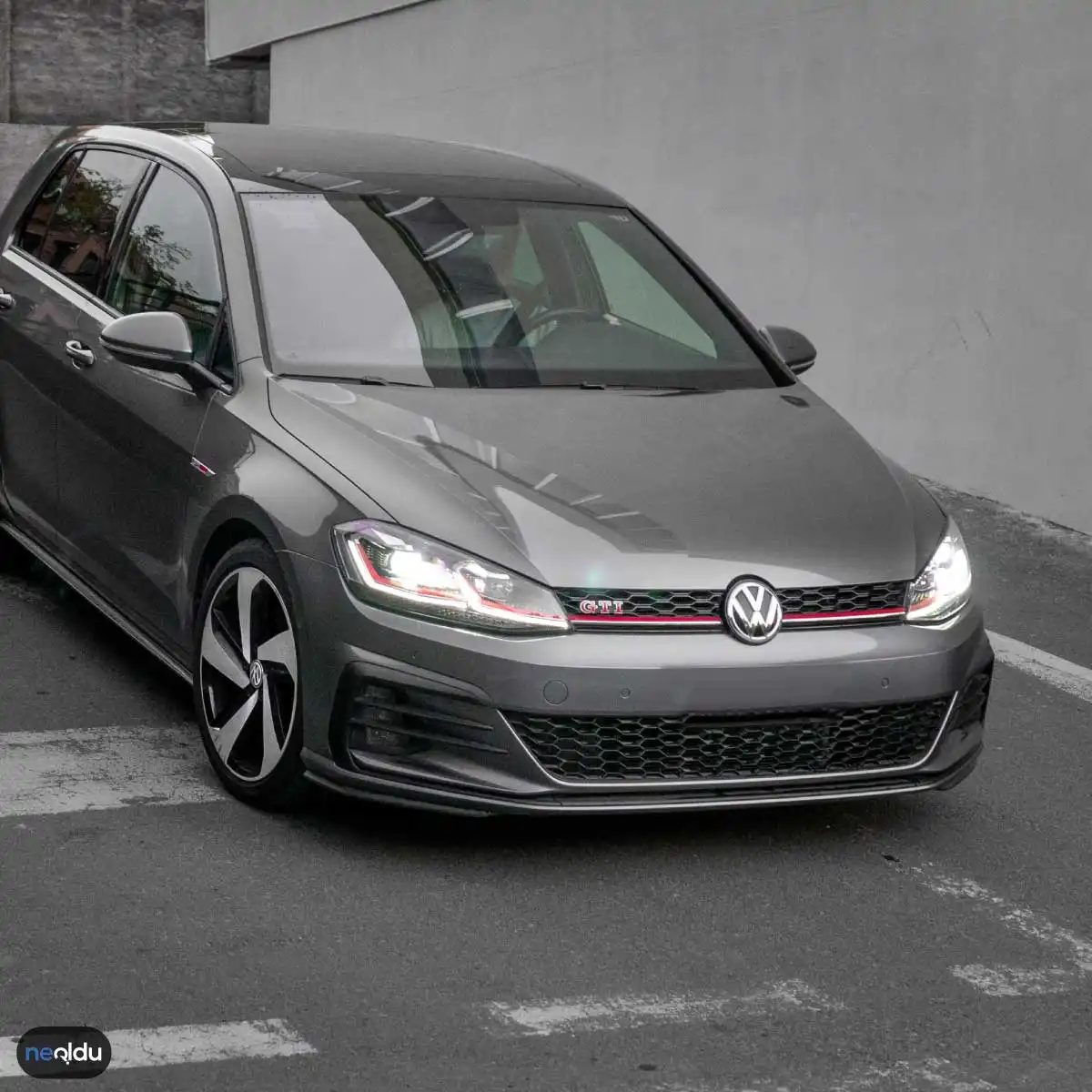
8. Volkswagen Golf
Kia Soul, arızalardan uzak duran ve güvenilirliğiyle dikkat çeken bir otomobil olarak ön plana çıkıyor. Kia’nın karakteristik tasarım anlayışını yansıtan Soul, kompakt hatchback segmentinde kendine özgü bir tarza sahip. Hem şehir içi kullanıma hem de uzun yolculuklara uygun olan Kia Soul, sağlam bir yapıya sahip olmasıyla bilinir.
Motor seçenekleri ve teknolojik özellikleriyle de kullanıcılarına geniş bir seçenek sunar. Kia markasının sağlam bir üne sahip olmasıyla birlikte, Soul modeli de güvenilirliğiyle bu üne katkıda bulunuyor. Arızaların nadir görüldüğü ve dayanıklı parçalardan oluştuğu bilinen Kia Soul, sürüş keyfini sorunsuz bir deneyime dönüştürmeyi hedefler.
Ford Fusion: Understated but Capable
The Ford Fusion sits comfortably on the list of vehicles known for low failure rates. It doesn’t scream for attention like a Ferrari, nor does it try to be the next Tesla. It’s a sedan built to last.
Reliability is its headline feature. Long-term owners report fewer unexpected repairs compared to many competitors. Why does it stick around so well? The architecture is mature. Parts are plentiful. Mechanics know the platform inside out.
Inside, the cabin feels dated to some eyes, but that’s not the point. The materials hold up well. The seats don’t fall apart after three years. The infotainment system is functional, not flashy. You press a button, it works. That’s all you need.
Performance varies by trim. The base models offer adequate power for city driving. The Hybrid and Energi (plug-in) variants extend range and improve fuel economy. The EcoBoost versions deliver punch without the thirst. Which one to pick?
If you care about fuel economy, look at the Energi or Hybrid. If you want a bit more throttle response, the EcoBoost 1.5L or 2.0L engines are solid choices. The V6 is overkill for most, unless you’re hauling something heavy and ignoring the MPG hit.
Service network? Ford has them everywhere. That matters when you’re 400 miles from home and something goes wrong. The Fusion isn’t the sexiest choice in the showroom. But it’s not trying to be. It’s trying to get you from A to B, repeatedly, without a tow truck call.
That’s a quiet kind of reliability. Hard to brag about, but easy to live with.

10. Nissan Sentra
Nissan Sentra, bütçe dostu sedan arayanların radarında sürekli yer tutar. Ford Fusion kadar gösterişli olmasa da, günlük kullanımda sıkıntı çıkarmayan, akıllıca tasarlanmış bir araç. Japonya’dan gelen bu kompakt sedan, özellikle güvenilir Nissan Sentra arayanlar için mantıklı bir alternatif.
Arka koltukta oturacaklar için yeterli bacak mesafesi var. Bagaj hacmi, sınıf ortalamasının biraz üzerinde. Bu, şehir içi alışverişten aile tatiline kadar pek çok senaryoda işe yarar.
İç mekan plastik ağırlıklı hissedebilir. İlk bakışta ucuz duruyor. Ama dokundukça kalite artıyor. Nissan, dokunuş noktaları konusunda dikkatli davranmış. Koltuklar, uzun yolculuklarda omurganızı yormuyor.
Motor ve Sürüş Dinamikleri
2.0 litrelik dört silindirli motor, 149 beygir güç ve 146 Nm tork üretiyor. CVT şanzıman, hızlanma sırasında sarsıntıyı en aza indiriyor. Bu kombinasyon, yüksek performans için değil, verimlilik için tasarlanmış.
Yakıt tüketimi rakip araçlara göre biraz daha iyi. Litre başına kilometre değeri, uzun vadede cüzdanınızı korur. Direksiyon hassasiyeti, park yerinde manevra yapmayı kolaylaştırıyor. Yol yüzeyindeki küçük çukurları filtreler.
Güvenlik ve Teknoloji
Nissan, Sentra’yı temel güvenlik standartlarıyla donattı. Ön, yan ve perde havuçlar standart. Çarpışma öncesi frenleme sistemi, ani duruşlarda hayat kurtarıcı olabilir.
Lateral collision warning (yan çarpışma uyarısı), kör nokta algılama özelliğini tamamlar. Park sensörleri, dar sokaklarda geri manevrada işe yarar. Sesli uyarılar, görsel göstergelerle birlikte çalışır.
Neden Sentra?
Fiyat/performans oranı, bu segmentte öne çıkar. Düşük bakım maliyetleri, uzun vadeli sahiplik için avantaj sağlar. Nissan’ın motorları, yüksek kilometrelerde bile sorunsuz çalışma eğilimindedir.
Karşılaştırma tablosu, rakip araçlarla Sentra’nın farklarını net gösterir:
- Bagaj hacmi: 417 litre
- Yakıt tüketimi (şehir): 6.5-7.0 L/100km
- Garanti: 3 yıl / 100,000 km
Sentra, lüks aramayan, sadece güvenilir bir ulaşım aracı isteyenler için ideal. Sürüş keyfi, konfor ve güvenlik arasında dengeli bir paket sunar.
Why the Nissan Sentra’s Reliability Reputation Holds Up
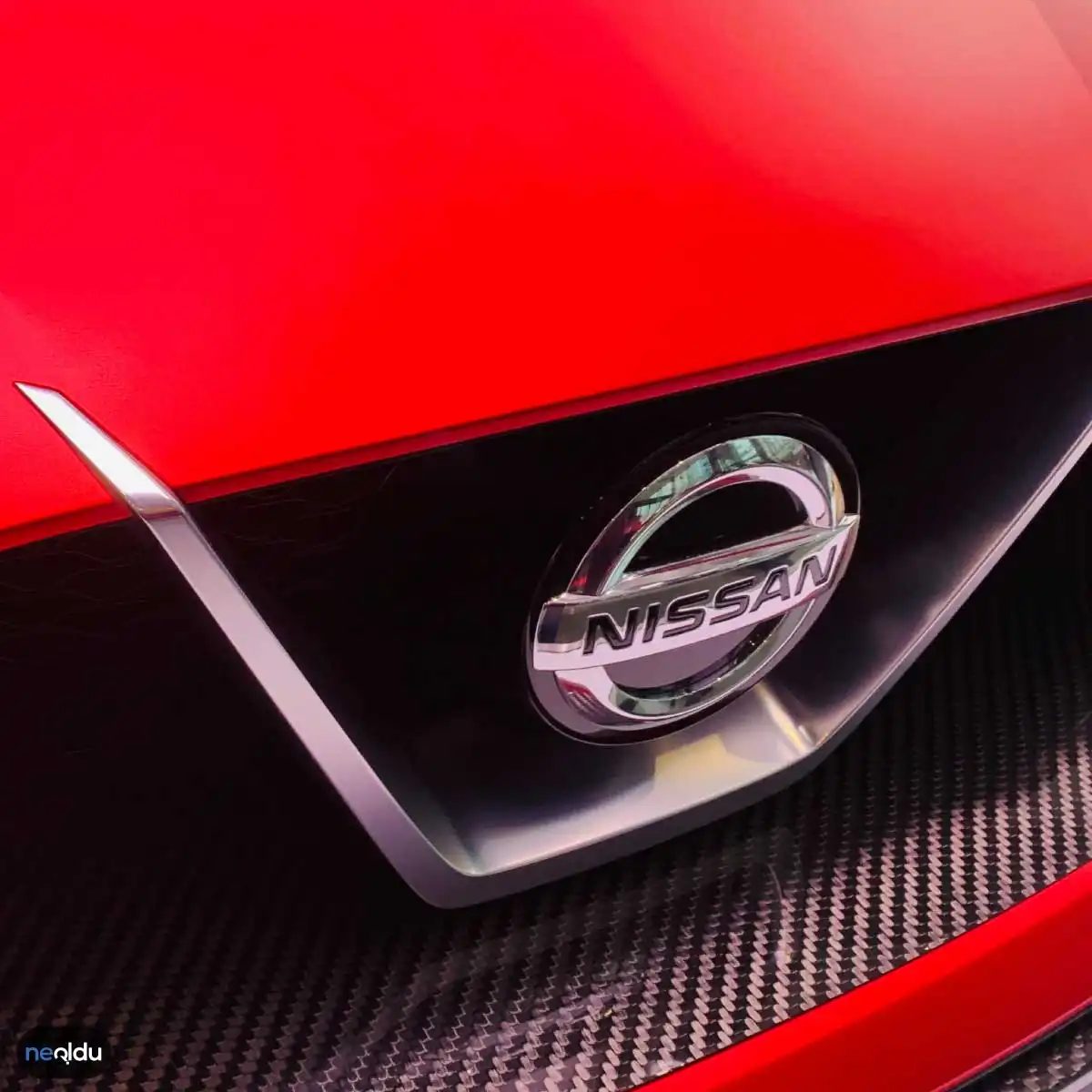
People love the Nissan Sentra because it just works. That is the whole point. You do not buy a compact sedan to chase lap times or flex engine swaps. You buy it to get to work, pick up groceries, and not spend your weekend in the shop. Nissan knows this. The engineering team treats the platform with a conservative, durability-first mindset.
The build quality is solid. The interior feels durable, even if the materials are not luxury. Comfort levels are high for the price point. The cabin is quiet enough for long highway stretches without getting annoying.
Tech features are standard where they matter. You get the connectivity you expect without feeling like you are driving a spaceship. The focus remains on the driving experience. It is stable. It is predictable.
Fuel Economy and Maintenance Costs: The Real Numbers
Why do people keep these cars for a decade? The running costs are low. The Sentra sips fuel. Depending on the specific engine variant and drivetrain, you will see strong MPG figures that beat many larger SUVs and trucks.
Maintenance is straightforward. Parts are cheap. Labor is standard. You will not pay a premium to keep it running. This is why the long-term ownership cost is so attractive. Compare it to a similarly sized competitor, and the Sentra usually comes out ahead on total cost of ownership over five years.
“Low fuel consumption and low maintenance costs are the twin pillars of the Sentra’s appeal.”
You are not buying a performance car. You are buying a low-stress commute. The 1.8-liter four-cylinder or the newer 2.0-liter unit (depending on the model year and market) delivers enough power to get you moving without screaming. It is not thrilling. It is not the point.
Common Failure Points to Watch
No car is perfect. The Sentra has its quirks. Knowing them helps you avoid expensive surprises.
- CVT Transmission Behavior: The Xtronic CVT is reliable in many hands, but some owners report shudder or hesitation during cold starts or low-speed acceleration. It is not a catastrophic failure for most, but it is the most common complaint. Keep fluid changes on schedule. Do not skip them.
- Engine Oil Dilution: Older model years, specifically those with the 2.0L MR20DE engine, have had issues with oil dilution from fuel. This can lead to engine wear if caught too late. Check oil levels frequently if you drive short distances in cold climates.
- Interior Trim Creaks: The dashboard and door panels are not the tightest fits in the segment. You will hear them. It is cosmetic. It will not break the car, but it does add to the “economy car” feel.
- Brake Pad Wear: The front pads wear faster than some competitors. This is a minor inconvenience. Replace them when needed. Do not wait until you hear the metal-on-metal screech.
The electrical system is generally stable. You will not have ghost warnings or random screen failures as often as you might in a German luxury brand or a tech-heavy EV. The electronics are simple. They work.
How the Sentra Compares to Its Rivals
The Honda Civic and Toyota Corolla are the main competitors. They are all excellent choices.

Akü, Lastik ve Yakıt: Neden Her Araba Bunlarla Mücadele Eder?
Her araç, ne kadar pahalı olursa olsun, zamanla yıpranır. Bir gün sabah kontağı çevirdiğinizde o bildik “klik” sesi mi geliyor? Bu muhtemelen akünüzle ilgili. Akü, aracın elektrik ihtiyacını karşılayan can damarıdır. Sık kullanımda doğal olarak aşınır. Düşük voltaj, zayıf akünün en belirgin sinyalidir. Bazen sorun sadece voltaj değildir; korozyon veya gevşek bağlantılar da aküyü çöpe gönderebilir.
Lastikler de benzer bir kaderi paylaşır. Yol tutuşu ve sürüş güvenliği doğrudan lastiklere bağlıdır. Hava basıncı düşük mü? Patlak var mı? Desen aşınmış mı? Bunlar basit ama sık görülen sorunlar. Düzenli kontrol ve bakım, lastiklerin ömrünü uzatmanın tek yolu.
Yakıt sistemi ise motorun nabzı. Yakıtı doğru oranda ve zamanında almalı. Yakıt pompası arızası, enjektör sorunları veya tıkanmış yakıt filtresi, motorun zor çalışmasına ve performans kaybına yol açar. Yakıt verimliliği düşer, araç isteksizleşir. Bu tip arızalar, küçük bir bakımdan kaçınmanın bedelidir.
Modern araçların karmaşık elektrik ağı, başka bir zayıf halkadır. Farlar yanmıyor, sis lambaları ölü, arka kamera dondu mu? Kilitler takılı kaldı ya da gösterge paneli hatalı veriler mi gösteriyor? Bunların hepsi, kısa devreler veya bağlantı noktalarındaki aşınmalardan kaynaklanır.
Ve frenler. Güvenlik için en kritik bileşen. Fren sistemi arızası, panik yaratır. Pedal sertleşebilir, frenleme gecikebilir veya ani frenlerde sorun yaşanabilir. Fren balataları, diskler veya hidrolik hatlar sorunluysa, bu sadece bir “arıza” değil, ciddi bir güvenlik riskidir.
Uzun Ömürlü Araba Seçimi: Hangi Modeller Dayanıklılıkla Öne Çıkar?
Uzun ömürlü araba seçimi yaparken sadece marka adını değil, mekanik sadelik ve parça erişimini de değerlendirmeli. Piyasada, on yıllık kullanım sonrası bile ciddi masraflar gerektirmeyen, “sık bozulmaz” olarak bilinen bazı modeller var.
Toyota Corolla ve Honda Civic gibi modeller, sıradan bir sürücü için idealdir. Mekanik yapıları basittir, parça bulmak kolaydır ve bakım maliyetleri düşüktür. Bu araçlar, “nasıl uzun ömürlü olur?” sorusunun cevabı gibidir: Karmaşık elektronik sistemlerden kaçınmak ve test edilmiş mekanik parçalar kullanmak.
Subaru Outback veya Toyota RAV4 gibi SUV’ler,

How to pick a long-lasting car without breaking the bank
Buying a car isn’t just about the immediate drive. It’s a bet on the next decade of maintenance logs. You want low failure rates. You want durability. You want parts that don’t vanish when they break.
Reliability reports are your map. They aggregate user feedback, sales stats, and independent research. Some brands stand out for a reason. Toyota, Honda, Subaru, and Lexus consistently show up as producers of long-lived vehicles. Their structures are solid. Their defect rates are low.
Why durability tests matter more than brochures
A car built for hard conditions survives. One built for a showroom dies on the highway. Look at the engine. Check the transmission performance. Assess the suspension and brake quality. These components dictate how long the metal lasts.
Research how manufacturers run their durability tests. Ask which materials they use. This data separates marketing fluff from engineering reality.
Does your maintenance routine actually extend car life?
Yes. It is the single biggest variable you control. A car needs regular service to run smooth.
- Service network: Check if the brand has a wide reach.
- Parts cost: Are replacements cheap or exorbitant?
- Availability: Can you find parts locally?
Some brands make this easy. They have broad service networks and affordable spares. This lowers the friction of keeping the car alive.
Which specific models break down the least?
While specific failures vary by model, the Japanese crowd dominates the low-failure list.
- Honda
- Toyota
- Subaru
- Lexus
- Mazda
These names are synonymous with minimal trouble.
How can you prevent breakdowns before they happen?
You can’t stop time, but you can mitigate it. Follow the manufacturer’s service schedule. Do not skip intervals. Early diagnosis catches small issues before they become catastrophic failures.
Do fuel types change your risk of failure?
Yes. Different fuels create different failure modes.
- Diesel: Prone to specific fuel system issues.
- Gasoline: Can struggle with fuel injection problems.
The potential for failure shifts based on the fuel type. Know what you are buying.
Is an automatic transmission less reliable than a manual?
Generally, yes. Manual gearboxes are simpler. Simpler things break less. Automatic transmissions have complex internal structures. That complexity increases the potential for failure.
However, context matters. Proper maintenance and correct usage affect the longevity of both types. A well-cared-for automatic often outlasts a neglected one.
Which car parts break most often?
Failure probability depends on the part type and usage. But some components are known troublemakers.
- Generators
- Batteries
- Spark plugs
- Brakes
- Clutches
- Water pumps
- Fuel injectors
These are the usual suspects. Keep an eye on them during your inspection.


