


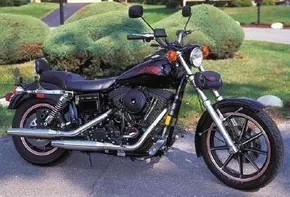
Harley-Davidson has a long history of making one-off models to honor its biggest annual event, but the 1991 FXDB Sturgis remains a standout. This sleek, black machine wasn’t just another custom build. It was a specific tribute to the 50th anniversary of the Sturgis Motorcycle Rally in South Dakota. If you are looking for the 1991 Harley-Davidson FXDB Sturgis specifications or details on why this model is so distinct, you are in the right place.
The Evolution of a Celebration Model
The relationship between Harley and the Black Hills rally goes back further than most riders realize. The company first released a special commemorative model in 1982. That bike was raw, featuring the legendary Shovelhead V-twin engine mounted directly between the frame rails. It was a celebration on two wheels, but the engineering would change drastically by the next decade.
By 1991, Harley was ready for its next rolling tribute. The result was the FXDB Sturgis. This wasn’t a retro throwback. It was built on the newer Dynaglide chassis, a platform designed for better handling and comfort. Under the hood sat the Evolution V-twin engine, known as the “Evo,” which Harley had introduced in 1984. This engine was more reliable and powerful than its predecessor, making it a better fit for a high-profile anniversary model.
Design and Aesthetics
The visual identity of the 1991 Sturgis was bold and unmistakable. The paint scheme was dominated by a deep black base, accented with bright orange trim. This wasn’t an arbitrary choice. Orange and black were Harley-Davidson’s corporate colors at the time, tying the special edition directly to the brand’s identity.
What made this bike truly unique, however, was how little chrome it used. Most Harleys are chrome-heavy affairs. The FXDB Sturgis broke that mold. Chrome was reserved only for the forks, the exhaust pipes, and a few minor trim bits. The rest of the bike was matte, black, and understated. This minimalist approach gave the motorcycle a serious, almost menacing look that set it apart from the standard lineup.
Why It Matters
The 1991 FXDB Sturgis was more than just a pretty paint job. It marked a shift in how Harley approached special editions. They were moving away from the raw, mechanical feel of the early ’80s models and embracing a more refined, modern aesthetic. The combination of the Evo engine and the Dynaglide chassis made this bike a practical celebration of the rally, not just a showpiece.
For collectors, the 1991 Sturgis is a niche but highly regarded model. It represents a specific moment in Harley’s history where the company was balancing tradition with modern engineering. The black and orange color scheme remains iconic, instantly recognizable to anyone who knows their motorcycles.
“The 1991 Sturgis marked a turning point in special edition design, blending corporate identity with a stripped-down, aggressive aesthetic.”
If you are hunting for a piece of Harley history, this bike offers a rare combination of anniversary significance and
Most Harleys of that era were drowning in chrome. It was the language of the brand—shiny, reflective, and everywhere. The 1991 Harley-Davidson FXDB Sturgis broke that pattern. It used chrome sparingly, creating a silhouette that felt more like a street fighter than a cruiser. This wasn’t just an aesthetic choice; it was a shift in how the Sturgis model positioned itself within the Softail lineup.
The Chrome Restraint
Why did the Sturgis strip back the shine? In 1991, Harley was still heavily associated with that “full dress” aesthetic. The Sturgis, named after the famous rally, leaned into a cooler, more subdued vibe. By limiting chrome to the essentials, the bike emphasized its lines and its mechanical presence.
This restraint made the FXDB stand out. While competitors and even other Harleys were blinding you with polished exhaust pipes and fenders, the Sturgis kept things matte and raw. It appealed to riders who wanted the Softail platform but hated the glare.
Key Details and Context
If you are looking for specific specs on the 1991 Harley-Davidson FXDB Sturgis, note that it shared the Softail frame but featured a unique front end and exhaust setup. The limited chrome wasn’t a cost-cutting measure. It was a design statement.
For enthusiasts digging into vintage Harleys, the FXDB Sturgis is a niche but significant model. It represents a pivot point where Harley began experimenting with less ornate finishes without losing the brand’s core identity.
Where to Find More
If you want to dive deeper into this era of motorcycle history, these resources are solid starting points:
- Classic Motorcycles : Archives of vintage models and design trends.
- How Motorcycles Work : Technical breakdowns of chassis and engine systems.
- Harley-Davidson Motorcycles : Official history and model evolution.
The FXDB didn’t just look different. It felt different. Less polished. More honest. That shift matters today when you’re hunting for original examples or understanding the lineage of modern minimalist cruisers.


