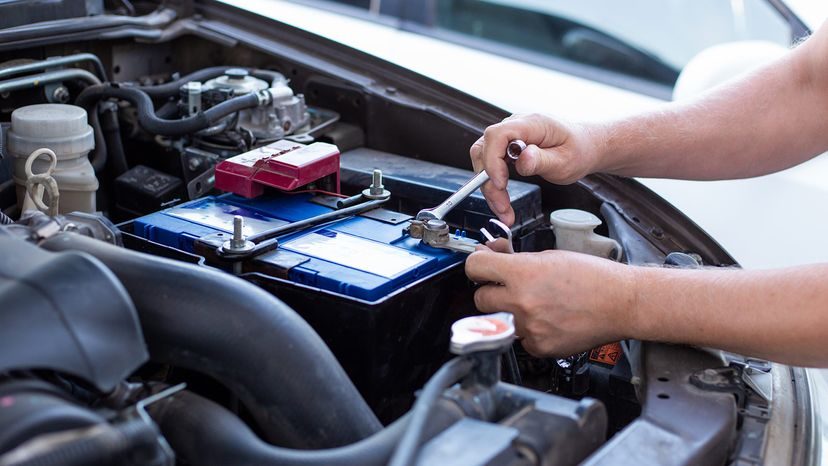
There is a specific kind of panic that hits when you turn the key and hear nothing but a hollow click. It’s usually raining. It’s usually dark. And you are late. The probability of your lead-acid battery failing right when you need it most feels less like bad luck and more like a cruel joke. This is why roadside assistance exists.
But before you call the tow truck or panic-buy a new battery at the gas station, pause. Your battery might not be dead. It might just be dirty.
The White Crust Problem
Lead batteries produce sulfate as a natural byproduct of discharging. Over time, this sulfate builds up on the terminals. It looks like a cakey white substance. It acts as an insulator. It stops electricity from flowing. If your car won’t start, check the posts.
If you see that white crust, you have a simple fix. You don’t need a mechanic. You need baking soda and water.
How to Clean Sulfate Buildup
- Turn off the car. Ensure the engine is cold.
- Mix the solution. Baking soda neutralizes the acid.
- Brush the terminals. Apply the solution to the sulfate deposits. Let it fizz.
- Scrub away the corrosion. Use a wire brush or old toothbrush.
- Wipe clean. Dry the terminals thoroughly.
Try the ignition again. If the car turns over, the battery can recharge itself. You might just need a jumpstart to get it back to life. If it starts and stays running, you saved yourself hundreds of dollars.
When to Replace the Battery
If cleaning doesn’t work, the battery is likely fully dead. Lead-acid batteries have a lifespan. They degrade. If your battery is old, it needs replacement.
Handling a battery yourself is possible. But be careful.
Batteries are heavy. The average car battery weighs between 25 and 40 pounds (11 to 18 kilograms). Diesel trucks can be heavier.
Most auto parts stores offer free installation if you buy the new battery from them. This is often the safest route. You avoid lifting heavy objects and risk of acid burns.
If you choose to do it yourself, you need the right tools. You need to know how to disconnect the negative terminal first. You need a wrench. You need gloves.
Tools Needed to Change a Car Battery


Don’t reach for the wrench yet. Fixing a car battery on your own sounds straightforward until you realize you’re missing the one specific socket size or you’ve forgotten your goggles. The difference between a five-minute job and a trip to the ER is preparation.
Gather your gear before popping the hood. If you haven’t already mixed baking soda and water for neutralizing acid, do it now. Keep that bucket close. You’ll need to scrub the terminals thoroughly. If the corrosion is heavy, standard wire brushes won’t cut it.
The Right Tools for the Job
Battery terminals are held on by nuts and bolts. You need the right leverage. A crescent wrench works, but an adjustable wrench or a socket set is cleaner. Most modern cars use 10 mm or 12 mm sockets. If you’re dealing with older models, check your manual. You might need vise grips or channel locks to hold the bolt head steady while you turn the nut.
Bring a hammer. It sounds absurd, but a gentle tap on the terminal cable can shock loose a corroded connection that refuses to budge.
Consider buying a dedicated battery terminal cleaner. It’s cheap. It looks like a wire cup. You twist it onto the post, and it scrubs the inside of the cable clamp and the outside of the post simultaneously. If you don’t want to buy one, a narrow metal wire brush works. Same principle.
Grab a can of corrosion protector spray. This prevents sulfate buildup later. You’re saving your future self headaches.
Gloves. Safety glasses. Rags. A plastic bin for your tools. Never use a metal toolbox on the ground near the battery. If a wrench slips and hits the positive terminal while touching the metal case, you get a spark. Plastic is safer.
Preparing the Vehicle
Is the car on? Probably not. You likely pulled over because the engine wouldn’t start. But check anyway. Keys in the ignition? Pull them. Remove them. Turn the ignition switch to “off” if it’s still stuck. This deactivates the electrical system. It reduces the risk of a short circuit while you’re wrestling with live cables.
Clean the terminals again before touching anything. Sulfate deposits act as insulators. They make it hard to get a good grip on the nuts. Brush on your baking soda solution. Let it fizz. That’s the acid reacting. Wipe it dry. If the cable is still stuck, tap it with the hammer. Brush again. Wipe again.
Inspect the battery casing. Look for cracks. Acid leaks are nasty. If you see a crack, mark it mentally. Keep your hands away from that spot when you lift. Tape over it if you’re paranoid. It won’t stop acid, but it stops drips from getting on your skin.
Set your tool bin down. Engine bay floor, or a clean part of the chassis. Not on hot exhaust components. Not on metal surfaces where stray tools can bridge connections.
Removing the Old Battery
The battery is cold. It’s clean. The tools are laid out. It’s time to disconnect the power.
Which terminal comes off first?
Always negative (black). Always negative.
If you remove the positive cable first and your wrench slips, touching any grounded metal on the car, you create a dead short. Sparks fly. Acid sprays. You lose the battery. Or worse.
Loosen the negative clamp. Keep the wrench on the nut. Don’t let the cable spring back and touch the positive post. Slide the cable off. Secure it away from the terminal. Maybe tie it back with a zip tie if you have one.
Now the positive (red). Same process. Loosen the nut. Remove the clamp. Keep it away from the negative post.
Look at the hold-down bracket. It’s usually a metal bar that clamps the battery in place. It might be a simple strap or a more complex bracket system. Unbolt it. Don’t throw it yet. You’ll need it to secure the new battery.
Lift. Car batteries are heavy. Lead-acid ones weigh 30 to 50 pounds. Lithium ones are lighter but fragile. Use your legs. Keep your back straight. Get a clear path out of the engine bay.
Place it on a flat, stable surface. Not on its side if it’s a conventional lead-acid battery. Upright is best. Avoid tipping it over. Acid inside is corrosive.
Did you get it out?
Good. Now you have an empty battery tray. It’s probably dirty. Corrosion residue. Dried acid. Clean the tray. Use your wire brush. Use your baking soda solution. Rinse it. Dry it.
Is the tray clean?
If not, don’t put the new battery in. The corrosion will eat the new terminals within weeks.
Check the tray for damage. Cracks? Rust through? If the tray is compromised, you might need to replace the tray or patch it. Acid eats metal. Rust weakens the hold-down bracket.
You’re ready for the next step.
Installing the New Battery
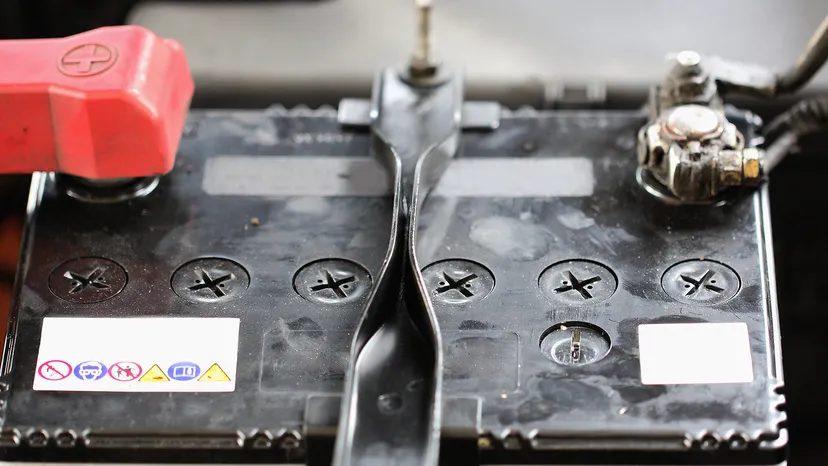

This is the dangerous part. The one where things go wrong if you aren’t paying attention.
You are dealing with lead-acid chemistry here. Cracks in the casing. Corrosion eating away at the terminals. Acid doesn’t care if you are rich or poor. It will burn your skin off if you let it.
And don’t think the car being off makes it safe. A 12-volt battery is still a live wire. It has enough amperage to melt metal. If your wrench touches both posts at once? Boom. Short circuit. Sparks. Heat. You don’t want that.
Stay sharp. Touch one post at a time.
Disconnecting the Terminals
Start with the negative side. Black is negative. Red is positive. Always remember that.
Grab your wrench. Loosen the nut on the bolt holding the negative cable. Counterclockwise. You don’t need to strip the bolt completely. Just enough to slide the clamp off.
Hold the bolt head steady with a second wrench or pliers. If you let the bolt spin, you’re wasting time.
Once the clamp is loose, pull it away. Slide it down and away from the battery. Make sure it’s not dangling where it can accidentally touch the positive post later.
Put your tools on the ground or on that Styrofoam tray. Metal on concrete is fine. Metal on the battery top is a fire hazard.
Now repeat the process for the positive terminal. That red cap? Pry it back. It’s usually tight. Be gentle.
Lifting the Dead Weight
Both terminals are off. Good.
Now you need to get the battery out of the car. Look for the hold-down clamp. It’s usually a bracket or a strap. Most cars use a simple nut or a wing nut. Same size as the terminal clamps. Unscrew it.
The battery is heavy. I’m not kidding. A standard lead-acid battery weighs about 40 to 60 pounds. You’re hunched over. Your back is at risk.
Lift with your knees. Keep your back straight.
Grab the handle. Most batteries have one molded into the top. Pull it straight up. If the handle is corroded shut, lift by the sides. Be careful. Tilt it slightly to check for leaks. Acid spills are messy and dangerous.
Set it on the ground. Away from the car. Away from sparks.
Cleaning and Inspecting
Before you even think about the new battery, clean this mess.
Take a battery terminal cleaner. Or a wire brush. Scrub the inside of the cable clamps. You’re looking for white, crusty sulfate deposits. That’s corrosion. It kills electrical flow.
Scrape it out. Get it clean.
Inspect the cables themselves. Look for cracking insulation. Look for green or white buildup on the metal strands. If the cables are fried, replace them. New battery, old cables? That’s a recipe for failure.
Grab new cables at the auto parts store if needed. Cheap insurance.
Spray corrosion protection on the clean clamps. It creates a barrier. Keeps the acid from eating into your new hardware next time.
You’re ready.
Attaching New Car Batteries
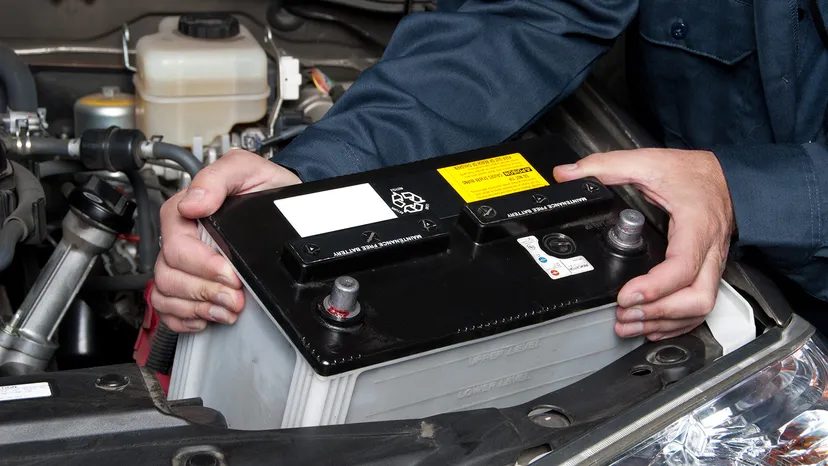
You are at the finish line. Two or three quick moves and your engine should turn over smoothly. But don’t get complacent. The physical installation is where mistakes happen, and those mistakes can damage your starter or fry your electronics.
Placing the Battery
New batteries are dense. Lead-acid cells are heavy. When you lift the new unit from the box, check your back. Place it gently into the battery tray. Don’t slam it. You want it to sit flush.
If the battery came with colorful plastic caps on the posts, leave them on. Do not rip them off yet. These caps are not just packaging; they are visual cues. Red cap means positive. Black cap means negative. You need to keep that straight. Swapping them is a quick way to blow a fuse or melt a wire. Wait until the battery is secured in the tray before you start stripping terminals.
Preparing the Terminals for Connection
Once the battery is seated firmly, you reverse the removal process. Start with the positive side.
Remove the red cap. Take your wire brush or terminal cleaner and scrub the new post. You aren’t trying to strip the plating off. You are scoring the metal lightly. This removes any microscopic oxidation and ensures a tight metal-to-metal contact. Loose connections cause voltage drops. Voltage drops mean your car won’t start, especially in cold weather.
After cleaning, apply a coat of corrosion protection spray. This inhibits the chemical reaction that turns your terminals into white, crusty powder over time.
Slide the positive clamp over the post. It should sit flush against the bottom of the post, not floating above it. Hold the bolt head steady with a wrench. Turn the nut clockwise. Tighten it until it’s snug. Do not overtighten and strip the threads. Repeat this exact process for the negative terminal. Black to negative. Red to positive.
Securing the Hold-Down
Most people skip this step. They connect the wires and call it a day. Do not do that.
Find the hold-down plate or bracket. Refasten it. The design varies by make and model. Some use a bolt-through-the-base. Others use a side-clamp. It might feel finicky. Work on it until the battery does not wiggle.
Why? Because your car vibrates. Speed bumps, potholes, highway driving. If the battery is loose, the internal plates can shed. Shedded lead plates cause internal shorts. A shorted battery is a fire hazard. It also damages the starter motor from the excessive current draw of a failing cell. Secure the battery. It is non-negotiable.
The First Test
Turn the key. Or push the start button.
The engine should crank immediately. If it does, your battery was the culprit. If it clicks and dies, you might have a loose connection or a dead battery. But assume it works.
You likely lost memory on your onboard computer. The clock is reset. The radio wants a code. Some cars need to relearn idle settings. This is normal. Just be prepared to re-enter your security codes.
Disposing of the Old Battery
You have a new battery in the car. You have an old battery in your garage or trunk. Do not throw it in the trash. Car batteries are toxic waste. They contain lead and sulfuric acid. Leaching into soil and groundwater is a serious environmental issue.
Take the old battery to a recycling center. Most auto parts stores will take it for a core charge refund. Service stations accept them too. Sometimes there is a small fee, sometimes you get money back. Either way, it keeps the toxins out of the landfill.
Most car batteries are recycled into new ones. The lead is melted down. The plastic casing is reprocessed. It’s a closed loop. Just make sure you participate in it. Drive on.