



We’ve all been there. The grocery run. dog. A backpack full of textbooks. Usually this is not a big deal. However, sometimes it can become overloaded. You are trying to carry too much luggage. Milk spilled. The fruits are crushed. Your arms give out. It’s inefficient. This is dangerous. Humans are not designed to withstand infinite weight.
Cars have the same restrictions.
We are constantly transporting cargo. On highways. on the highway. In an alley. Overloading the car puts a strain on the engine. It beats up the transmission. Suspension parts wear out faster. This puts you at risk. If you can’t stop safely because you’re carrying too much, everyone else on the road is at risk.
Knowing the vehicle’s loading capacity is non-negotiable for safety. Payload is the total weight of everything in the vehicle. It’s not just about what’s in the trunk. all. This includes passengers. This includes pets. This includes the cargo itself.
Why is this important? Because you need to know how much you can accommodate. You need to know how many trips you have to make. Overloading increases the braking distance. Affects maneuverability. The tire may explode.
Most people think of cargo capacity simply in terms of the back seat or bed. They forgot the people. Passengers are counted as payload. This is where the math gets tricky. With a family of four and a few pieces of luggage, you can easily exceed the limits of a medium-sized SUV.
You need these numbers before you start loading equipment into your car. You need to calculate your specific vehicle payload capacity.
Where do you find your limit?
You don’t need an engineering degree to find this information. It is printed on your vehicle. Find GVWR (Gross Vehicle Weight Rating). This is the maximum total mass that the vehicle is designed to support. This includes the vehicle itself. And passengers too. Plus fuel. Plus cargo.
But GVWR isn’t everything. You need the Curb Weight. This is the unladen weight of the vehicle. With a full tank of gas. No people. No stuff.
This is a simple equation.
Payload Capacity = GVWR – Vehicle Weight
That’s it. The difference is what’s left for you and yours.
Most user manuals contain this information. If you don’t have the manual, look for the sticker on the driver’s side door frame. It lists the GVWR and sometimes the GAWR and in some cases GAWR (Gross Axle Weight Rating) is listed.
Why is the passenger’s weight hidden?
This is where people get confused. They look at the cargo load. Let’s say it says “£1,400”. They think they can load 1,400 lbs of gear.
Wrong.
That 1,400 lbs is the total payload. With two adults on board, that’s 300-400 lbs gone. Next, add the dog. Or a child. Then fill the tank. Gas weighs about 6 pounds per gallon. A full tank is 30-40 lbs.
The remaining weight of the cargo is reduced. Quickly.
If you’re towing, the rules change. This is ** towing capacity.
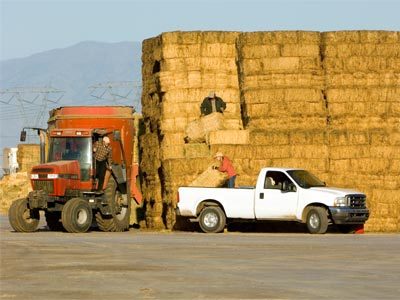

You don’t need an engineering degree to figure out how much you can realistically carry. It comes down to two numbers. Gross curb weight (GVWR) and curb weight. that’s it.
GVWR is a hard limit. This is the maximum weight allowed for the entire machine. This includes metal, glass, rubber and everything inside. We’re talking fluids like gas, oil, and coolant, as well as all the people and gear you put in the back. Manufacturers set this limit. You can find it printed on a sticker near the driver’s door lock or embedded in the user manual. Some sites also have such specifications, but door stickers are required by law.
Vehicle weight is the vehicle’s weight when parked. There are no passengers. No cargo. Fill the machine itself with the tank and all necessary liquids.
Calculating the payload is very easy.
GVWR minus vehicle weight equals payload.
Let’s look at a concrete example. Let’s say your truck has a GVWR of 3,500 lbs (1,588 kg). Curb weight is 3,000 pounds (1,361 kilograms).
3,500 lbs – 3,000 lbs = 500 lbs (227 kg) payload.
That’s all your room is. Five hundred pounds. It’s you, your passenger and a small suitcase. Or maybe just a heavy toolbox and a few bags of concrete mix. But not both.
Does it matter whether you drive a car, an SUV or a work truck? Yes. The rules vary slightly depending on the platform.
Truck Payload
Trucks work differently than cars. Although it is designed for cargo, the payload limit is usually less than you would expect based on the towing capacity.
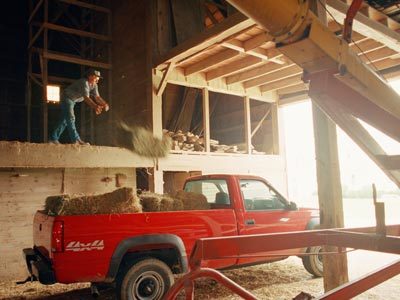
You can’t pack six feet of plywood into a Subaru Outback. It just doesn’t fit. But you can’t just stuff three bags of potting soil into a Ford F-350. This is too much. The fundamental difference between what you haul in a sedan and a pickup truck is the purpose behind the machine.
Trucks are built according to weight. Specifically, it’s designed to handle loads that would dwarf anything mounted on the crossover’s roof. But before you think about how much stuff you can cram into bed, you need to know the rules of the road. In America, trucks are more than “big cars”. These are legal entities defined by GVWR (Gross Vehicle Weight Rating).
How Truck Classes Are Defined
The government doesn’t just make guesses. There are eight different weight classes based on the highest GVWR. This is a tight frame. If your truck’s GVVR is 33,000 pounds, it’s a Class 7. For 34,000 pounds, it’s a Class 8. There’s no middle ground.
The federal government divides these categories as follows:
- Class 1: 6,000 lbs (2,722 kg)
- Class 2: 10,000 lbs (4,536 kg)
- Class 3: 14,000 lbs (6,350 kg)
- Class 4: 16,000 lbs (7,258 kg)
- Class 5: 19,500 lbs (8,845 kg)
- Class 6: 26,000 lbs (11,793 kg)
- Class 7: 33,000 lbs (14,969 kg)
- Class 8: Over 33,000 lbs.
These are not arbitrary numbers. They regulate insurance, licenses and driving location.
Light, Medium, and Heavy Duty
The US Department of Transportation (DOT) divides these eight categories into three broad categories. Make it simpler. It’s easier to remember.
Light-duty trucks covers Class 1 and Class 2. These are half ton and some three-quarter tons. Think F-150, Silverado, Ram. It can be used for daily driving and moderate hauling.
Medium-duty trucks covers classes 3-5. These start getting serious. You’re looking at step vans, a big box truck or a durable chassis cab? The payload has increased considerably here.
Heavy-duty trucks includes Class 6 and up. This is where things get industrial. Semi trucks, garbage trucks and large construction vehicles live here. If your GVWR is over 26,000 pounds, you’re in the big leagues.
Knowing which bucket your vehicle falls into can changes everything about how you load it. Class 1 trucks have a payload of 2,000 pounds. Class 8 rig? That’s
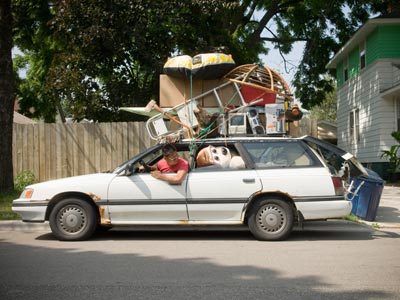
We tend to overlook the sedan’s cargo capacity. We loaded our suitcases, secured them and headed out. I feel like the car can handle it. However, it would be a mistake to ignore the weight restrictions. For trucks, the threshold is higher. This is not the case with family cars. If the load you are transporting is heavy, there is a risk of handling problems. Limits are real.
The passenger is part of the payload. The manufacturer assumes 150 pounds (68 kg) per person. This is a standard number. Works on any seat. So an empty back seat for three people is more than room. Operating weight is 450 lbs (204 kg). Use this number. Determines how much load the suspension can add before it bottoms out.
“Most car manufacturers keep 150 pounds (68 kg) per person per seat.”
If it’s an empty car, you might be fine. An almost fully loaded car is not. The differences are small at first. That would be dangerous. The braking distance increases. The translation becomes rough. You lose confidence.
SUVs change the calculation. Built for multiple uses. The payload rating is higher. Their suspension is stiffer. But they are not endless. The label still needs to be checked. The gross vehicle weight rating (GVWR) is listed on the door frame sticker. Minus own weight. Reduce your weight and the weight of the passenger. A cargo limit remains. Don’t guess.
SUV loading capacity
The leap from sedans to SUVs is significant. Can carry more weight. The frame is stronger. The tires have grown. But the principle is the same. Overloading an SUV is just as big a problem as overloading a sedan. In some ways it is worse. If the center of gravity is high, it is more likely to tip over if a heavy load is loaded and a sharp turn is made.
When loading your SUV, distribute the weight evenly. Count your weight and place it forward. Place something light on top and behind. This keeps the center of gravity balanced. Prevents the rear end from squatting too much. It also helps maintain traction on the front tires.
Check your owner’s manual. Look for “Total Payload Capacity”. This issue includes anything and everything. It’s not just about luggage. It is for people, fuel and equipment. Fuel adds weight. Filling the tank can add 100-200 pounds depending on the size of the tank. Don’t forget.
Many car owners consider SUVs invincible. it is not. They are just expanded versions of the same physical principle. Exceeding the payload capacity endangers safety. The brakes can’t stop that fast. Tires can overheat. Suspension can fail.
Next, let’s look at the truck. They have the highest limits. But they have their own rules. The rules are stricter.
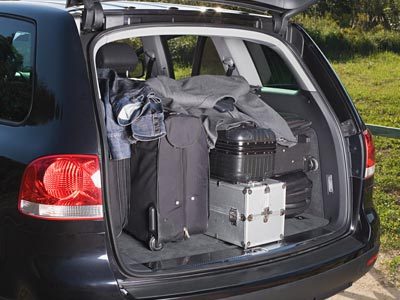
People think of SUVs as hybrid beasts. Part workhorse, part luxury liner. Sounds true in theory. You get truck-like hauling ability without sacrificing the comfort of a sedan. However, this idea is a little flawed.
SUV cargo capacity falls into a gray area. More than a standard car. Not suitable for pickup trucks. The real benefit is the versatility. Fold the back seat forward. Ensure a spacious space where heavy equipment can be installed. Lumber? Furniture? Snowmobiles? Most SUVs handle it with ease.
However, there are serious limitations. Trucks have beds. SUVs have roofs. You can stack it high, but you can’t stack it endlessly. And trying to push that limit is where things go wrong.
Safety is more than just a buzzword here. This is physics. SUVs sit higher off the ground. This provides clearance on the trail. The center of gravity will also be higher. If the load is too high, stability will be lost. Roll-overs is not just a statistic, but a real threat.
Manufacturers also take note. Consumers are scared. The answer is technology. An electronic stability control system is standard. It helps this beast stay on all four wheels when you push it too hard.
Regulatory authorities have also intervened. The National Highway Traffic Safety Administration (NHTSA) took action in September 2004 and mandated the use of the sign. Mounted on the door frame on vehicles with a gross vehicle weight rating (GVWR) of less than 10,000 lbs (4,536 kg).
The sticker indicates the combined weight of passengers and cargo. This is not advice. This is a hard ceiling.
So where do you stand on your vehicle’s limits? And can you even change those limits if you’re hitting them too often?
Can You Increase Payload Capacity?
Check the sticker. The load capacity seems to be tight. You may have to carry something heavier than the nominal limit. Can you just push it?
No. Not really.
This is a dangerous game. Overloading a vehicle can cause more than just a broken axle. It’s about losing control. If the police pull you over for an unsafe load, you’re looking at a ticket you didn’t want. There are real risks for you, your passengers and everyone on the road.
What are your options?
Manufacturers know that people want to tow more. That’s why they offer optional towing package. These are more than just badges on the grille. These are functional upgrades designed to withstand extra stress.
What’s Actually in a Towing Package?
These packages vary by brand. However, the goal is always the same. It’s all about improving performance and adding safety tools.
The basic package may include:
– A dedicated trailer wiring harness
– A heavy-duty hitch
– Safety chains
This is hardware. The software, or rather the engineering, is often different.
“Truck manufacturers almost always offer optional towing packages…which usually include additional tools to improve the towing vehicle’s performance and towing.”
You may see a bigger engine. Stronger brakes. A more robust cooling system. These upgrades help manage heat and weight when towing. While it doesn’t magically increase “carrying capacity” in the bed, it does improve the vehicle’s safety and ability to tow heavy loads.
If you have the truck you want, but the original payload data is lower, check the trim level. Does it have the towing bundle? It can make the difference between a stressful load and a manageable load.
Finding Your Specific Numbers
Generalizations don’t help when you’re standing in the driveway with a trailer hook. Exact information about the specific make, model and year is required.
Below is breakdown of max payload capacities for specific models. Note that some entries are hyphenated (-) to indicate that the information is not available or applicable in the source record.
Acura Payload Specs
| Year | Model | Max Payload (lbs) |
|---|---|---|
| 2006 | MDX | – |
| 2006 | RL | – |
| 2006 | RSX | – |
| 2006 | TL | – |
| 2006 | TSX | – |
| 2007 | MDX | 1158 |
| 2007 | RL | – |
| 2007 | RDX | 870 |
| 2007 | TL | – |
| 2007 | TSX | 850 |
| 2008 | MDX | 1158 |
| 2008 | RL | – |
| 2008 | RSX | 870 |
| 2008 | TL | – |
| 2008 | TSX | 850 |
| 2009 | MDX | 1158 |
| 2009 | RL | – |
| 2009 | RSX | 870 |
| 2009 | TSX | 850 |
More Acura Specs:
– Acura GVWR
– Acura GAWR
– Acura GCWR
– Acura Cargo Carrying Capacity
– Acura Curb Weight
– Acura towing capacity
Audi Payload Specs
| Year | Model | Max Payload (lbs) |
|---|---|---|
| 2006 | A3 | – |
| 2006 | A4 | – |
| 2006 | A6 | – |
| 2006 | A8 | 1213 |
| 2006 | S4 | – |
| 2006 | TT | 728 |
| 2007 | A3 | – |
| 2007 | A4 | – |
| 2007 | A6 | – |
| 2007 | A8 | – |
| 2007 | Q7 | – |
| 2007 | RS4 | – |
| 2007 | S4 | – |
| 2007 | S6 | – |
| 2007 | S8 | 1213 |
| 2008 | A3 | – |
| 2008 | A4 | – |
| 2008 | A5 | – |
| 2008 | A6 | – |
| 2008 | A8 | – |
| 2008 | Q7 | – |
| 2008 | R8 | – |
| 2008 | RS4 | – |
| 2008 | S4 | – |
| 2008 | S5 | – |
| 2008 | S6 | – |
| 2008 | S8 | – |
| 2008 | TT | – |
| 2009 | A3 | – |
| 2009 | A4 | – |
| 2009 | A5 | – |
| 2009 | A8 | – |
| 2009 | Q7 | – |
| 2009 | R8 | – |
| 2009 | S4 | – |
| 2009 | S5 | – |
| 2009 | S8 | – |
| 2009 | TT | – |
More Audi Specs:
– Audi GVWR
– Audi GAWR
– Audi GCWR
– Audi Cargo Carrying Capacity
– Audi Curb Weight
– – Audi Towing Capacity
BMW Payload Specs
| Year | Model | Max Payload (lbs) |
|---|---|---|
| 2006 | 325 | 325 1058 |
| 2006 | 330 | 330 1058 |
| 2006 | 525 | 525 1102 |
| 2006 | 530 | 530 1102 |
| 2006 | 550 | 550 1102 |
| 2006 | 650 | 650,838 |
| 2006 | 750 | 750 1 |
Chevy Silverado Payload Specs: 2006–2009 Data
You want to haul? Start with the Silverado. It’s the backbone of Chevrolet’s heavy-duty lineup. The numbers shift depending on if you are running a half-ton or the big HD trucks.
In 2006, the Silverado 1500 handled 1913 lbs. That was decent. The 2500 HD jumped to 3606 lbs. The 3500 HD? It could swallow 5169 lbs. That is serious utility.
2007 brought some changes. The 1500 dropped to 1658 lbs unless you got the Classic model, which held steady at 1913 lbs. The 2500 HD sat at 3458 lbs, while the Classic version kept that 3606 lbs figure. The 3500 HD was only available as a Classic in ‘07, carrying 5169 lbs.
By 2008, the 1500 settled at 1652 lbs. The 2500 HD stayed at 3458 lbs. The 3500 HD climbed slightly to 3621 lbs? No, wait. Check the data. It was 3621 lbs for the 3500 HD in ‘08.
2009 saw the 3500 HD push further. It hit 3873 lbs. The 2500 HD was at 3480 lbs. The 1500 remained at 1652 lbs.
“The Silverado 3500 HD payload capacity peaked at 5169 lbs in 2006 and 2007, then adjusted in subsequent years.”
GMC Sierra Payload Capacity: 2006–2009 Breakdown
GMC does the Sierra. It shares bones with the Chevy but feels different. The payload numbers track closely but have their own quirks.
2006 Sierra 1500: 1889 lbs. The 2500 was a beast at 4058 lbs. The 3500 handled 4658 lbs.
2007 saw the 1500 rise to 1952 lbs. A small gain. The 2500 dropped slightly to 3892 lbs. The 3500 data is missing for the regular model that year.
2008 kept the 1500 at 1947 lbs. The 2500 held firm at 3892 lbs. No 3500 data for the standard model.
2009 shifted the 1500 down to 1842 lbs. The 2500 climbed to 3924 lbs. The 3500 HD made a comeback in the data with 4812 lbs.
The Canyon also mattered. It started at 1547 lbs in 2006. Held that through 2008. Dropped to 1422 lbs in 2009.
Ford F-Series Payload Ratings: 2006–2009
Ford dominates with the F-Series. The F-150 is the volume seller. The heavy-duty stuff is where the muscle lives.
2006 F-150: 1640 lbs.
2006 F-250: 3100 lbs.
2006 F-350: 4000 lbs.
2007 kept the F-150 at 1650 lbs. The F-250 stayed at 3100 lbs. The F-350 held 4000 lbs.
2008 saw a dip. The F-150 remained 1650 lbs. The F-250 dropped to 3030 lbs. The F-350 fell to 3900 lbs.
But then the F-450 appeared. It carried 6120 lbs. That is a commercial grade number.
2009 changed things for the 1500. It jumped to 3030 lbs? Wait. That looks like a typo in the source or a specific trim. The source lists 3030 lbs for the 2009 F-150. That is significantly higher than previous years. Check your build sheet. The F-450 dropped to 3900 lbs in 2009.
Commercial vans also mattered. The E-350 Super Duty handled 4165 lbs in 2006. It ticked up to 4200 lbs in 2007. Then fell to 4110 lbs in 2008. Finished 2009 at 4060 lbs.
Dodge Ram Payload Specs: 2006–2009 Data
Ram trucks. Dodge’s answer to the heavy haulers.
2006 Ram 1500: 1750 lbs.
2006 Ram 2500: 3020 lbs.
2006 Ram 3500: 4660 lbs.
2007 saw the 1500 hold at 1750 lbs. The 2500 climbed to 3130 lbs. The 3500 hit 4780 lbs.
2008 brought a bump to the 1500. It went to 1810 lbs. The 2500 rose to 3210 lbs. The 3500 jumped to 4870 lbs.
2009 dropped the 1500 significantly to 1490 lbs. The 2500 held at 3260 lbs. The 3500 dropped to 3560 lbs. That’s a big variance. Why? Trim levels. Options. Cab size.
The Sprinter vans also carried heavy loads.
2006 Sprinter Van 3500: 3950 lbs.
2007 Sprinter Van 3500: 4350 lbs.
2008 Sprinter Van 3500: 4530 lbs.
2009 Sprinter Van 3500: 4530 lbs.
Chrysler Pacifica and Town & Country Payload: 2006–2009
Minivans. People forget they have payload limits. They matter when you load them with kids and groceries.
2006 Chrysler Pacifica: No data.
2007 Pacifica: 889 lbs.
2007 Town & Country: 1200 lbs.
2008 Pacifica dropped to 865 lbs.
2008 Town & Country: 1200 lbs.
2009 Aspen SUV: 1600 lbs.
2009 Aspen Hybrid: 1500 lbs.
The PT Cruiser had payload too.
2007 PT Cruiser: 1907 lbs.
2008 PT Cruiser: 889 lbs.
Chevrolet Avalanche and Suburban Payload Limits: 2006–2009
The Avalanche was unique. Pick up front, SUV back.
2006 Avalanche 1500: 1387 lbs.
2006 Avalanche 2500: 2072 lbs.
2007 Avalanche 1500 dropped to 1258 lbs.
2008 Avalanche 1500 climbed back to 1444 lbs.
2009 Avalanche 1500 sat at 1333 lbs.
The Suburban is the big brother to the Tahoe.
2006 Suburban 1500: 1731 lbs.
2006 Suburban 2500: 2828 lbs.
2007 Suburban 1500 dropped to 1593 lbs.
2007 Suburban 2500 dropped to 2561 lbs.
2008 matched 2007. 1500 at 1593 lbs. 2500 at 2561 lbs.
2009 held those numbers. 1500 at 1593 lbs. 2500 at 2561 lbs.
Tahoe numbers tracked closely.
2006 Tahoe: 1522 lbs.
2007 Tahoe: 1835 lbs.
2008 Tahoe: 1835 lbs.
2009 Tahoe: 1835 lbs.
The Tahoe Hybrid in 2008 and 2009 carried 1830 lbs.
Dodge Dakota and Durango Payload Capacity: 2006–2009
The Dakota was Dodge’s mid-size option.
2006 Dakota: 1750 lbs.
Payload is more than just a number in the specs. This is a hard limit before things get worse. Loading the car compresses the suspension and eventually the tires and frame no longer care about comfort. Here we focus on models from 2006-2009. The information is accurate. There are different brands.
Some trucks can carry several tons. Some sports cars barely fit a full-sized adult and a small cooler. Let’s take a closer look at what these machines can really carry.
Honda payload
Honda plays it safe. Most of the company’s sedans don’t post payload numbers because they focus on miles per gallon and reliability, not lumber hauling. But what about trucks? These are important.
In 2006, the Ridgeline was the king of its class with a maximum payload of 1549 lbs. The Odyssey minivan isn’t far behind at 1349 lbs. Insight? Limit is 400lbs. Don’t try to put a motorcycle in there.
By 2007 Pilot entered the chat room and weighed 1322 pounds. The Element dropped slightly to 675 lbs. The Civic weighs 385 lbs. It’s still there. The Ridgeline held its ground at 1549 lbs through 2008 and 2009.
“Payload is the total weight of passengers, luggage and accessories. If you exceed it, you’re driving on borrowed time and insurance coverage.”
| Year | Model | Max Load (lbs) |
|---|---|---|
| 2006 | Ridgeline | 1549 |
| 2006 | Odyssey | 1349 |
| 2006 | Insight | 400 |
| 2007 | Ridgeline | 1549 |
| 2007 | Odyssey | 1349 |
| 2007 | Pilot | 1322 |
| 2007 | Element | 675 |
| 2007 | Civic | 385 |
| 2008 | Ridgeline | 1549 |
| 2008 | Odyssey | 1349 |
| 2008 | Element | 675 |
| 2008 | Civic | 385 |
| 2009 | Ridgeline | 1549 |
| 2009 | Odyssey | 1349 |
| 2009 | Pilot | 1322 |
In recent years, Honda hasn’t released specific curb weights for sedans like the Accord, Civic and CR-V. If you need to calculate the difference yourself, follow the GVWR.
Hummer payload
If you owned a Hummer during this era, you didn’t drive it to save gas. You drive because you have to tow something big or transport something ridiculous.
The H2 is a beast. it could handle 2200 lbs of payload This is important. The H3 was lightweight from 2006 to 2008, weighing in at 1150 lbs. By 2009 this weight was increased to 1312 lbs. For 2009, the H3T pickup version has a slightly lower limit 1090 lbs.
In 2006 and 2007, Hummer did not release H2 numbers. I don’t understand. But by 2008, it was clear that large SUVs were built to save weight.
| Year | Model | Max Load (lbs) |
|---|---|---|
| 2006 | H1 Alpha | 3087 |
| 2006 | H3 | 1150 |
| 2007 | H3 | 1150 |
| 2008 | H2 | 2200 |
| 2008 | H3 | 1150 |
| 2009 | H2 | 2200 |
| 2009 | H3 | 1312 |
| 2009 | H3T | 1090 |
The 2006 H1 Alpha had a massive payload of 3087 pounds. This is not an error. This is military-grade tolerance.
Latest payload
Modern cars were still making cars in the mid-2000s that got the job done without breaking the bank. There is very little payload information here. Most models, including the Accent, Elantra, and Sonata, do not have cargo capacity for 2006-2009.
SUVs carry more cargo. No payloads are listed in the source data for Veracruz and Santa Fe. Azera? there is nothing.
This is very strange. This can usually be calculated by subtracting the weight of the vehicle from the GVWR. However, if the manufacturer does not publish it, expect a cautious limit. Load it up and hope the suspension holds up.
| Year | Model | Max Load (lbs) |
|---|---|---|
| 2006 | Accent | – |
| 2006 | Elantra | – |
| 2006 | Tucson | – |
| 2007 | Veracruz | – |
| 2007 | Tucson | – |
| 2008 | Veracruz | – |
| 2008 | Santa Fe | – |
| 2009 | Genesis | – |
A line indicates that no data is available for the source record.
Infinity payload
Infiniti is positioned in the field of luxury cars that combine performance and practicality. The FX series is popular and it shows in the payload figures.
In 2006, the FX35 held 1183 lbs. The FX45 is slightly lighter at 1091 lbs. The QX56 SUV is heavy at 1440 lbs. The G35 Sedan weighs a modest 886 lbs.
By 2008, the lineup had changed. The EX35 has no payload listed. The G37 weighs 1040 lbs. The M35 and M45 are around £996 and £1010 respectively. The QX56 grows to 1553 lbs.
| Year | Model | Max Load (lbs) |
|---|---|---|
| 2006 | FX35 | FX35 1183 |
| 2006 | FX45 | FX45 1091 |
| 2006 | QX56 | 1440 |
| 2006 | Q45 | 979 |
| 2006 | G35 | 886 |
| 2007 | FX35 | FX35 1183 |
| 2007 | FX45 | FX45 1091 |
| 2008 | QX56 | 1553 |
| 2008 | M35 | 996 |
| 2008 | M45 | M45 1010 |
| 2008 | FX35 | FX35 1183 |
| 2008 | FX45 | FX45 1091 |
| 2008 | G37 | 1040 |
| 2009 | QX56 | 1553 |
| 2009 | FX35 | FX351213 |
| 2009 | Exchange rates 50 | 1185 |
The 2009 FX50 (formerly FX45) maintains a strong payload of 1185 lbs.
Isuzu payload
Isuzu is a truck manufacturer, but it doesn’t always get the rave reviews it deserves. The main products are Ascender and i-Series pickups.
Ascender is consistent. £1,133 from 2006 to 2008. No changes.
Some changes have been made to the i-series. For 2006 and 2007, prices for the i-280 and i-290 start at £1532. By 2008, the i-290’s weight dropped to 1512 lbs. The larger i-350 started at 1190 lbs in 2006, went up to 1516 lbs in 2007, and then dropped to **1.
Mazda Payload Specs: 2006-2009
The 2006 Mazda lineup shows clear segmentation. The B-Series trucks handled the heavy lifting, with the B3000 carrying 1680 lbs. That’s the sweet spot if you need to move stuff. The B4000 and B2300 sat at 1260 lbs. Cars were lighter. The Mazda3 had no listed payload, which usually means it’s not for hauling. The Mazda5 minivan was solid at 1239 lbs. The Mazda6 managed 1319 lbs, but drop the speed with the MazdaSpeed6 and you lose 963 lbs of capacity. The MPV offered 1506 lbs, while the MX-5 roadster could barely manage 637 lbs. The RX-8 held 779 lbs. The Tribute SUV was at 988 lbs.
By 2007, the CX-7 arrived but had no payload listed. The CX-9 brought 1493 lbs to the party. The Mazda5 stayed at 1239 lbs. The Mazda6 dropped to 1080 lbs, and the MazdaSpeed6 remained at 963 lbs. The RX-8 dipped slightly to 765 lbs. The rest of the roster held steady or didn’t change.
2008 brought the Tribute Hybrid into the mix. Its payload sat at 1083 lbs, while the regular Tribute managed 1057 lbs. The Mazda5 lost a few pounds, settling at 1191 lbs. The Mazda6 hovered at 1087 lbs. The MX-5 dropped to 633 lbs. The RX-8 held 765 lbs. The B-Series trucks kept their 1260 lbs ratings. The CX-7 and CX-9 had no payload listed again.
2009 saw the B2300 drop to 1200 lbs, while the B4000 stayed at 1260 lbs. The Mazda5 held at 1191 lbs. The Mazda6 dipped to 1082 lbs. The RX-8 fell to 754 lbs. The Tribute was gone. The CX-7 and CX-9 still had no payload figures.
Mercedes-Benz Payload Specs: 2006-2009
Luxury sedans dominated the early list with empty payload slots. The C-Class, CL-Class, CLK-Class, CLS-Class, E-Class, S-Class, SL-Class, and SLK-Class had no payload listed in 2006. The heavy hitters were the ML350 at 1616 lbs, the ML500 at 1496 lbs, and the R-Class with a massive 2000 lbs.
2007 added the E-Class at 1157 lbs. The G500 handled 1289 lbs. The GL320 managed 1086 lbs, while the GL450 took 1620 lbs. The ML350 rose to 1635 lbs. The ML320 sat at 1422 lbs. The ML500 held 1620 lbs. The ML63 AMG dropped to 1257 lbs. The R-Class fell to 1635 lbs. The SLR McLaren was surprisingly light at 626 lbs.
2008 kept the E-Class at 1157 lbs. The G500 jumped to 1764 lbs. The G55 managed 1433 lbs. The GL450 and GL550 both handled 1620 lbs. The ML320 stayed at 1422 lbs, and the ML350 held 1635 lbs. The ML550 took 1620 lbs. The SLR McLaren plummeted to 342 lbs. That’s a significant drop.
2009 kept the E-Class at 1157 lbs. The GL450 and GL550 remained at 1620 lbs. The ML350 held 1635 lbs, and the ML320 stayed at 1422 lbs. The ML550 managed 1620 lbs. The ML63 AMG rose slightly to 1300 lbs. The R-Class fell to 1365 lbs. The S-Class, SL-Class, and SLK-Class still had no payload listed.
Mercury Payload Specs: 2006-2009
Mercury leaned heavily on the Mariner and Mountaineer names. In 2006, the Mariner handled 1075 lbs, while the Mariner Hybrid dropped to 920 lbs. The Monterey managed 1320 lbs, and the Mountaineer carried 1549 lbs. The Grand Marquis, Milan, Montego, and Sable had no payload listed.
2007 kept the Mariner at 1075 lbs and the Hybrid at 920 lbs. The Monterey held 1320 lbs, while the Mountaineer dropped to 1443 lbs. The rest of the lineup remained unchanged in terms of payload figures.
2008 saw the Mariner dip to 1059 lbs. The Hybrid stayed at 920 lbs. The Monterey was gone. The Mountaineer held steady at 1443 lbs. The Sable arrived but had no payload listed. The Grand Marquis and Milan also had no figures.
2009 kept the Mariner at 1059 lbs and the Hybrid at 920 lbs. The Mountaineer remained at 1443 lbs. The Grand Marquis, Milan, and Sable still had no payload listed. The Monterey was absent.
MINI Payload Specs: 2006-2009
MINI’s payload numbers are consistent, which is nice for planning. The Cooper Convertible has held 771 lbs since 2006. The Cooper Hardtop has handled 816 lbs since then.
2008 introduced the Cooper Clubman, which also manages 816 lbs. The Convertible and Hardtop kept their figures.
2009 added the John Cooper Works variants. The JCW Hardtop carries 816 lbs, and the JCW Clubman also handles 816 lbs. The rest of the lineup stayed the same. It’s small cars, so don’t expect to move a refrigerator.
Mitsubishi Payload Specs: 2006-2009
The Raider truck was the payload king in 2006, handling 1590 lbs. The Montero managed 1165 lbs. The Endureva took 1055 lbs. The Galant sat at 969 lbs, and the Lancer carried 981 lbs. The Outlander handled 904 lbs. The Eclipse was light at 794 lbs.
2007 saw the Outlander jump to 1538 lbs, likely due to a different configuration or trim. The Raider dropped slightly to 1580 lbs. The Endureva held 1055 lbs. The Galant fell to 937 lbs. The Eclipse stayed at 794 lbs. The Lancer was not listed for this year.
2008 brought the Lancer back, handling 1157 lbs. The Outlander dropped to 1169 lbs. The Raider held 1580 lbs. The Endureva stayed at 1055 lbs. The Galant remained at 937 lbs. The Eclipse held 794 lbs.
2009 saw the Eclipse rise to 827 lbs. The Galant jumped back up to 981 lbs. The Lancer held 1157 lbs. The Endureva, Montero, and Raider were absent from the list.
Nissan Payload Specs: 2006-2009
Nissan had some heavy hitters. The Titan truck managed 1549 lbs in 2006. The Armada handled 1693 lbs. The Frontier carried 1464 lbs. The Pathfinder managed 1424 lbs. The Quest held 1204 lbs. The Altima took 1199 lbs. The Maxima carried 1073 lbs. The Murano handled 1050 lbs. The Sentra managed 1036 lbs. The Xterra carried 1138 lbs. The 350Z was light at 553 lbs.
2007 saw the Altima rise to **1
Saturn’s payload limits by model
Saturn doesn’t have the biggest lineup, but when it comes to building vehicles that could haul, it’s usually Relay. The 2006 relay has a maximum payload of 1,350 lbs. This figure remained stable in 2007, rising slightly to 1354 lbs. If you look at the VUE you will see that in 2006 and 2007 it had 1331 lbs. Then 2008 happened. The VUE’s payload dropped to 1000 lbs. The hybrid version has better performance and sitting at 1111 lbs. The Outlook was the heavy lifter. It started at 1678 lbs in 2007 and 2008 and rose to 1709 lbs in 2009. The Aura? A respectable 1009 lbs. A small car? No payload data available. The Sky, Ion and later Astra models have no known maximum payload.
Scion Download Information
Scion is all about youth, style and keeping it light. show no payload data for 2006-2009 tC, xA, xB and xD models. This is not a typo. This means that the specific restriction was not a major marketing point, either because the data was not recorded or the vehicle was very light compared to the GVWR. Or it’s just not stored in this data set. You had the tC in 2007, 2008 and 2009. xB and xD show up in the tables for 2008 and 2009. However, the cell is empty again. If you’re carrying gear in a 2008 xB, you’re flying blind with this information.
Smart Fortwo Payload
The smart fortwo is small. It’s meant for city streets, not for moving furniture. The 2008 model has a maximum payload of 463 pounds. That’s it. One person and a small bag. If you are careful, Maybe a large dog. Don’t put two adults and a cooler in there and expect it to handle like a truck. The rest of the smart specs, like GVWR and towing capacity, are available elsewhere, but for payload, keep it under 463 pounds if you want to stay within the limits.
Subaru payload by model
Subaru is synonymous with four-wheel drive and hauling stuff up trails. The numbers reflect this. The 2006 Outback has a could handle 1245 lbs. The Legacy Wagon was close at 1300 lbs. Impreza WRX Sti? Only 794 lbs. You’re carrying a driver, a passenger and maybe even groceries. That’s it. The Tribeca is a big SUV. In 2006 and 2007 it was 1560 lbs. The price of the Timberwolves hovered between 1010-1060 lbs for a while, but in 2009 it jumped to 1230 lbs. The Legacy sedan dipped from 1200 lbs in 2006 to 1055 lbs in 2007 and stayed there. The Outback varied: 1245 (06), 995 (07), 1085 (08), 1078 (09). It’s inconsistent. Check the sticker on the door jamb. For 2008, the Tribeca’s weight has been significantly reduced to 660 kilograms. The weight of the 2009 Tribeca remains low at 660 pounds. The WRX Sti is back in 2008 and weighs 1080 kilos.
Suzuki charge limit
Suzuki has a flagship product, the XL7. In 2006 it towed 1168 lbs. In 2007 and 2008, the figure rose to £1,626. From 2006 to 2008, the Grand Vitara’s weight remained stable at around 1175-1178 lbs. A small car crashed. The Forenza and Reno weighed 926 pounds in 2008. The SX4 weighed 893 pounds in 2008 and 2009. The Elio was 955 pounds in 2006, but disappeared from the numbers in 2007. The Verona? No data available. equator? No data available. Carrying capacity isn’t Suzuki’s main selling point, but if you’re buying a later model, the XL7 can certainly handle a decent payload.
Toyota load specifications
Toyota is the king of reliability and their payload numbers are no different. The Tundra’s weight started at 1835 kg in 2006, dropped to 1470 kg in 2007 and has remained there ever since. The Tacoma weighed in at 1,540 pounds in 2006, dropped to 1,415 pounds in 2008, and climbed back to 1,540 pounds in 2009. The Highlander is a beast. In 2006 and 2007 it was £1,840. In 2008 and 2009 it was £1,821. Highlander hybrid? In 2006-2007 it was £1,605, down from £1,427 in 2008 and 2009. The Land Cruiser went from £1,500 to £1,585 in 2007-2008. The Sienna started at £1,570, then £4, £2,008. 1513 pounds. 2009. Camry and Corolla are small sedans. The Camry weighed 1,059 pounds in 2006, but data was not available for 2007-2009. The weight of the Corolla jumped from 1,055 kg in 2006-2008 to 1,113 kg in 2009. The weight of the Prius is surprisingly low. In 2006 it was £1,085, falling to £863 in 2007-08, and in 2009 there was no data. The Matrix weighed 1,166 pounds from 2006 to 2008 and had no data for 2009. The RAV4? The total weight between 2006 and 2009 was 1130 lbs. Sequoia started at 1510 and dropped to 1280 in 2008, but 2009 data was not available. £1,285, unchanged from 2006 to 2009. Land Cruisers range from £1,500 to £1,585. The FJ Cruiser starts at 1,280 pounds and went up to 1,325 pounds in 2009. The Avalon? £1075, then £1070, then £1075. Consistent.
Large payload capacity
Volkswagen’s product range is extensive. The Touareg is a transport machine. In 2006 and 2008 it was £1,400, in 2007 it was £1,325 and in 2009 it was £1,407. The Tiguan, introduced only in 2009, weighed 1,562 kilograms. Rutan, which was also introduced in 2009, weighs 1,199 kilograms. The Jetta is consistent. Between 2006 and 2009, I lost 1094 kilos. golf? In 2006 it was £947. In 2006, the GTI cost 1,024 pounds, down 968 pounds from 2007 to 2009. The Passat sedan weighed 1,140 pounds in 2006-2007, dropped to 997 pounds in 2008, and returned to 1,140 pounds for 40 pounds. 1272 (07), 1063 (08) and 1228 (09). Both the Beetle convertible and coupe weigh in at 772 pounds. In 2006 the rabbit weighed 994 pounds and from 2007 to 2009 it weighed 972 pounds. Phaeton? In 2006 it weighed 1002 pounds. Eos? 8


