Let’s be honest. The Honda Ridgeline has always been the awkward kid at the truck party.
It’s capable. It’s clever. It has a trunk in the bed. It drives like a Honda SUV, which is great if you value comfort over masculinity. But for decades, a loud contingent of buyers simply refused to call it a real truck. They pointed to the unibody construction. They pointed to its SUV DNA. And they kept their money in the beds of body-on-frame competitors.
Honda knows this.
For more than twenty years, the Ridgeline has existed in this weird limbo between utility vehicle and pickup. It’s often more truck than most people need. Yet the stigma stuck. Now, the automaker is finally pulling the curtain back on the third-generation model, and the strategy has shifted dramatically.
Ruggedness. That is the new keyword.
We already knew a successor was coming. Honda even paused production on the current model to clear the way. The company confirmed the new truck arrives within two years. But the teasers tell you more than the press releases. They reveal a pivot in philosophy. The message isn’t about convenience anymore. It’s about looking like it can handle abuse.
Design Over Specs: What The Teaser Shows Us
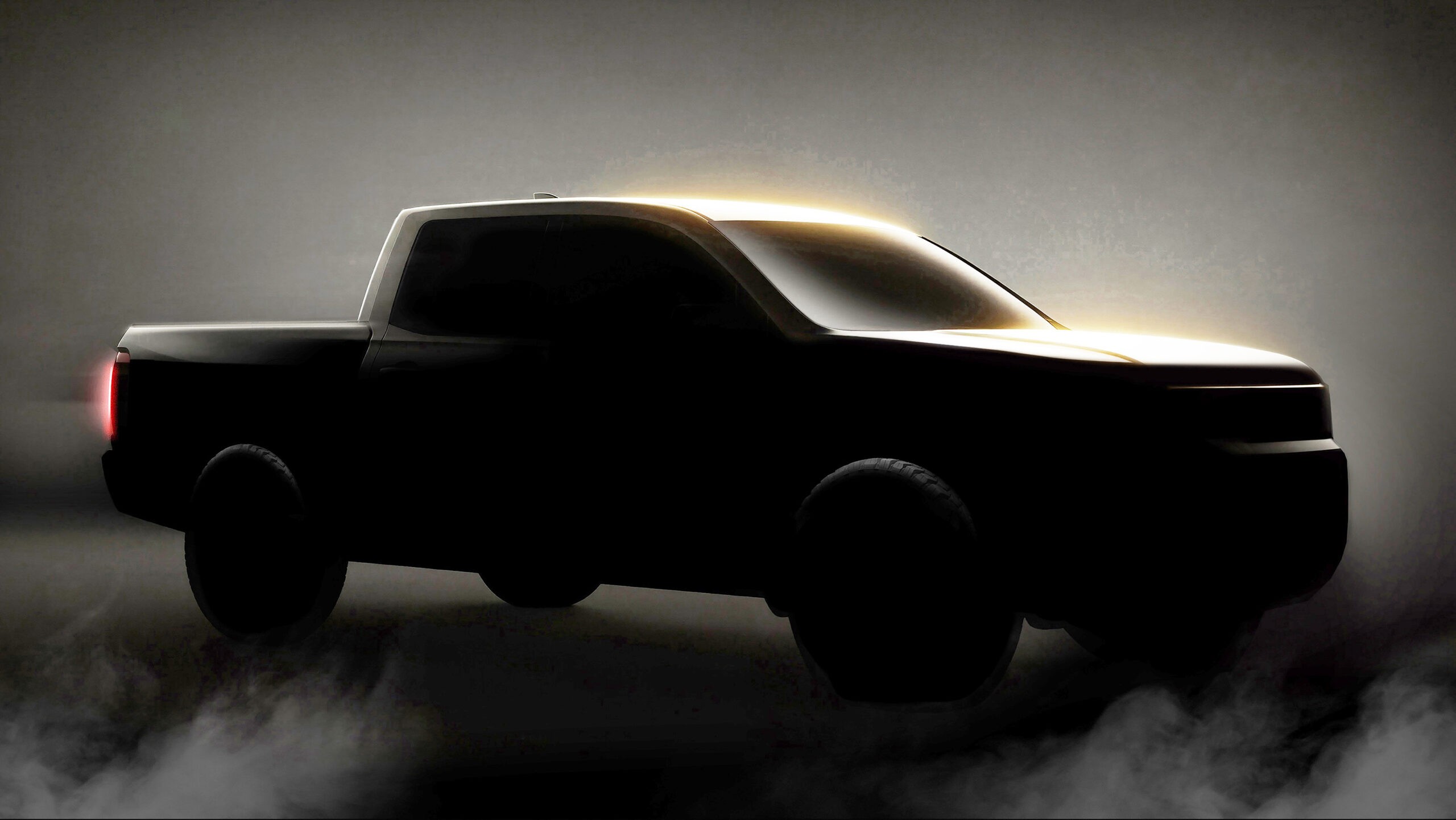
The latest visual hints drop in shadowy, dramatic fashion. But you can still read the geometry.
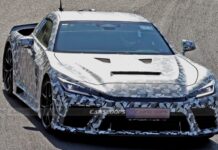
The silhouette is different. Boxier. Sharper. The front end has moved away from the sloping, car-like curves of the second generation. We’re talking a flatter hood. An upright windshield. Proportions that feel more traditional, more aggressive.
Honda developed this design in their Southern California studio. They are engineering the guts of the truck in Ohio. Production will happen in Alabama. But notice what they aren’t talking about?
Engines. Platforms. Tech suites.
Instead, Lance Woelfer, the Vice President of Auto Sales, keeps circling back to one phrase: rugged. He says the new Ridgeline will build on its legacy by gaining “even more rugged design and capabilities.”
That word choice isn’t accidental. It’s a departure.
The current Ridgeline is defined by its innovations. The in-bed trunk. The dual-action tailgate. The soft, car-like ride. These features make it practical. They make it easy to live with. But they also make it look like a crossover with a bed. The new marketing narrative deliberately sidesteps these strengths. It wants to sell the image of toughness first. Versatility second.
Body-On-Frame Or Just A Tougher Skin?
This brings up the elephant in the garage.
Since 2005, the Ridgeline has been unibody. No body-on-frame. This construction contributes to the comfortable ride but fuels the “not a real truck” argument. Is Honda planning to finally switch architectures?
A body-on-frame switch would be a massive engineering overhaul. It would require an entirely new platform. Honda hasn’t confirmed this. In fact, the teaser suggests otherwise. The visual cues point toward a tougher appearance rather than a fundamental structural change.
It is far more likely that the next Ridgeline retains its unibody structure. But it will wear a skin designed to look heavier. Stiffer. More imposing.
Why does this matter? Because perception drives sales.
If you buy a Ridgeline, you might want its smart features. But if you see a Ridgeline, you see a Honda Odyssey that learned how to haul lumber. Honda is trying to break that association. They know that for many buyers, emotion outweighs engineering. You don’t buy a truck because the torsional rigidity is optimized. You buy it because it looks like it won’t break when you back into the garage at night.
The Uncomfortable Truth About Truck Marketing
Is the Ridgeline a bad truck? Absolutely not.
In some ways, the industry should learn from Honda. A safer, more comfortable pickup with usable storage is arguably better for society than a truck that feels like it’s held together by duct tape and ego.
But the automotive industry runs on feelings.
The next Ridgeline can have the best in-bed storage system on the planet. It can get 40 mpg. It can self-park. If it doesn’t look the part, it loses. Buyers want the idea of a rugged truck. They want the boxy stance. The squared-off corners. The visual weight.
Honda is responding to that demand. They are reshaping the Ridgeline to shed its car-like skin. They want you to look at it and forget the SUV underpinnings. They want the first impression to be brute strength, not clever packaging.
Will it work? Maybe. The current generation is aging. The market is saturated. If Honda can successfully convince skeptics that the new Ridgeline is “real” enough to hang with the F-150s and Silverados of the world, they might just capture a new segment of buyers.
Or maybe they’re just painting over cracks.
The new truck is coming. It looks tougher. It promises more capability. But the question remains whether a different grille and sharper lines are enough to change a mindset that has held for two decades.
Probably not. But Honda is going to try.
They’re betting that if it looks tough enough, people will ignore the fact that it still drives like a family hauler.
We’ll see.