Most luxury SUVs die at 100k. Or worse, they don’t die, they just start eating money. You buy that shiny new crossover with the twin-turbos and the active air suspension because the showroom floor looked expensive. The warranty covers the first decade. Then? You step into the second-owner trap. The digital assistant glitches. The plastic clips in the engine bay melt from heat stress. Suddenly your status symbol is a monthly subscription to the dealer service center.
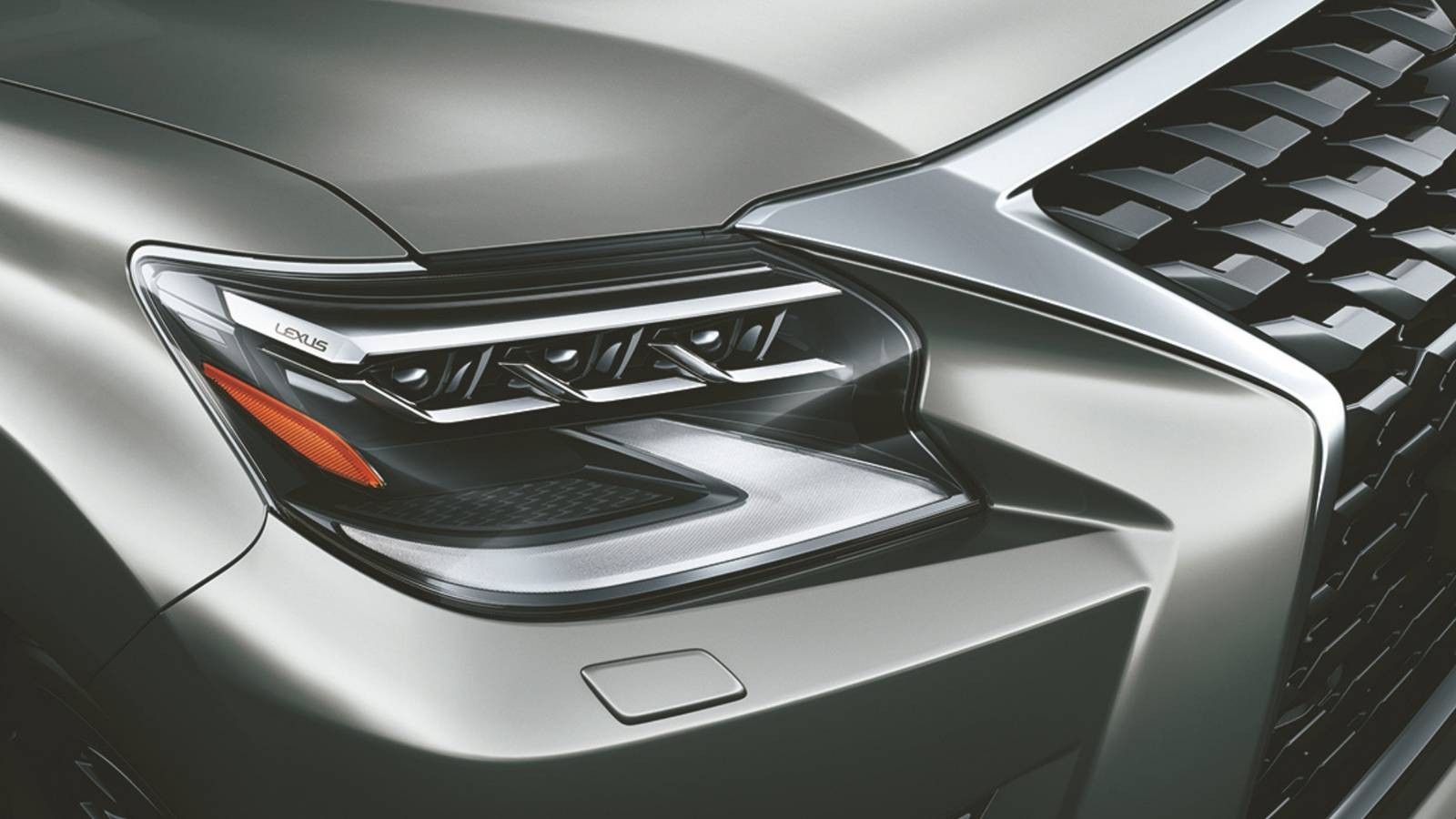
We have a problem in the auto world. Planned obsolescence disguised as innovation. But there is an escape hatch. It doesn’t have a sleek aerodynamic nose. It has a grille that looks like it chews gravel for breakfast. It’s the Lexus GX 460. And it’s the only modern luxury SUV that won’t bankrupt you if you drive it past the quarter-million-mile mark.
Why body-on-frame still wins for high-mileage owners
Let’s talk steel. Most competitors went unibody. It’s lighter, smoother, and handles better on twisty coastal roads. Fine for the first five years. Unibody cars flex. They’re designed to absorb energy in a crash, not to twist repeatedly over potholes for 250,021 miles. Over time, that single sheet of metal fatigues. Alignment goes wonky. Interior rattle becomes a constant companion.
The GX 460 ignores all of that. It sits on a body-on-frame ladder chassis. It is effectively a Toyota Land Cruiser Prado wearing a tuxedo. The frame is heavy. It is overbuilt. When the suspension flexes over a jagged rock face, the cabin stays still because the stress is taken up by the rigid steel rails, not the unibody shell.
The body-on-frame layout introduces trade-offs in handling agility, but the structural dividend paid at 200,00 miles is immense.
This architecture isn’t new. It’s old-school. And that’s why it works. European brands try to fight physics with complex software. Lexus fought it with geometry and thick steel. The result? Geometry remains intact for decades.
The anti-complexity V8 engine that just works
Look at what the Germans did. To meet CAFE standards and satisfy press journalists, they shrunk engines, added massive turbochargers, and injected fuel at pressures that could cut steel. Complex direct-injection systems run at 30,000 PSI. Coolant lines are thin plastic tubes held by tiny clamps. They last maybe six years before leaking.
Then there are the electronic gremlins. Hyper-complex ECUs talking to fiber-optic buses. When the wiring ages, ghosts appear in the system. Fixing it means replacing a computer module that costs more than a used Honda Civic.
The GX 460 takes a different path. The 4.6L 1UR-FE V8 makes a modest 301 hp. It is naturally aspirated. No turbochargers to fail. No high-pressure fuel pumps to burst. The internal components—pistons, bearings, valvetrain—operates well below its thermal limits. It breathes freely. It runs cool. It uses a timing chain, not a rubber belt that snaps after a few hundred thousand miles.
Power moves through a 6-speed Aisin automatic transmission. Not a jerky dual-clutch. Not a finicky 10-speed trying to predict your mind. Just torque. It drives a Torsen center diff and a proper two-speed transfer case with mechanical locks. If you want to survive off-road for ten years, analog is king. Digital breaks. Analog persists.
How the Lexus GX 465 lowers your total cost of ownership
Here is the real secret. Why does a “luxury” SUV stay affordable when you’re buying used parts for a ten-year-old model?
Parts synergy.
The GX shares its heartbeat with the Toyota 4Runner, Tacoma, and Sequoia. That alternator you need? It’s $80 at any AutoZone, not $600 imported from a German port with a three-week wait. The brake pads? Generic brands work fine. The filters? Standard sizes.
A mechanic in Ohio, Arizona, or Alberta doesn’t need a proprietary European scanner to bleed your brakes or change an oil filter. This independence is radical for a luxury segment owner. The Total Cost of Ownership curve is flat. Most rivals see the costs spike vertically once the warranty expires. The GX stays horizontal.
Common weaknesses you need to know before you buy:
- Secondary Air Pump: This emissions pump can suck in water vapor. The fan blade degrades. Check for rattles early. Recall or upgraded kits exist.
- Timing Cover Leaks: Factory silicone seeps over time. Not catastrophic. Just annoying and labor-intensive to fix properly. Expect to replace the sealer around year 7-9.
- Frame Rust: It has a steel ladder frame. In snow belt states, road salt kills frames faster than engines. Wash the underbody after every salty drive. If you buy one rusted through on the rails, walk away. No amount of maintenance fixes rot.
Comparing alternatives: LX series and the Acura MDx
Maybe 250k isn’t the only goal. Maybe you want more.
The Lexus LX series (specifically the older 470 or 570) sits on a ladder frame derived from the full-size Land Cruiser. The LX 570 is a fortress. However, that air suspension (Hydraulic Active Height Control) is expensive. Accumulators fail. Valves stick. The mechanical robustness is higher, but the complexity penalty for the ride comfort tech is real. Expect high repair bills if the hydraulics go south around the 12-15 year mark.
On the other end of the spectrum? The Acura MDX.
It is unibody. Like its sister the Honda Pilot, it is reliable. The 3.5L V6 is a tank, routinely hitting 200k+ with basic care. But it is not rugged. It lacks the torsional stiffness of the GX. The wheel bearings are smaller. The ground clearance is lower. If you stay on suburban pavement and smooth highways, the MDX is smarter on gas mileage and price. If you drive on dirt, or expect your suspension to last through rougher use, the unibody MDx will start to creak before the GX breaks a sweat.
So, which luxury SUV lasts the longest?
We want our cars to be appliances that drive us to our deaths without complaining. We also want them to look interesting. The modern premium market failed to balance that equation for the last fifteen years. It chose tech over torque. Software over steel.
The second-generation GX 460 (2010–2023) refuses that compromise. It is slightly awkward to steer. It drinks gasoline like it’s cheap water. It doesn’t have the latest holographic display. But when you hit 180,000 miles and the check engine light on your Q5 blinks, the GX is still just asking for a new set of pads.
The used market price holds strong for this reason. It costs more to enter than a generic crossover, but you aren’t buying a liability. You’re buying a tool wrapped in leather.
Find a clean one. Wash the frame. Change the oil early. Then drive it. And don’t worry about the next 50,000.