



You wash the car. You wax the fenders. You even remember the door jambs. Then you pop the hood.
There it is. A brown, crusty film coating everything from the intake manifold to the alternator. It looks like a swamp monster’s leftover breakfast. You might assume it’s just road grime. Or bird poop that got unlucky.
But that gunk is often motor oil. And it’s not just an aesthetic issue.
A dirty engine doesn’t just look bad. It runs worse. Oil deposits trap heat. They insulate components that need to breathe. They clog ventilation pathways. When sludge builds up, horsepower drops. Efficiency takes a hit. You’re literally paying to drive a car that’s strangling itself.
Here’s the twist: motor oil is supposed to clean. It carries away contaminants. It prevents sludge. So why is your engine looking like a grease trap?
The answer lies in how that oil is being used. And abused.
How Motor Oil Deposits Are Formed
Oil isn’t a static substance. It’s a moving chemical system. It circulates under pressure. It hits friction points. It gets hot.
Heat is the enemy. When oil overheats, it breaks down. Thinner compounds evaporate. Thicker residues remain. These residues mix with carbon byproducts from combustion. They mix with dust. With dirt. With moisture.
That mixture thickens. It turns into varnish. Then sludge. Then a solid crust.
This process accelerates if you ignore maintenance. Short trips don’t let the engine reach optimal operating temperature. Moisture doesn’t burn off. It mixes with oil. It creates acidic conditions. Acid eats at seals. It leaves behind corrosive deposits.
Modern oils have detergents. Dispersants. Additives designed to keep things suspended. They hold particles in place until the filter catches them. They prevent clumping. They break down acids.
But additives deplete. Over time. Under stress. High heat. High RPM. Stop-and-go traffic. Towing.
When the additives run out, the oil can’t do its job. Contaminants settle. They stick to hot surfaces. They bake on.
The result is a layer of sludge that no amount of exterior washing will remove. It’s inside the crevices. Under the valve cover. Around the PCV valve. Deep in the engine bay.
And it’s getting worse.
How often do you check your oil level? Not just the dipstick. But the condition. The color. The smell. Burnt oil smells sweet. Like burnt sugar. It’s a warning sign.
Sludge doesn’t appear overnight. It accumulates. Gradually. Silently. Until one day, your car misfires. Or overheats. Or simply refuses to start.
The oil was there to help. But it failed. Because it was overloaded. Or degraded. Or simply ignored.
Understanding this formation process is the first step. The second? Cleaning it up. Without damaging sensitive components. Without stripping away essential lubrication. Without voiding warranties.
But that’s a different problem. For now. You just need to know why your engine looks like a crime scene.
It’s not neglect. It’s chemistry.
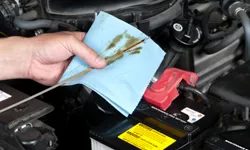

Most drivers treat engine oil as a simple lubricant. It’s wrong. It’s a chemical battlefield. When you understand how and why motor oil deposits get lodged in your car’s engine, you’ll better understand the qualities and properties of the various oil options on the market, and the importance of choosing the right product for your car.
According to oil marketing company Castrol, the top causes of oil-related engine deposits are:
- Excessive idling and lots of short trips, which prevent the oil from fully cycling
- Environmental contaminants in the oil (like dirt and debris)
- Condensation, which can contaminate the oil with moisture
- Hot spots, which bake clumps and oil right onto the engine
There are several different types of engine buildup, not all of which are caused by motor oil. Even when buildup is caused by another problem (condensation or leaky seals, for example), your engine’s oil can contribute to the problem because as it circulates, it distributes contaminants and foreign fluids throughout the entire engine.
Buildup is actually comprised of unburned and partially burned fuel, metal fragments from engine component wear and dirt and debris that find a way inside your car’s engine. Deteriorating piston rings and seals allow partially combusted fuel to escape, which also causes buildup. The deposits are carried through the oil until they find somewhere to settle, restricting or blocking the surrounding oil flow, which causes increased engine wear. Deposits are thick and gummy as they form, and often harden once they settle somewhere in the engine. Heat from the engine will quickly cook the deposits solid, and once a blockage spot is established, new buildup will often settle on top of it instead of allowing the oil to flow around it. Soon, there are hard layers of grime, which are difficult to remove. Prime targets for various forms of deposits include the fuel injectors, piston rings and valves, all of which will interfere with the engine’s smooth and efficient operation.
In addition to its lubricating properties, oil helps clean the engine and prevent new deposits by dissolving sediment buildup and capturing debris.
4: Don’t Fear Paraffinic Waxes
Synthetic oils often get the credit for keeping engines clean. Mineral oils get the blame for sludge. The truth is messy. Paraffinic waxes are a major component of base stocks. They come from crude oil. People assume these waxes cause the gunk inside your engine. They don’t. In fact, they help.
High-quality paraffinic waxes actually improve the oil’s ability to suspend particles. Without them, debris settles faster. The wax molecules surround contaminants, keeping them in suspension until the oil filter can trap them. It’s a chemical trick. If you remove the wax, you lose that protective effect.
This matters most in short-trip driving. When you only drive to the grocery store, the engine never gets hot enough to burn off moisture or circulate oil fully. Condensation builds up. Sludge forms. The wax helps fight back by holding the water and particles in a stable mix. Once the engine finally heats up, the oil flows better. The wax breaks down just enough to release the captured dirt. Then the filter catches it.
So-called “wax-free” synthetic blends sometimes claim superiority. But removing paraffinic waxes entirely can reduce the oil’s dispersancy. That’s the technical term for the oil’s ability to keep dirt from clumping together. Less dispersancy means more sludge. More sludge means clogged oil
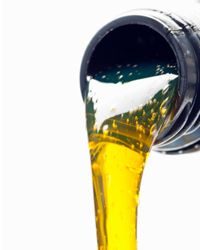

The confusion surrounding engine sludge often stems from persistent myths about specific oil types. One of the most common is the idea that paraffinic oils cause deposits because of natural waxes. This isn’t entirely wrong. But understanding why requires looking at how mineral oil is actually made.
The Truth About Paraffin-Based Mineral Oil
Mineral oil comes from crude, a non-renewable resource. Refineries break crude down into various products. Gasoline. Kerosene. And motor oil. It’s just one output from a complex process.
The term “paraffinic” refers to a specific type of crude source. Paraffin-based crude contains wax. Naturally. Motor oils derived from this source have a bad reputation for deposit formation. People blame the wax.
Here’s the catch. Manufacturers remove most of the wax during refining. Wax doesn’t help engine performance. It’s actually useful for making candles or other commercial goods. So, it’s stripped out.
However, not all of it goes away. Removing every trace of paraffin is expensive. It’s inefficient. For mass-market mineral oil, that cost doesn’t make sense. The result? Shelf-stable mineral oils still contain tiny amounts of residual wax.
At low temperatures, this residual wax can clump. It forms crystals. Yes. But this is not the thick, greasy sludge drivers fear. It’s a minor issue. Not a catastrophic failure.
Why Synthetic Oil Isn’t a Magic Bullet
Mineral oil has limits. You might think switching to synthetic fixes everything. The name sounds cleaner. More scientific. But don’t assume synthetic oil prevents buildup entirely.
It’s a different chemistry. Better stability. Longer life. But it still breaks down over time. Contaminants still enter the system. Fuel dilution still happens. And if you’re pushing your oil change intervals too far, even synthetic oil can’t stop the inevitable.
Synthetic oil delays problems. It doesn’t eliminate them.
The real issue isn’t just the base oil. It’s how long it sits in your engine. And what else is mixed in.

The choice between mineral and synthetic oil is rarely a simple one. It is the first major fork in the road for any car owner trying to keep their engine alive.
Mineral oils start as crude. They come from deep underground, carrying sulfur and other nasty contaminants. Refineries strip out most of the junk, but they can’t get it all out. Trying to purify mineral oil to a theoretical 100% clean state is financially suicidal. The machinery required doesn’t exist because the cost would be impossible to justify. So, you are left with base oil that still holds impurities. Those impurities? They turn into sludge. They become the deposits that choke your engine over time.
Synthetic oil is different. It is more expensive. It is also lab-engineered. Since it isn’t pulled from fossil fuel reserves, it saves non-renewable resources. Chemists blend it to specific specs. You can tailor the viscosity and additives for a high-performance V8 or a sluggish commuter sedan. It is cleaner. It is more precise.
But don’t let the marketing fool you. Manufacturers want you to think synthetic oil is a cure-all. A miracle fluid that lets you ignore maintenance. You might be tempted to stretch the interval. Drive 10,000 miles on one change because the oil looks fine in the dipstick tube.
Stop.
Mike Allen from Popular Mechanics has a blunt warning. Even with synthetic oil, gunk builds up. The engine gets healthier, sure. The lubrication film is stronger. The thermal breakdown is slower. But the contaminants from combustion—soot, fuel dilution, acid byproducts—still exist. They don’t vanish just because the base fluid is synthetic.
If you want to know which oil change interval is safe for your vehicle, the answer is rarely “whenever you feel like it.” Stick to the manufacturer’s recommendation. For many cars, that is still 3,000 to 5,000 miles. Or 4,828 to 8,047 kilometers.
Change Your Oil at the Proper Interval
The myth that synthetic oil eliminates the need for frequent changes is dangerous. It is a financial trap wrapped in chemical superiority. You pay a premium for the fluid. You might think you are saving money by skipping a change. You are actually risking your engine.
Sludge doesn’t care if your oil is synthetic. It forms from heat, time, and contamination. If you extend the interval, you extend the time contaminants sit in the crankcase. They degrade the oil. They clog the pickup screen. They starve the bearings.
The cost-benefit analysis is simple. Synthetic oil protects better under stress. It flows better in the cold. It resists breakdown. But it does not make the engine self-cleaning.
So, you weigh the higher price of the bottle against the lower frequency of the change. You look at your manual. You check the light on the dashboard. And you go to the shop anyway. Or you grab the wrench yourself. The interval remains the same. The dirt remains the same. The oil changes.
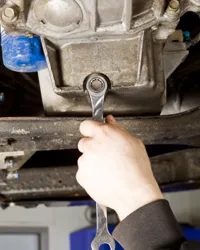
The old rule of thumb says change your oil every three months or 3,000 miles, whichever comes first. It’s a guideline that feels archaic in the age of synthetic blends and extended drain intervals, yet the core logic holds water for most daily drivers. Some vehicles and oils can stretch that window significantly. Others, particularly high-performance machines or race cars, demand more frequent attention. But if you want to keep the engine running, stick to the manufacturer’s interval schedule.
The “whichever comes first” clause is where people get tripped up. You might drive 500 miles in three months and think you’re fine. You’re not. Time matters just as much as mileage. Why? Because motor oil doesn’t just sit there.
The Chemistry of Breakdown
Oil undergoes oil viscosity breakdown the moment it’s exposed to heat and shear forces. When the engine runs, oil circulates under pressure, getting crushed between grinding gears, pistons, and camshafts. Its primary job is to prevent metal-to-metal contact. It succeeds, but at a cost. The oil absorbs the shock of moving metal. This mechanical stress destroys the oil’s structure, thinning it out.
Viscosity is the measure of that thickness. It’s why oils have numbers on the bottle (like 5W-30). Those numbers dictate how the fluid flows at different temperatures. When viscosity breaks down, the oil loses its ability to maintain a protective film. It becomes too thin to lubricate properly.
But it’s not just about thickness. Modern motor oil is a cocktail of additives. Detergents neutralize acids. Anti-wear agents coat metal surfaces. Viscosity modifiers keep the fluid stable. Over time, these chemicals degrade. They evaporate. They lose potency. They get used up.
The Cost of Waiting
Once the additives are spent and the viscosity is compromised, the oil stops doing its job. It can’t lubricate as effectively. It can’t clean the engine surfaces. It can’t trap contaminants. It can’t condition seals. Fuel economy drops. Wear increases.
The risk of saving a few bucks on an oil change seems negligible when you consider the cost of an engine rebuild. Why wait?
1: Follow the Manufacturer’s Recommendations
Dealerships and OEMs have run the tests. They know what their engines can handle. If they say 10,000 miles, trust them. If they say 5,000, change it. Don’t guess.

Skip the right oil and all your maintenance efforts go down the drain. The safest move is sticking to what the manufacturer says. Your engine runs best on specific fluids. If you have a warranty, using the wrong stuff can void that engine coverage. It happens. You ignore the manual, you buy the cheap stuff, and suddenly your warranty is null and void.
The owner’s manual tells you if you need synthetic or mineral oil. High-performance engines need premium oil. It stops debris from building up. But the source of the oil isn’t the only thing that matters. The people who engineered your car know best. Trust them.
Viscosity is the next big factor. People call it “weight,” but it’s more nuanced than that. Engines have different tolerances. Tolerance is how moving metal parts interact as the engine churns. Tight tolerances mean parts mesh closely. There’s little room for error. This is critical for big, expensive performance engines. Economy cars often have looser tolerances. Higher clearance. So, what’s the oil’s job? It has to slip between those meshing parts. Prevent metal-on-metal contact.
Viscosity ratings tell you how thick the oil is. And how well it flows. Does it slip through easily? Or cling to the metal? Some oils hate temperature changes. Others handle the heat. Your manual specifies which oil works for which weather. Don’t guess.
Manufacturers add specific additives to their oils. They customize products for different cars. Different weather. Different driving styles. High-mileage cars get special blends. Stop-and-go commuting gets another. Racing gets yet another.
These additives do specific jobs. Conditioners lubricate seals. They prevent debris from passing through. Detergents clean. Their main job is preventing deposits. They also stop rust and corrosion inside the engine. They might even dissolve existing buildup before it causes real damage. Dispersants break down gunk. They suspend particles in the oil. As the oil flows, the filter catches the contaminants.
But don’t trust the marketing hype completely. Some experts say additives aren’t as helpful as they claim. They have a limited lifespan. They don’t provide benefits beyond the standard oil change interval anyway. Once the oil degrades, the additives stop working. You’re just driving on lubricant with expired chemicals.
Follow the links on the next page for more info on keeping your engine healthy.


