You turn the key. The engine catches. You pull away from the curb. Your brain is already thinking about the grocery list or the traffic ahead. You aren’t thinking about the electrical nervous system firing behind your dashboard. But it is.
Since 1996, every light-duty car sold in the US has been legally required to carry an on-board diagnostics system. The EPA mandated this to keep emissions in check. It’s not just about keeping the air clean. It’s about knowing when your machine is breaking down before it breaks you on the side of Interstate 95.
Think of OBD like a home fuse box. If a circuit shorts out, the power cuts to that room. In a car, the system doesn’t cut power. It just flashes a light. A tiny, colored eye staring at you from the dash. It says something is wrong. It doesn’t tell you what. It just tells you to look.
How OBD-II Changed the Game
Vehicles had basic diagnostics in the 1980s. They were proprietary. Messy. Ford talked to Ford. Chevy talked to Chevy. You needed a different scanner for every brand.
Then came OBD-II.
The second-generation system standardized the language. Any car weighing 8,500 pounds or less uses the same diagnostic port. Same plug. Same code structure. This wasn’t just about convenience. It was about enforcing stricter emissions standards. The engine had to prove it was running clean. If it wasn’t, the sensor knew. And it would tell the driver.
But emissions are only one slice of the pie. The system monitors the engine, the electrical grid, the brakes, and more. When a sensor detects a deviation from designed specifications, it triggers a warning.
Which warning? That depends on the light.
Decoding the Check Engine Light
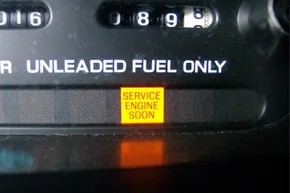
The most famous light is the one shaped like an engine block. Technically called the Malfunction Indicator Lamp (MIL). It’s usually yellow or orange. Sometimes it’s just the letters “CHECK ENGINE” or “SERVICE ENGINE SOON.”
When it sits steady, you aren’t dead in the water. You have time. You can drive to work. You can call your mechanic. You can diagnose the problem.
But watch the flicker.
If the light starts flashing, everything changes. A steady light means a fault exists. A flashing light means a severe misfire is happening right now. Fuel is likely dumping into the exhaust. Catalytic converters melt. That is a $2,000 mistake waiting to happen. If it flashes, pull over. Stop the engine. Call for a tow.
Brakes and Beyond
The brake warning light is different. It’s red. Red means stop. It usually says “BRAKE.” It can mean two things. Either your parking brake is engaged. Or your hydraulic system has lost pressure. If the Anti-Lock Braking System (ABS) light is on, your normal brakes still work. The ABS just shuts off. You can steer. You can stop. But you won’t have the anti-skid protection on ice. Take it in soon.
Then there are the silent killers.
The battery light. It doesn’t always mean the battery is dead. It often means the alternator isn’t charging it. You have a few miles left. Then you’re sitting in the dark.
The oil light. This is the one you fear. Low pressure. Low level. Either way, metal is grinding on metal without lubrication. You’ll hear it before you see the light if you’re lucky.
The airbag light. It means the bag won’t deploy in a crash. You might walk away from a fender bender with a bruised ego. You might not walk away at all if the impact is severe.
The temperature gauge. Or the thermometer icon. Overheating. Head gasket failure. Warped blocks. Steam exploding into the windshield.
Each car is different. Your owner’s manual is the bible. Read it. Or at least know where it is.
What Actually Trips These Lights?
Why does the light come on? It’s not random. It’s data.
Sensors are placed in vital areas. They send voltage readings to the computer. The computer compares those readings to a map of “normal.” If the voltage is off, or the timing is late, or the pressure is low, the computer logs a code. That code triggers the light.
But which sensor? And how bad is it?
The scanner only tells you the code. It doesn’t tell you the fix. A P0420 code could mean a bad catalytic converter. Or it could mean a leaky oxygen sensor costing $50. Or it could mean a dirty fuel injector.
The light is the symptom. The diagnosis is the work.
What to Do When Your Check Engine Light Stays On
Sensors don’t lie. They just report.
When that amber check engine light blinks or glows steady, your car’s emissions system is sending a distress signal. It might be as trivial as a loose gas cap. That’s an easy fix. You tighten it, drive for a few cycles, and the light vanishes. But sometimes it points to the dark stuff. Spark plug wires that have cracked. Fuel injector O-rings that have gone brittle and leak. Faulty oxygen sensors throwing off the air-fuel ratio. Or worse, water in the engine where it shouldn’t be. Moisture in the combustion chamber is a quick ticket to a hydrolocked engine and a tow truck.
The red brake light is another matter. If it’s on while you’re driving, don’t just keep going.
Usually, it means the parking brake is engaged. You forgot to let it up. But if you’ve released it and the light persists, or if it flickers on when you press the pedal, you have a hydraulic failure. One side of the braking circuit has lost pressure. Master cylinder fluid is likely low. If the ABS light joins the party, turning red, the system is compromised. Stop. Do not attempt to drive the vehicle. It’s not safe.
Alternator and Electrical Failures
The battery light is often misunderstood. It doesn’t always mean the battery is dead.
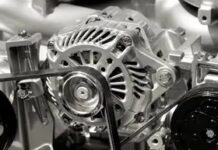
It means the alternator isn’t charging it. The alternator’s job is to power the car’s electrical loads—the ignition, fuel pump, radio, lights, HVAC blower—and recharge the battery simultaneously. If the belt slips, snaps, or falls off the pulley, that supply chain breaks. The battery takes the hit. It can run the engine for a few miles. Maybe ten. Then the electronics die. You’ll stall. You’ll be stranded.
Overheating and Oil Pressure
Temperature warnings are critical.
Sensors in the cylinder head monitor heat. Coolant sensors monitor fluid volume. If either is out of range, the light triggers. An overheated engine destroys head gaskets and warps blocks. This isn’t a “wait and see” situation. Pull over immediately. Turn off the engine. Let it cool.
Oil pressure is equally unforgiving.
The light triggers on low pressure or low volume. If the oil pan is full, the issue is pressure. That means the oil pump is worn or broken. The pick-up screen in the crankcase is clogged with sludge. The oil filter is plugged. Without pressure, metal grinds on metal. Bearings melt. Pistons seize. You lose the engine.
Are Warning Lights Reliable?
You might wonder: can you trust these glowing eyes?
Yes. You can be pretty sure.
Sometimes, a sensor trips and the light goes out immediately. The Engine Control Unit (ECU) saw a glitch. It logged a code. But the condition didn’t repeat. The problem corrected itself. This happens with loose connections or transient voltage drops. Unless your owner’s manual says otherwise, a one-time flash that stays off doesn’t require a shop visit. It’s a hiccup, not a crisis.
How to Diagnose Car Warning Lights Accurately
Before you even get in the car, check the bulbs.
Turn the ignition to “on.” Every warning light should illuminate for a few seconds. If a bulb is burnt out, it won’t light up. Replace it. Simple as that. This self-test ensures you’re not missing a critical alert later because a filament blew.
If the light stays on, though, you need data.
A repair shop uses an OBD (On-Board Diagnostics) code reader. These tools plug into the port under the dash. They don’t guess. They talk directly to the ECU. The reader tells you exactly which sensor tripped. It gives you a specific code. That code narrows down the failure to a specific component or system. It turns a vague “something is wrong” into a concrete repair plan.
Why Your Car’s Diagnostic System Matters
The check engine light isn’t designed to scare you. It’s designed to inform you.
Modern vehicles have dozens of sensors monitoring everything from exhaust emissions to transmission fluid temperature. The ECU processes this data in real-time. When a parameter falls outside calibrated limits, the ECU triggers a warning. It’s not perfect. Sensors fail. Wiring corrodes. But the system is built to catch issues before they become catastrophic failures.
For enthusiasts, this is data.
A code reader reveals the health of your machine. It tells you if your oxygen sensor is sluggish. If your catalytic converter is inefficient. If your ignition timing is off. It’s not just about avoiding a fine or passing inspection. It’s about maintaining performance and preventing expensive damage.
Understanding OBD Codes and Vehicle Maintenance
Not all codes are equal.
Some are pending. They indicate a problem that occurred once but hasn’t happened again. Others are confirmed. These require attention. The code itself points to a circuit or system. Code P0300, for example, indicates a random misfire. It doesn’t tell you why. Was it a bad spark plug? A clogged injector? A vacuum leak? You still need to diagnose the root cause.
But the light gives you a starting point.
Without it, you’re guessing. With it, you’re investigating. This is why keeping up with maintenance isn’t just about oil changes. It’s about preserving the integrity of the diagnostic system. Clean sensors. Good wiring. Proper fluids. The more reliable the input, the more accurate the output.
The Role of Emissions Systems in Warning Lights
The emissions system is often the first to trigger the check engine light.
Why? Because it’s complex. It involves sensors monitoring oxygen levels, exhaust gas recirculation, evaporative fuel systems, and catalytic converter efficiency. The EPA mandates strict controls. The ECU watches these closely. A small leak in the evaporative system can trigger a light. A slightly rich fuel mixture can do it too.
This isn’t just about compliance.
It’s about engine health. The air-fuel ratio is delicate. Too rich, and you wash oil off the cylinder walls, increasing wear. Too lean, and the engine overheats. The sensors catch these imbalances early. The light warns you to adjust your driving or seek service before you cause permanent damage.
When to Ignore a Flashing Light
Most lights are steady. Some flash.
If the check engine light flashes, it usually indicates a severe misfire. A misfire sends unburned fuel into the exhaust. This can overheat the catalytic converter in seconds. The converter melts. It becomes a restriction. The engine loses power. It can even catch fire.
A flashing light is a command to stop driving as soon as safely possible. Reduce load. Drive gently. Do not ignore it. A steady light is a reminder. A flashing light is an emergency.
The Future of Automotive Diagnostics
Cars are getting more complex. The sensors are more numerous. The codes are more specific.
But the principle remains the same. Detect. Report. Alert.
As vehicles become more computerized, the link between driver and machine grows stronger. The warning lights are the conversation. They tell you what’s happening. They tell you what’s broken. They tell you what needs fixing.
Listen to them.