The automotive industry is currently dominated by a single, powerful trend: the shift from traditional sedans to SUVs and crossovers. As consumer demand for higher seating positions and versatile cargo space continues to climb, manufacturers are aggressively restructuring their lineups to prioritize these high-margin vehicles. Mazda is no exception to this trend.
While Mazda already boasts a robust portfolio of crossovers, a recent trademark filing suggests the company is preparing to further densify its lineup to capture even more market share.
The “CX-40” Mystery
On February 27, 2026, Mazda filed a trademark for a new model name: the CX-40. While the filing provides no technical specifications or design details, industry analysts are already working to determine where this new vehicle fits within the existing hierarchy.
Based on Mazda’s current naming convention, the CX-40 is expected to bridge the gap between the entry-level CX-30 and the more rugged CX-50. If this positioning holds true, the CX-40 would enter one of the most fiercely contested segments in the global auto market, directly competing with heavyweights such as:
- Toyota Corolla Cross
- Chevrolet Trax
- Honda CR-V
- Toyota RAV4
Why Expand an Already Crowded Lineup?
At first glance, adding another model might seem redundant, especially with the upcoming CX-5 expected to occupy a similar space. However, Mazda’s move reflects a sophisticated “niche-filling” strategy.
Modern car buyers are increasingly well-informed and prone to “cross-shopping”—comparing multiple brands and specific trim levels before committing. By diversifying its “CX” family, Mazda aims to offer a tailored solution for every type of driver:
* The Urbanite: Seeking a compact, agile vehicle (CX-30/CX-5).
* The Adventurer: Looking for ruggedness and performance (CX-50).
* The Family Planner: Needing maximum space and utility (CX-70/CX-90).
By introducing the CX-40, Mazda is attempting to leave no stone unturned, ensuring that no matter what specific size or capability a customer seeks, there is a Mazda model designed to meet it.
Beyond the CX-40: A Vision for the Future
The CX-40 might only be the tip of the iceberg. Recent trademark activity shows that Mazda has also filed for names like CX-10 and CX-20, suggesting a much broader expansion toward smaller, more accessible vehicles.
This expansion aligns with Mazda’s long-term technological roadmap, which includes:
1. In-house hybrid development to improve efficiency.
2. A dedicated Battery Electric Vehicle (BEV) platform for the next generation of cars.
3. Updated SKYACTIV engines to maximize internal combustion performance.
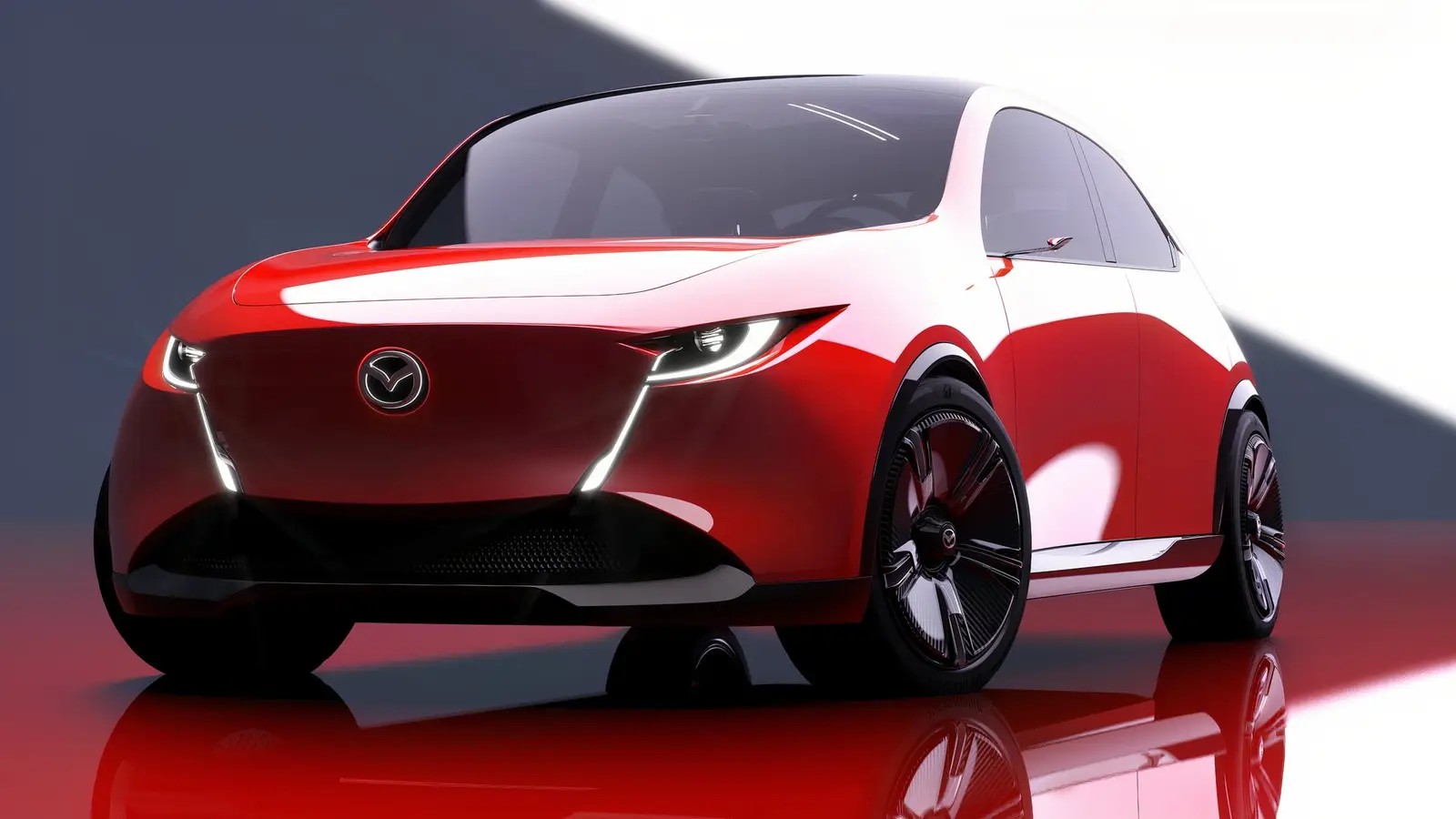
There is significant speculation that future “CX” models could be based on recent concept vehicles, such as the Vision X-Compact seen at the 2025 Japan Mobility Show. This could mean the CX-40—or even the CX-10—might arrive as a highly efficient hybrid or a fully electric crossover.
The Bottom Line: Mazda is doubling down on the SUV segment, using strategic naming and diverse model sizes to compete with industry giants and capture a wider variety of consumer lifestyles.
Conclusion: Mazda’s trademarking of the CX-40 signals a strategic push to dominate the crossover market by offering highly specific vehicle sizes. As the brand pivots toward hybrid and electric powertrains, this expansion is likely the first step in a much larger evolution of their global lineup.