The pause is over. After being shelved due to a lack of budget, social leasing is officially back on the calendar for September 2025. It is a move that many have been waiting for. The timing makes sense. Energy transition pressures are high. Household budgets are squeezed. Everyone is looking for ways to make electric vehicles accessible to people who aren’t wealthy.
The Core Mechanism Returns
The framework for 2025 mirrors the success of the first iteration. The goal is straightforward. It allows lower-income households to drive a brand-new electric car. They do this through a long-term rental scheme with heavily subsidized rates. The state covers the bulk of the cost.
The government is expected to cap the monthly rent at roughly €100. This figure excludes insurance and maintenance. The contract length will likely span three to four years. Detailed rules will drop when the new school year begins. However, the core filters remain. Income limits and professional usage criteria will still apply. You have to prove you need the car for work or live within specific resource brackets.
Which Cars Make the Cut?
Eligibility for these subsidized rentals focuses on small and medium-sized electric cars. There is a strict requirement for European manufacturing. This serves two purposes. It supports industrial sovereignty. It also keeps the carbon footprint lower by reducing transport emissions from overseas shipping.
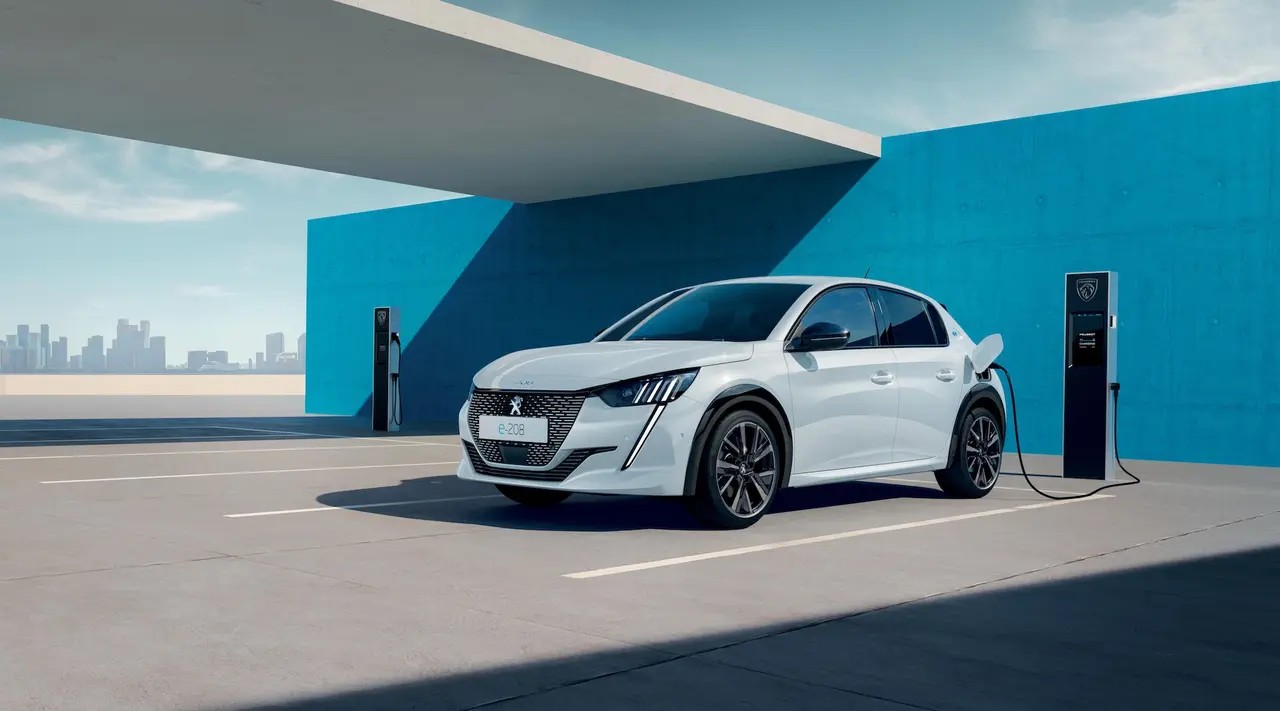
Stellantis dominates the eligible list. Their compact and city models are the primary targets for this program. The lineup includes:
- Peugeot e-208
- Peugeot e-2008
- Peugeot e-Rifter
- Peugeot e-308
- Opel Mokka
- Opel Frontera Electric
- Fiat Grande Panda
- Fiat 500e
- Fiat 600e
- Citroën ë-C3
- Citroën ë-Aircross
Prices start at €95 per month depending on the specific model. It is a tight window for entry. You need to know exactly which trims count and where the income thresholds sit before applications open.
Social leasing is about more than just cheap rides. It is an industrial policy wrapped in a subsidy. It keeps European factories running while helping families escape fossil fuel dependence.
The vehicle choices reflect a compromise between affordability and sustainability. You are not getting luxury EVs here. You are getting practical, efficient machines built on proven platforms. The €100 cap is aggressive. It forces manufacturers to keep base models cheap enough to absorb the state subsidy without losing money on the deal.
Will this be enough to shift consumer habits? Or will charging anxiety and range fears still keep people away? The car is only half the battle. The infrastructure is the other. But for those who qualify, the barrier to entry just got significantly lower.
The French social leasing scheme: who is it aimed at and how does it work?
Renault is launching three electric car candidates: the retro-style R5 E-Tech, the stylish Megane E-Tech and the all-new R4 E-Tech. But owning a car is only half the battle. By 2025, the real question is whether they will actually be available to ordinary French households through the social leasing scheme.
Eligibility criteria are specific. You must be of legal age in France and have a taxable income of less than 15,400 euros per share. This is the starting point. However, income alone does not guarantee a place. Priority is given to those who put serious miles on the clock, especially those who drive more than 8,000 kilometers a year. Even if your commute is not that long, you can still participate if your home is more than 15 kilometers from your usual place of work. This is a policy that aims to target mobility needs rather than just low-income groups.
The process itself has not changed much. You can simulate your eligibility online at the manufacturer’s website or in person at a dealer. Upload proof of your income. Sign contracts electronically. It’s simple enough. But the problem is that the supply is limited. Only 50,000 vehicles have been allocated in the 2025 budget. For a country desperate to electrify its aging fleet, 50,000 vehicles is just a drop in the ocean.
Get to know the incentive landscape
Social renting isn’t the only game in town. Since July, the “coup de pouce électrique” has taken on the role of ecological bonus. This is a straight cash incentive, although the amount varies. Some regions and metropolitan areas also offer their own local support on this basis. Manufacturers may throw in their own periodic boosts from time to time. The landscape is fragmented, messy and constantly changing.
The new push for social leasing aim to bring France’s parking lots into the era of electrification one household at a time. It also tightens the already tight competition between domestic companies such as Renault and their European rivals. Who will conquer the mass market? Who moves units when budgets are tight?
The 2025 version will have to prove it can handle that amount. The first version got bogged down by production and logistics bottlenecks. If the same problems repeat themselves, the promise of accessible electric mobility will remain just that: a promise. The demand is there. The cars are ready. The question is whether the infrastructure can keep up.