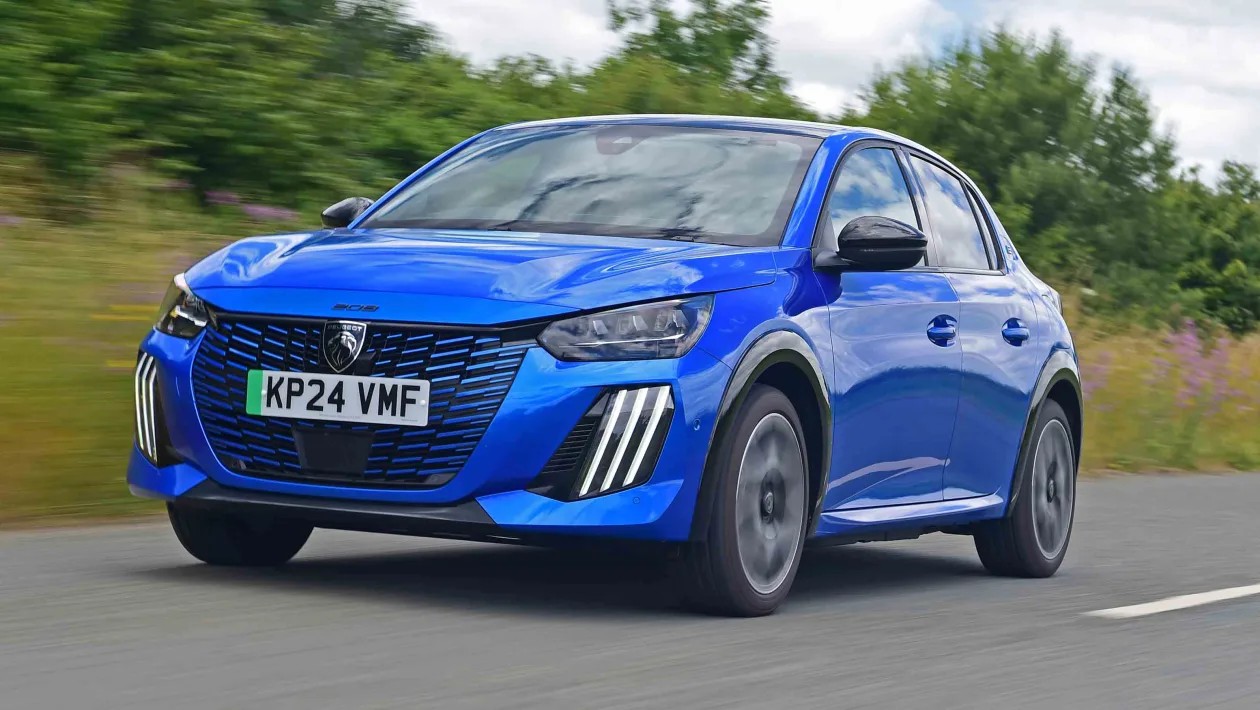
The Peugeot 208 has carved out a distinct niche in the competitive supermini market by prioritizing aesthetic appeal and interior quality over raw practicality and driving engagement. While it offers a premium feel that surpasses many rivals, potential buyers must weigh these benefits against higher costs, compromised rear passenger space, and a driving experience that favors comfort over excitement.
A Return to Design Excellence
Peugeot’s history in the small car segment is punctuated by the massive success of the 205 in the 1980s and 1990s. Following that era, the brand struggled to maintain its design leadership, often producing competent but uninspiring vehicles. The current generation 208 marks a significant turnaround, addressing previous criticisms of a lack of flair with a bold, modern aesthetic both inside and out.
This focus on design is complemented by a diverse powertrain lineup that reflects the industry’s shift toward electrification. Buyers can choose from:
* Traditional Petrol: A 1.2-litre PureTech engine.
* Mild-Hybrid (e-DSC6): Two variants offering improved fuel efficiency and slightly enhanced performance.
* Fully Electric (E-208): For those seeking zero-emission driving, though this model is reviewed separately due to its distinct characteristics.
Driving Dynamics: Comfort at the Cost of Fun
The driving experience in the Peugeot 208 is defined by a trade-off: it is highly composed and comfortable on long journeys but lacks the agility and engagement of sportier rivals like the SEAT Ibiza or Honda Civic.
Engine Performance
The standard 1.2-litre petrol engine (99bhp) provides adequate power for city driving but feels leisurely on the open road, achieving 0-62mph in 10.1 seconds. The mild-hybrid variants offer a noticeable improvement in responsiveness:
* 110bhp Mild-Hybrid: 0-62mph in 9.8 seconds.
* 134bhp Mild-Hybrid: The quickest variant, reaching 0-62mph in 8.1 seconds with a top speed of 127mph.
While the engines themselves are refined, the six-speed manual gearbox feels vague and rubbery, a common complaint among testers. Automatic transmission is only available on the mild-hybrid models.
Handling and Ride Quality
* City Driving: The steering is light, making parking and tight maneuvers effortless. However, the small, oddly shaped steering wheel and poor rear visibility (due to a small rear window) can make parallel parking challenging.
* Country Roads: The car feels safe and predictable but lacks the sharp steering feedback needed for spirited driving. It is better suited for sensible B-road cruising than corner-carving.
* Motorway: This is the 208’s strong suit. The ride is calm, noise insulation is good, and the mild-hybrid engines provide enough torque for stress-free overtaking.
Interior: Premium Feel with Ergonomic Quirks
The interior of the 208 is arguably its strongest selling point, featuring high-quality materials and a fashionable layout that rivals cars in higher price brackets. However, the design choices are not without controversy.
The i-Cockpit Controversy
Peugeot’s signature “i-Cockpit” features a small, low-set steering wheel with digital instruments mounted high on the dashboard. Drivers must look over the wheel rather than through it. While some appreciate the unique aesthetic, others find it uncomfortable or difficult to see all information at once. It is crucial to test this setup before purchasing to ensure it suits your physical dimensions and driving style.
Technology and Trim Levels
* Style (Entry): Includes LED headlights, automatic lights/wipers, and a 10-inch touchscreen with wireless Apple CarPlay and Android Auto.
* Allure (Recommended): Adds alloy wheels, front parking sensors, and a digital instrument cluster.
* GT & GT Premium: These higher trims offer ambient lighting, heated seats, Alcantara upholstery, and advanced driver aids like adaptive cruise control.
The infotainment system, while visually striking, can be less intuitive than competitors like the Volkswagen Polo or SEAT Ibiza. The touchscreen is responsive but requires more steps to access basic functions.
Practicality: Compromised Space
If interior style is the 208’s strength, practicality is its weakness. Compared to rivals like the Renault Clio and Honda Jazz, the 208 offers less usable space.
- Rear Passenger Space: Legroom is tight, and the high door sills make it difficult to install child seats or allow adult passengers to enter and exit comfortably. Tall drivers (>6ft) may also feel cramped in the rear.
- Boot Space: The 352-litre boot is respectable—slightly larger than the Volkswagen Polo (351L) and significantly larger than the Vauxhall Corsa (309L). However, it falls short of the Skoda Fabia (380L). A high loading lip makes placing heavy items into the boot more difficult, and there is no option for a variable-height floor.
- Folding Seats: The rear seats fold in a 60:40 split, expanding capacity to 1,163 litres. However, they do not fold completely flat, unlike the Honda Jazz, which offers a more versatile cargo area.
Cost of Ownership: Efficiency vs. Depreciation
The Peugeot 208 is positioned as a premium supermini, which is reflected in its running costs.
Fuel Economy and Emissions
The mild-hybrid engines offer superior efficiency, with official figures reaching up to 65.9mpg for the 110bhp model. This translates to lower CO2 emissions (105g/km) compared to the standard petrol version (114g/km). However, the mild-hybrid models cost approximately £1,500 more upfront, meaning it will take time to recoup this difference through fuel savings.
Insurance and Tax
* Insurance: The 208 is more expensive to insure than rivals. It sits in insurance groups 22–23, whereas the Renault Clio starts in group 10.
* Tax: All models fall under the standard VED (road tax) rate and avoid the luxury car tax surcharge (as they are priced below £40,000). The E-208 offers the lowest tax rates, particularly for company car users.
Depreciation
Residual values are a concern. After three years or 36,000 miles, the 208 is expected to retain only 44–47% of its original value. This is significantly lower than the Honda Jazz (52–56%) and slightly worse than the Vauxhall Corsa (40–49%).
Verdict
The Peugeot 208 is a compelling choice for buyers who prioritize design, interior quality, and motorway comfort over practicality and driving dynamics. It offers a premium experience that stands out in a segment often dominated by utilitarian choices. However, its higher purchase price, expensive insurance, and weaker resale value make it a less economical option compared to rivals like the Renault Clio or Honda Jazz.
Key Takeaway: If you value style and a refined cabin, the 208 is a strong contender. If you need maximum space, low running costs, or an engaging drive, look elsewhere.