Leasing is great for people who want to drive new German badges without thinking about bills. Buy a BMW or Audi? Sure. Lease it. Return it three years later. Let the next guy pay the $3,000 diagnostic fee for a check-engine light that is definitely not just a sensor issue. But buying a used luxury sedan is a gamble most people aren’t qualified to call.
Most assume luxury implies comfort across the entire lifecycle of ownership. The seats might feel like cloud-walking, and the air suspension might smooth out potholes like they are suggestions rather than hazards. But once the warranty expires? That premium evaporates fast. You don’t just own the car anymore; the car starts owning your bank account.
There is, however, one specific entry in this category that disrupts this tired narrative of financial bleed.
The Hidden Tax Of Premium German Ownership
You see the sticker price. The Mercedes-Benz E-Class might sit at the $70k mark. It looks reasonable, right? Standard sedan logic applies until it doesn’t.
What the brochures hide is the 10-year cost of admission. Maintenance alone can bleed between $10,000 and $15,000 out of your wallet within a decade. Not repairs. Just routine, predictable upkeep. A standard diagnostic scan? Expect to hand over $200 just for someone to tell you what the car already knows.
Then there is depreciation, the silent killer of net worth.
Look at a six-year-old BMW 4 Series. Or the 5 Series. Cars.com data shows a six-year-old 5 Series hovering around $24,000 from a starting point of roughly $65,000 you might have paid new. That feels like a steal on the used market, until you realize that first three years of ownership likely cost you that exact amount in repairs and maintenance. You buy a discount on the purchase price but pay a premium in sweat equity.
Why do we keep falling for this trap? Prestige? Perhaps.
The parts themselves are the problem. A C-Class doesn’t accept Castrol oil happily. Its engineering is bespoke. The “blend door” actuator for the HVAC? In a non-luxury car, it’s accessible from under the dash. In a BMW, it requires dashboard removal. We’re talking $4,000 for a component that might cost $40 if the car was built like a toaster.
Where The Lexus ES Fits In The Luxury Stack
Prestige is a marketing construct. Dependability is a mechanical reality.
J.D. Power and Consumer Reports track these numbers relentlessly. Lexus and Toyota sit at the top, consistently outranking rivals with flashier badges. Genesis has entered the chat with a 10-year warranty that actually works, yet questions remain about long-term material decay. Meanwhile, brands like Cadillac and Chevrolet prove that you don’t need a separate engineering division to build a comfortable luxury sedan.
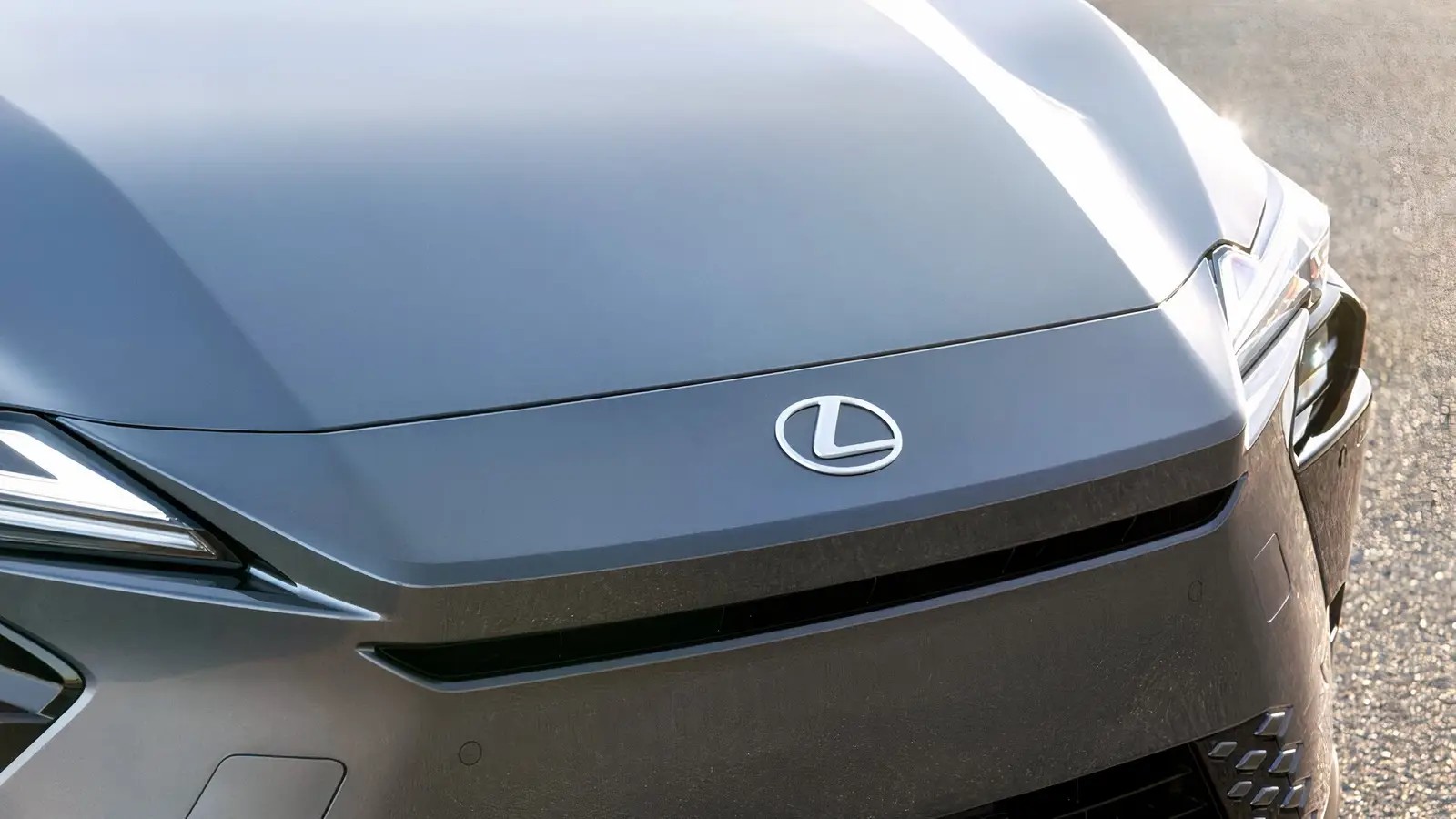
The Lexus ES occupies a sweet spot. It solves the “luxury tax” by sharing bones with mass-market Toyotas while looking like it belongs in a different zip code.
The current iteration is the eighth generation. For 2026, it lands with updates designed to reinforce reliability above all else. This model continues the legacy started in 1989. The ES was introduced to make luxury attainable for American dealerships tired of only selling large LS sedans. Now? You see them everywhere. You see the LS less often. The market spoke, and the LS is essentially dead because the ES did the job so well.
Specs: No Frills, Just Hybrids
Forget turbo lag. Forget air suspension leaks. The 2026 Lexus ES leans heavily on proven hybrid technology.
The heart of this car is a sixth-generation powertrain. A 2.5-liter inline-four combined with dual electric motors and an e-CVT. Output is 244 horsepower. That is up 29 horses from the prior gen, which matters, though it shouldn’t. It’s not a sports car. It is an efficient cruiser.
Fuel economy sits at a respectable 46 MPG combined. And for 2026, you can actually get all-wheel drive with it. That is a first for the model line.
More importantly, this is the same hybrid setup found in a Toyota Camry. If you want cheap parts and a mechanic who doesn’t charge dealership rates by the hour, that is exactly what you are getting under the hood. Maintenance becomes less of a nightmare and more of a checklist. Brake pads lasting 80,00+ miles? The regen braking handles most of the stoppage, leaving the physical pads to wear down slowly over years instead of weeks.
Previous models cost roughly $468 a year in routine maintenance. Expect similar figures here. Maybe a slight bump due to inflation, but nothing catastrophic.
Tech And Safety Without The Monthly Bill
Subscription services for heated seats? Unheard of. Paying for Super Cruise functionality month after month? Absurd.
Lexus isn’t joining the subscription train with this update. The new Safety System+ 3.0 (often marketed under newer suites depending on trim, but generally included) is standard across the board. Pre-collision braking, lane tracing assist, adaptive cruise. All there. No monthly fee for safety features that should have been standard since 2015.
Luxury should never mean subscribing to your car’s basic safety features.
Starting MSRPs reflect this sensible approach. At roughly $51,090 with destination fees included, the ES undercuts the entry-level BMW 5-Series and Mercedes E-Class by a significant margin—usually around $10,000 to $15,00 less on paper.
Insurance? Also lower. Less power means less risk. Simple math.
Is It Right For You?
This car is not for you if you need 400 horsepower and a track-focused handling balance. You won’t find that here. The V8 or high-performance hybrid V6 versions (when available or in other lines) are for people who treat braking as a suggestion.
The 2026 Lexus ES is for people who view their car as a utility that transports them to important meetings in comfort, not as a status symbol that drains liquidity through annual service bills. It offers brand prestige without the maintenance bruises. You drive a Lexus, not just a Toyota with better leather, but you get 90% of the Toyota’s mechanical soul.
If you want peace of mind alongside your premium leather, the math points in one direction. Buy the hybrid. Skip the subscription. And never lease a German sedan without reading the return policy fine print.