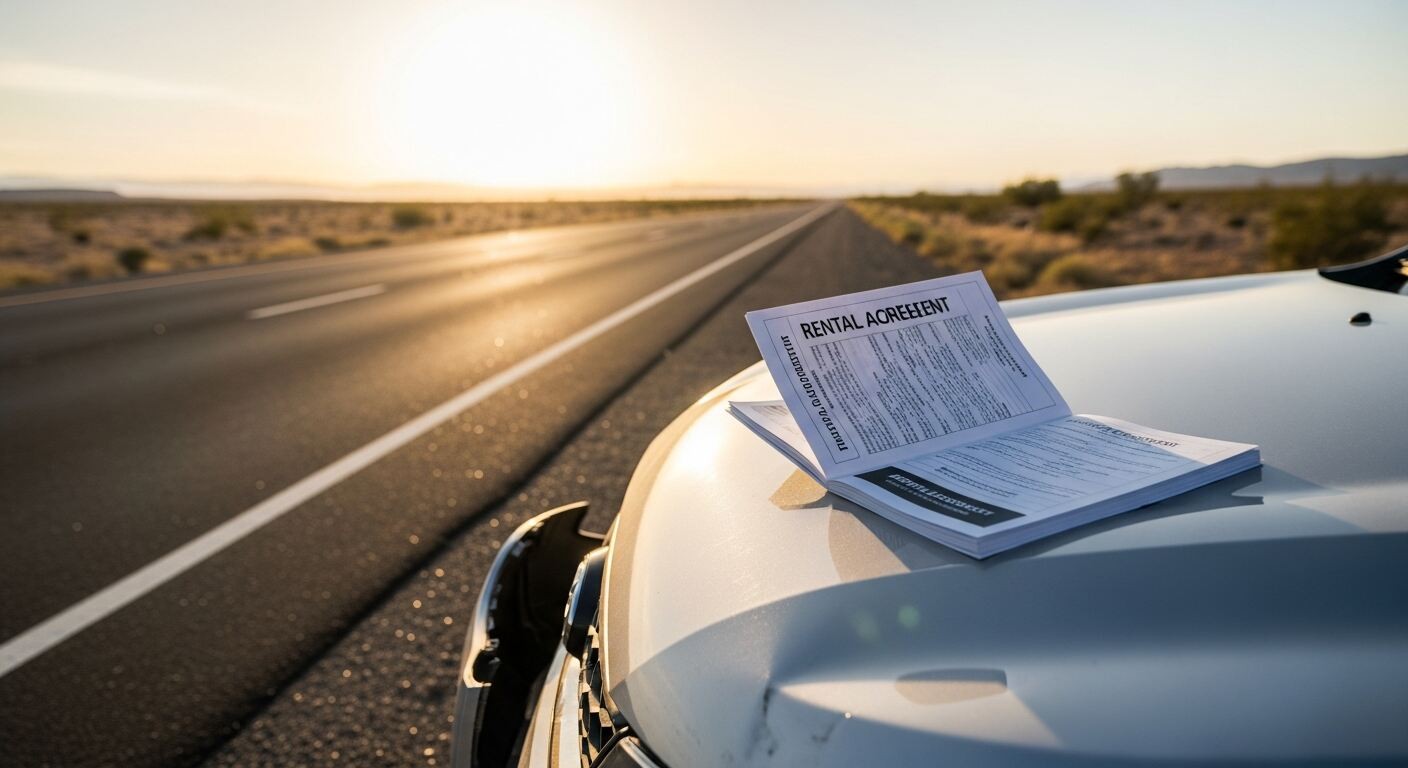
A scenic drive along the Pacific Coast Highway or Route 66 can quickly turn into a financial nightmare if you encounter a collision. For international travelers, a car accident in the United States is not merely a logistical inconvenience; it is a complex legal and financial event shaped by a unique, decentralized regulatory landscape.
Because the US is divided into 50 individual states, traffic laws, police protocols, and insurance requirements vary significantly across borders. Understanding these nuances is the difference between a manageable mishap and a catastrophic financial loss.
Immediate Actions: The First Moments After a Crash
In many countries, minor fender-benders are settled privately between drivers. In the United States, this approach can be a costly mistake.
1. Contact Law Enforcement (Dial 911)
In most US jurisdictions, a formal police report is legally required for any accident involving property damage exceeding a certain threshold (often around $1,000). Do not skip this step. American insurance adjusters frequently deny claims if an official police report is not present.
2. Exercise Caution with Communication
Cultural norms can become legal liabilities. While it is polite in many cultures to apologize immediately, in the US, an apology can be interpreted in court as an admission of guilt.
– Stick strictly to the facts when speaking to officers.
– Provide your identification and insurance details.
– Avoid discussing fault or offering apologies.
3. Document the Scene Rigorously
In the American legal system, photographic evidence is paramount. Before the vehicles are moved or towed, use your smartphone to capture:
– Wide-angle shots of the entire intersection and surrounding environment.
– Close-up shots of vehicle damage and license plates.
– Dashboard details, including mileage and any active warning lights.
– Contact information from other drivers and independent witnesses.
Understanding the “Alphabet Soup” of US Insurance
One of the greatest risks to foreign tourists is the assumption that their home country’s travel insurance provides adequate coverage. This is a dangerous misconception.
The Coverage Gap
Standard UK or European travel insurance policies often have liability caps that are significantly lower than the average US legal settlement. In a country where personal injury lawsuits can reach millions of dollars, being underinsured can put your personal assets at risk.
When renting, you will encounter several specific types of coverage:
– CDW/LDW (Collision/Loss Damage Waiver): Covers damage to the rental vehicle itself.
– SLI (Supplemental Liability Insurance): Covers damage or injury caused to others. This is critical for protecting yourself against massive third-party lawsuits.
Recent Legal Shifts
Insurance laws are constantly evolving through court rulings. For example, recent precedents (such as those in Connecticut) have clarified that if a policy covers bodily injury for the driver, it must also extend to passengers. This highlights why understanding the specific terms of your rental agreement is vital.
When the Rental Company is at Fault
Not all accidents are the result of driver error. Mechanical failures—such as faulty steering or brakes—can lead to collisions. Rental companies are legally obligated to maintain their fleets to federal safety standards. If a crash is caused by poor maintenance, the liability may shift from the driver to the rental agency.
The Legal Landscape: Liability and Claims
The US civil justice system is highly litigious, and the process of determining “fault” can be aggressive and drawn-out.
Comparative Negligence
Many US states operate under the principle of comparative negligence. This means that if you are found partially responsible for an accident, your financial compensation is reduced by your percentage of fault. For instance, if you are awarded $10,000 but found 20% at fault, you will only receive $8,000.
Seeking Professional Assistance
If an accident involves serious injury or complex disputes with large insurance corporations, navigating the system from abroad is nearly impossible.
Key Insight: Many US personal injury firms operate on a contingency fee basis (similar to “no win, no fee”). This allows individuals to secure legal representation without paying upfront hourly rates, leveling the playing field against corporate legal teams.
Summary Checklist for Travelers
- [ ] Call 911 immediately to ensure a police report is filed.
- [ ] Avoid apologizing to prevent accidental admissions of guilt.
- [ ] Photograph everything before the scene is cleared.
- [ ] Verify SLI coverage to protect against high-value US lawsuits.
- [ ] Consult a specialist if facing complex injury or liability claims.
Conclusion: While a car accident in the US is a stressful event, proactive documentation and an understanding of local liability laws can protect you from devastating financial consequences.