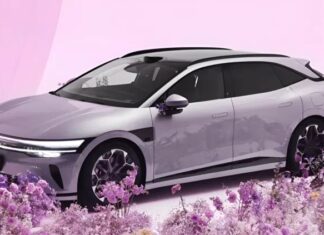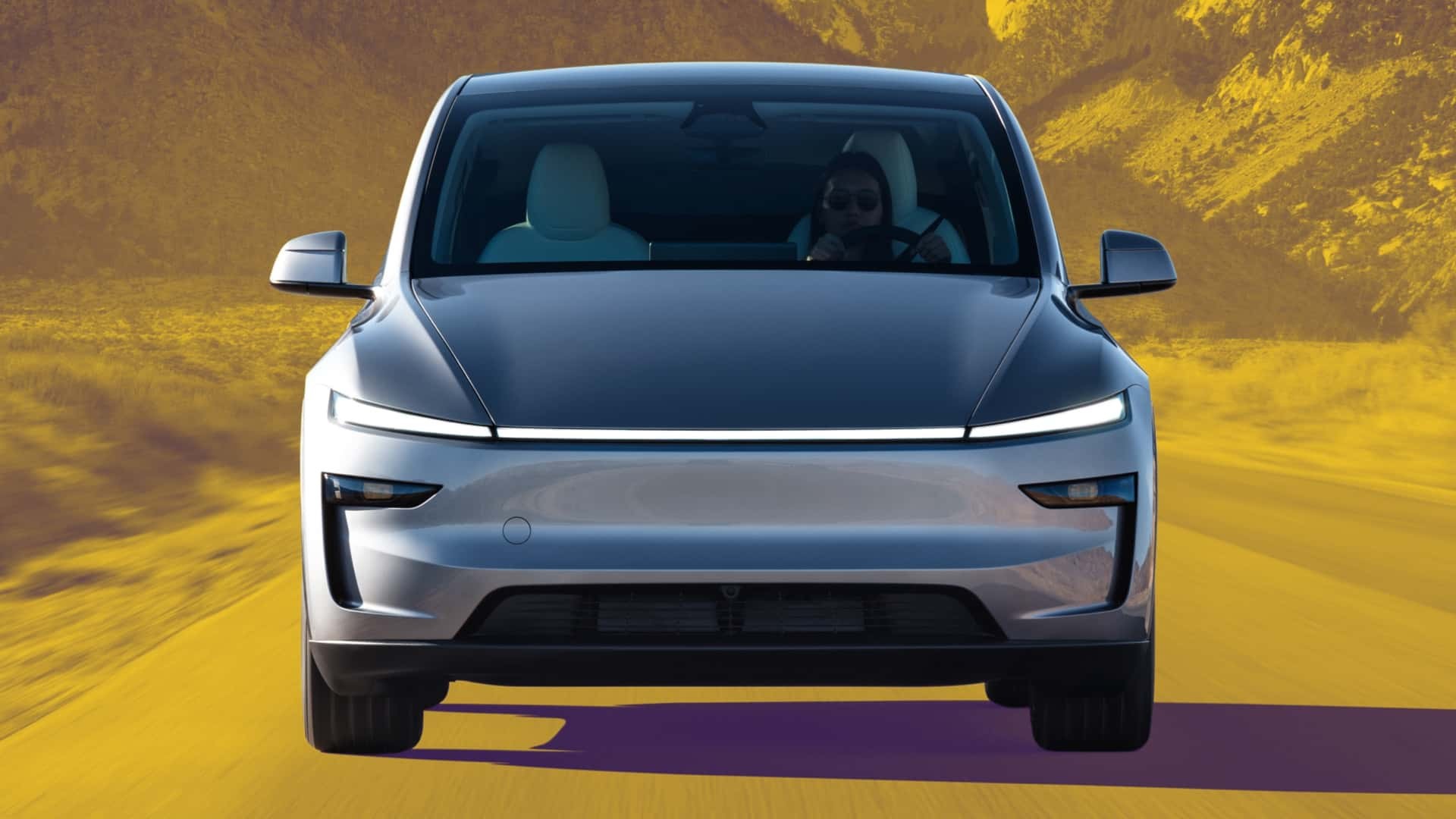
Take a look at the front of an electric car. It looks wrong.
Smooth. Closed. Missing something you’ve known for decades.
There’s no mesh. No chrome bars sucking in air. Just a blank panel where the radiator should be. It looks like a design choice, maybe even a futuristic joke. But it’s not.
It’s physics.
An internal combustion engine burns fuel. It makes heat. A lot of it. That heat kills engines if they get too warm. So, we need grilles to feed air into the radiator, cooling the liquid that keeps the machine from melting itself.
Electric motors? They don’t burn anything. They spin. They generate far less waste heat.
So the big, gaping hole in the front of a traditional car becomes unnecessary clutter.
But removing that hole isn’t just about aesthetics. It’s about range.
The Aerodynamic Advantage
Air is thick. It pushes back.
When air hits an open grille, it doesn’t just flow through. It swirls. It crashes into the radiator, the engine components, the suspension towers. It creates drag.
Drag is the enemy of efficiency.
At highway speeds, an EV has to expend energy to push air out of its way. If you remove the grille, the air slides over the smooth nose. It stays attached to the body. It leaves with less turbulence.
That’s a huge deal for electric vehicles. Range anxiety is real. Every watt counts.
“A smooth EV nose allows more of the wind to travel cleanly around the body instead.”
The difference might seem marginal. Maybe a 2% boost? But EV engineering is a game of inches. Every small gain adds up. Flush door handles help. Flat underbody panels help. Aerodynamic wheel designs help.
Closing the grille is just the easiest win.
They Still Need to Breathe
Does an EV run hot? Yes.
Not like a gas engine. But the battery? The motors? The inverter? All of that stuff gets warm. If the battery overheats, you lose performance. If it gets too cold, you lose range. Thermal management is critical.
The US Department of Energy lists this as a key factor in EV reliability. You can’t just ignore it.
So, how do they cool down without a massive front intake?
They go low.
Most EVs have small, hidden intakes in the lower bumper. These channels air over heat exchangers. The top half of the car stays clean. The bottom does the work.
Some cars even have active flaps.
The Hyundai Ioniq 5 uses active air flaps. They stay closed when you’re cruising for max efficiency. They open when the battery needs a cool-down. It’s selective breathing.
Performance Changes the Rules
Not all EVs are created equal.
A commuter car? It barely warms up on a Tuesday afternoon drive. A track beast? It cooks.
High-performance EVs like the Hyundai Ioniq 5N have different needs. Hard acceleration. Fast charging. Track laps. These events generate massive heat.
You can’t seal those cars completely.
The Ioniq 5N has visible mesh. Vents. Air curtains. It needs air. It demands airflow. The brand says these features balance efficiency with the cooling demands of serious driving.
Same goes for electric trucks. Tow a trailer. Drive through a desert. You need cooling.
The key is intent. Those openings aren’t there because tradition demands them. They’re there because the physics of performance require them.
The Grille Has a New Job
Automakers face a strange problem.
Drivers recognize brands by their grilles. The kidney grille. The waterfall. It’s been a century of design language. Take it away, and a car looks anonymous. Faceless.
BMW knows this. They kept the kidney shape on the iX. But it’s sealed. It’s a “intelligent panel.”
It doesn’t feed air. It houses sensors. LiDAR. Radar. Cameras.
The grille is still there. It’s just working a new shift.
Other brands use textures. Lights. Body-color inserts. They mimic the look of a grille without the aerodynamic penalty. It’s visual shorthand. A nod to the past while driving into the future.
The Identity Crisis
Designers are stuck in the middle.
Enthusiasts hate fake grilles. Reddit threads explode over it. Some say it’s necessary for brand identity. Others call it lazy design. Plastic sheets covering holes that aren’t needed.
There’s a conflict.
Customers want to know they’re looking at a BMW or an Audi. They expect a face. But aerodynamics say, “Close it.”
It’s a compromise. A visual dance.
The grille isn’t dead. It’s evolving. It’s hiding sensors. It’s saving energy. It’s keeping the brand recognizable while shedding pounds of drag.
The next time you see a smooth, grille-less EV, don’t think it’s incomplete.
Think about how much air it’s letting slip by.