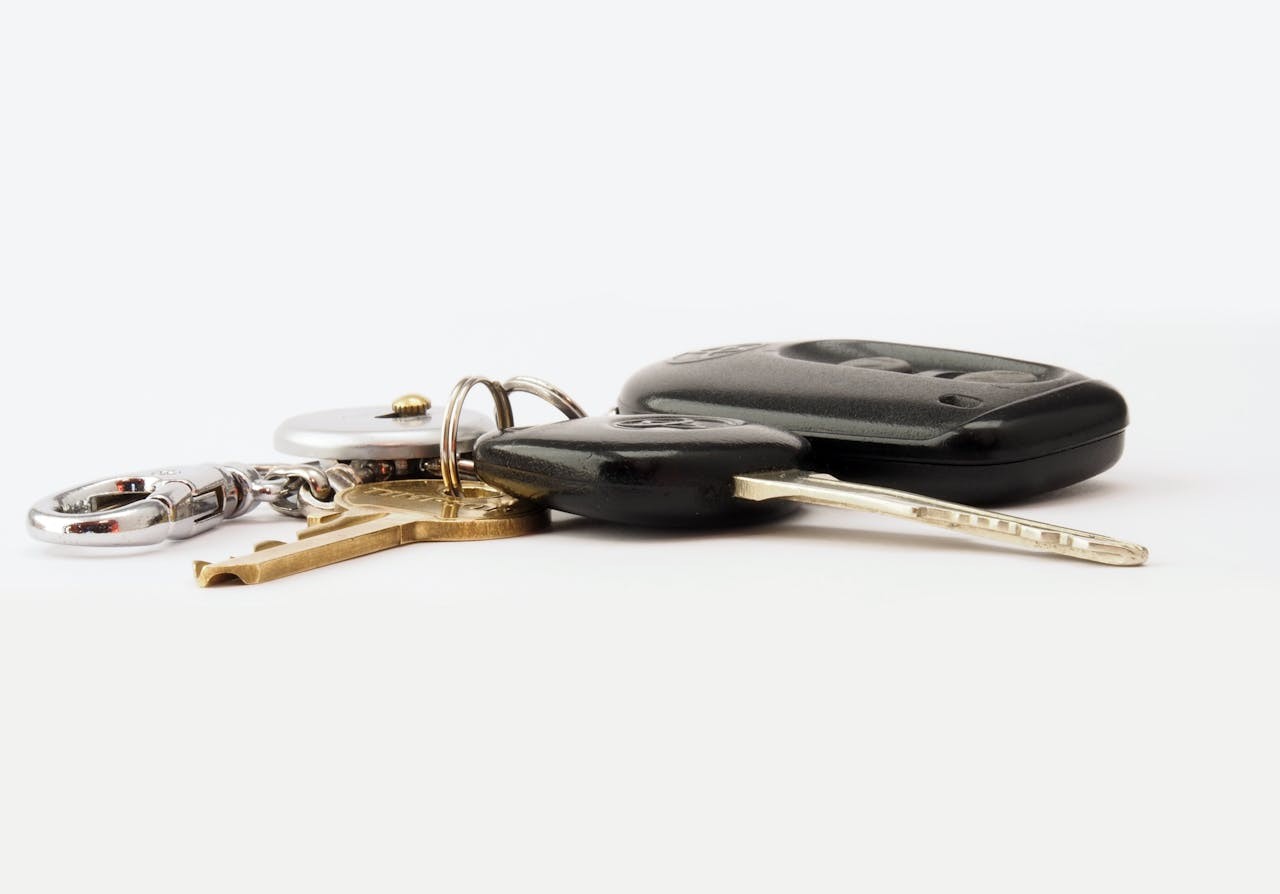
Losing your car keys is a high-stress event that can instantly disrupt your schedule and security. However, the path to resolution depends heavily on the type of key you lost and how it was lost. By following a structured approach, you can minimize downtime and avoid unnecessary repair costs.
1. Immediate Response: Search and Retrace
Before making any calls, take a moment to calm down. Panic often leads to overlooked details.
– Retrace your steps: Physically walk back through your recent movements.
– Check common “blind spots”: Inspect pockets, bags, and backpacks. Don’t forget to check the vehicle itself—look under seats, in the glove compartments, and on the floor mats.
– Focus on habits: Check the places where you habitually store your keys when you arrive home or at work.
2. Identify Your Key Type
The complexity and cost of replacement are dictated by the technology embedded in your key. Understanding what you have will help you communicate effectively with professionals.
- Traditional Metal Keys: These are the simplest to replace. A locksmith can easily cut a new physical key to match your lock.
- Transponder Keys: These contain an internal chip that communicates with your car’s immobilizer system. If the chip isn’t programmed correctly, the engine will not start, even if the physical key turns the lock.
- Smart Keys / Key Fobs: These are advanced electronic devices used for push-button starts. They require specialized digital programming to sync with your vehicle’s computer.
3. Professional Solutions: Locksmith vs. Dealership
If a search proves unsuccessful, you have two primary routes for replacement. Each has distinct advantages and drawbacks.
The Mobile Locksmith (Often the Faster Option)
An automotive locksmith can often provide on-site assistance. They can travel to your location, unlock the vehicle without causing damage, and—in many cases—cut and program new keys on the spot. This is generally the most convenient solution for those who are stranded.
The Automotive Dealership (The Official Route)
Dealerships are a reliable option, especially for highly specialized or very new vehicle models. However, be aware of the following:
– Logistics: You may need to tow your vehicle to the service department if you have no working spare.
– Cost & Time: Dealerships often charge higher fees and may require a longer wait time for parts and programming compared to local locksmiths.
– Requirements: You will strictly need to provide proof of ownership to proceed.
4. Critical Security: Lost vs. Stolen
There is a vital distinction between misplacing your keys and having them stolen.
If your keys were stolen, your priority shifts from convenience to security.
If theft is suspected, you must have your vehicle’s system reprogrammed immediately. This ensures that the stolen key becomes useless to anyone attempting to access your car. Additionally, contact your insurance provider; many policies include coverage for lockout services or partial key replacement.
5. Prevention: Avoiding Future Lockouts
The most cost-effective way to handle lost keys is to ensure it doesn’t happen again. Investing in prevention is significantly cheaper than emergency replacement.
- Duplicate your keys: Always maintain at least one functional spare.
- Use technology: Attach a Bluetooth tracking device (like an AirTag or Tile) to your keychain for easy locating via smartphone.
- Establish a “Home Base”: Designate a specific, permanent spot in your house for your keys to prevent them from wandering.
Summary: To resolve a lost key issue, first identify your key type and then choose between the speed of a locksmith or the official service of a dealership. Most importantly, if theft is involved, prioritize reprogramming your vehicle to maintain security.