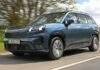
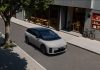
Kia Australia is seeing unexpected momentum for its upcoming electric van, the PV5 Cargo, even before its official market launch. Despite being months away from hitting Australian roads, the vehicle is already attracting significant interest from both commercial fleets and private buyers.
Competitive Pricing Drives Early Interest
The PV5 Cargo is set to arrive in Australia in late May 2026. With a starting price of $55,990 (before on-road costs), Kia has positioned the vehicle as one of the most accessible electric vans in the country.
This aggressive pricing strategy appears to be working. Dean Norbiato, Kia Australia’s General Manager of Marketing, noted that early orders have “exceeded expectations.” By undercutting established competitors like the Peugeot e-Partner, LDV eDeliver 7, and Volkswagen ID. Buzz Cargo by at least $6,000, Kia is targeting a price-sensitive segment of the market that has been waiting for viable electric commercial options.
Key Specifications and Performance
While the initial Australian release will focus on the S Long Range variant, the vehicle offers a balanced specification for urban and regional logistics:
- Powertrain: Single-motor, front-wheel drive setup.
- Range: A claimed 416km (WLTP), providing sufficient distance for most daily commercial routes.
- Battery: Equipped with the smallest of the three battery options available in the global PV5 lineup, prioritizing cost-efficiency.
A Diverse Buyer Profile: From Fleets to Lifestyle Users
One of the most interesting trends emerging from Kia’s early data is the diversity of the customer base. While electric vans are traditionally viewed as purely utilitarian tools for businesses, the PV5 is attracting a “mix” of buyers:
- Commercial Fleets: National-level deals are already being secured for business logistics.
- Individual Lifestyle Buyers: Private customers are looking to repurpose the cargo space for personal use, such as transporting surfing equipment or customizing the interior for hobby-related gear.
This trend mirrors the market behavior seen with the Volkswagen ID. Buzz, where the line between a “commercial vehicle” and a “lifestyle vehicle” has become increasingly blurred.
Looking Ahead: Future Variants
The PV5 is part of a broader global family that includes cab-chassis models with trays and wheelchair-accessible people movers. While Kia Australia has not yet committed to bringing these specific configurations to the local market, they have indicated an openness to expanding the range based on demand.
The early success of the PV5 Cargo suggests that the Australian market is hungry for electric commercial vehicles that prioritize affordability and versatility over premium luxury.
Conclusion
By entering the market with a highly competitive price point, Kia is positioning the PV5 Cargo to challenge established players and capture both the professional fleet and the growing “lifestyle” electric vehicle segments.