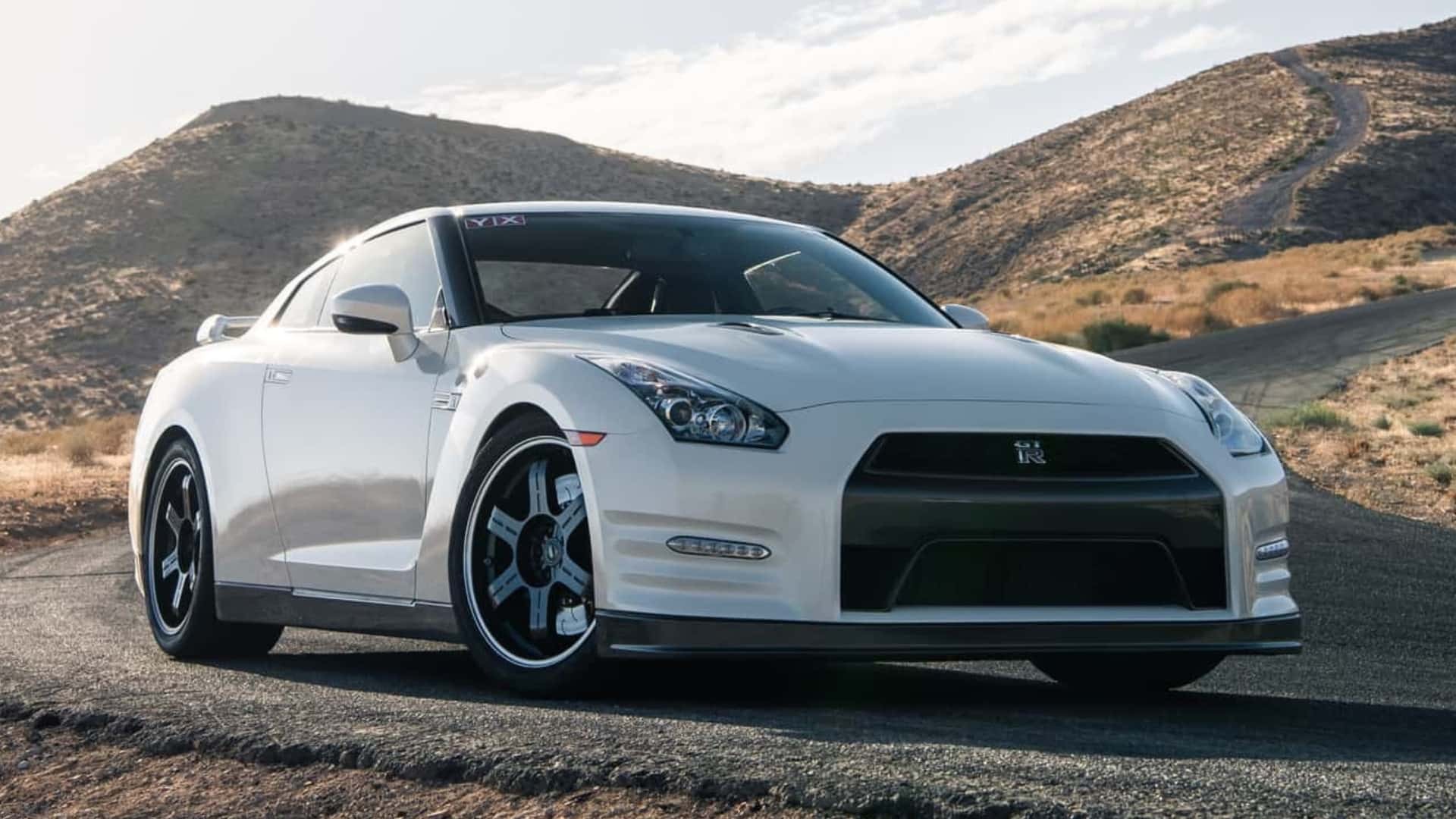
The era of the R35 GT-R has officially come to a close, but the legend is far from over. Nissan CEO Ivan Espinosa has confirmed that the company is actively working on a successor—the highly anticipated R36 GT-R —ensuring that one of the industry’s most significant performance icons continues its legacy.
The Return of an Icon
The R35 generation, which enjoyed an impressive 17-year production run, concluded its journey in 2024 with two final special editions. While the departure of such a long-standing model often signals the end of an era, Espinosa’s recent comments at Nissan’s Yokohama headquarters clarify that the GT-R remains central to the brand’s identity.
“The GT-R will come, and it will come with the credibility and credentials it has always had… It’s an icon of a company, but more so an icon of the industry.” — Ivan Espinosa, Nissan CEO
While specific technical specifications remain under wraps, the consensus among leadership is clear: the next generation must maintain the “true performance” DNA that defined the nameplate for nearly 60 years.
Hybridization and the Future of Performance
As the automotive industry shifts toward electrification, the development of the R36 faces a delicate balancing act. To meet modern emissions standards and performance expectations, industry trends suggest that hybrid technology will likely play a key role in the next GT-R.
This transition is a common path for high-performance manufacturers; electric motors can provide the instantaneous torque required to complement traditional internal combustion engines, potentially enhancing the visceral driving experience rather than diluting it. The challenge for Nissan will be integrating these technologies without losing the mechanical soul that enthusiasts demand.
Expanding the Sports Car Portfolio
The news regarding the GT-R is part of a broader signal from Nissan: the company is looking to revitalize its enthusiast-driven lineup. Espinosa hinted that the GT-R might not be a solitary act, suggesting that Nissan is exploring ways to expand its sports car offerings.
There is significant speculation regarding a more accessible model to sit alongside the Nissan Z. Specifically, the potential revival of the Silvia nameplate has been a recurring topic of interest. Espinosa expressed a personal desire to see such a move, though he maintained a cautious professional stance:
- The Vision: Leveraging legendary nameplates to expand the sports car portfolio.
- The Reality: A “step-by-step” approach to ensure financial and technical prudence.
This cautious approach reflects the broader trend in the automotive market, where manufacturers are carefully navigating the high costs of developing new platforms amidst a global shift toward electric vehicles.
Conclusion
Nissan is signaling a strategic commitment to its performance heritage by confirming the development of a new GT-R and exploring the revival of classic sports car names. While the company must balance enthusiast expectations with modern technological requirements, the focus remains on preserving the high-performance identity that defines the brand.