BMW has officially decided to end allocations of its flagship electric SUV, the iX, for the United States. While the model will continue to be produced and sold in other international markets, its departure from the American lineup marks a strategic pivot in the automaker’s electrification roadmap.
A Strategic Shift Toward “Neue Klasse”
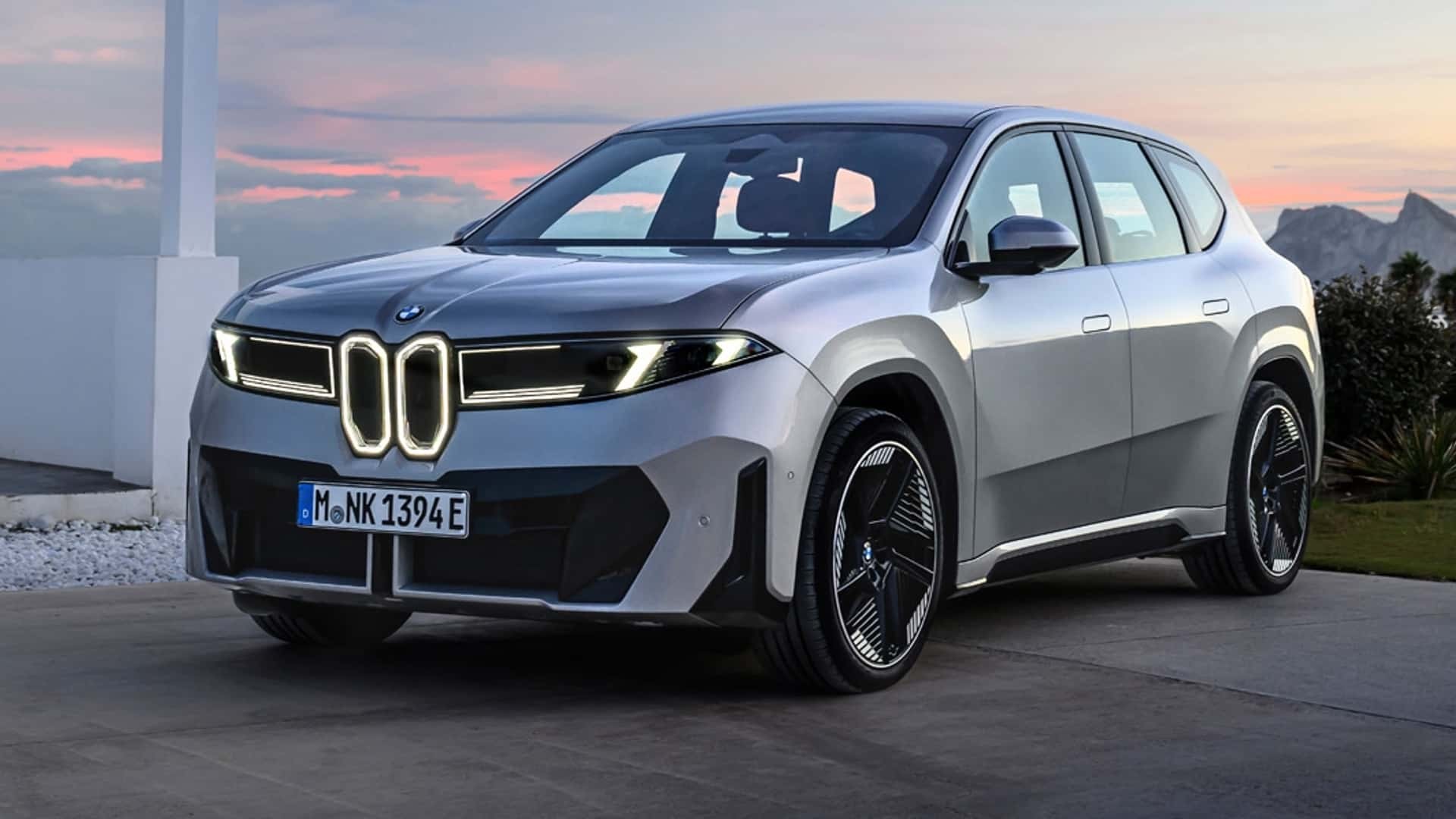
The decision to retire the iX in the U.S. is not a sign of failure, but rather a transition of focus. According to a BMW spokesperson, the company is clearing the way for its next major technological leap: the Neue Klasse generation of vehicles.
The iX was originally introduced in 2022 as a high-tech flagship designed to showcase BMW’s fifth-generation electric drive technology and a new design language. However, as the industry moves at a rapid pace, the iX has fulfilled its role as a “technology demonstrator.” BMW is now preparing to roll out its sixth-generation eDrive technology, which will be integrated into the upcoming Neue Klasse models.
Declining Sales Trends
The withdrawal comes on the heels of a noticeable downward trend in U.S. sales performance. While the iX was never intended to be a high-volume mass-market vehicle, its popularity has waned steadily over the last few years:
- 2023: Sales peaked at 17,301 units.
- 2024: Sales dropped to 15,383 units.
- 2025: Sales declined further to 12,587 units.
- 2026 (Q1): The downward trend has accelerated, with sales down 50.7% compared to the same period last year, totaling just 1,788 units in the first three months.
This decline suggests that while the iX was a successful showcase for innovation, it struggled to maintain momentum in a tightening electric vehicle market where consumer expectations for range, software, and efficiency are evolving rapidly.
Why This Matters
The departure of the iX from the U.S. highlights a broader trend in the automotive industry: the rapid obsolescence of early-generation EVs.
In the electric era, the “shelf life” of a vehicle’s technology is much shorter than in the internal combustion era. A model that feels cutting-edge today can feel outdated within three to four years due to advancements in battery chemistry and software. By removing the iX now, BMW is making room in its product strategy for a more advanced, more efficient generation of vehicles that can compete with the next wave of EV competitors.
BMW maintains that it remains “fully committed to electrification in the U.S.,” suggesting that the iX is being replaced by a more robust, next-generation lineup rather than a reduction in their electric offerings.
Conclusion
The end of the iX in the United States represents the closing of a chapter for BMW’s fifth-generation electric technology. The automaker is effectively clearing the stage to prioritize the launch of its much-anticipated Neue Klasse models, which aim to set a new standard for the brand’s electric future.