Wolfsburg doesn’t just make cars. It lives them.
At the base of the massive Volkswagen factory stands Autostadt. Think of it less as a museum and more as a car-obsessed theme park. Spread across 70 acres, the site is a playground for gearheads. Seven pavilions, each dedicated to a specific brand under the VW Group umbrella, line the grounds. There is the GroupForum entrance. There is the Zeithaus, which focuses purely on automotive design. Around two million visitors hit the site annually. They come to learn. They come to touch the history.
But the collection isn’t limited to badges you recognize from your daily commute. In fact, some of the most fascinating exhibits have nothing to do with Volkswagen at all. The lineup is eclectic. It is weird. It is brilliant.
Let’s drive through the highlights.
The Bubble Car Era
Scrolling through an archive of obscure automotive history might not seem like your ideal Saturday, but have you ever seen a three-wheeled bubble car? Meet the Messerschmitt/FMR KR200.
It first rolled out in 1955. Back then, Messerschmitt wasn’t allowed to build aircraft due to post-war restrictions. So they built tiny cars instead. When the ban on plane manufacturing lifted, Messerschmitt sold the rights to the design. FMR picked up the slack, churning out units until 1964.
You don’t just look at this thing. You inhabit it. It is a bubble on wheels.
The Beetle’s Long Life
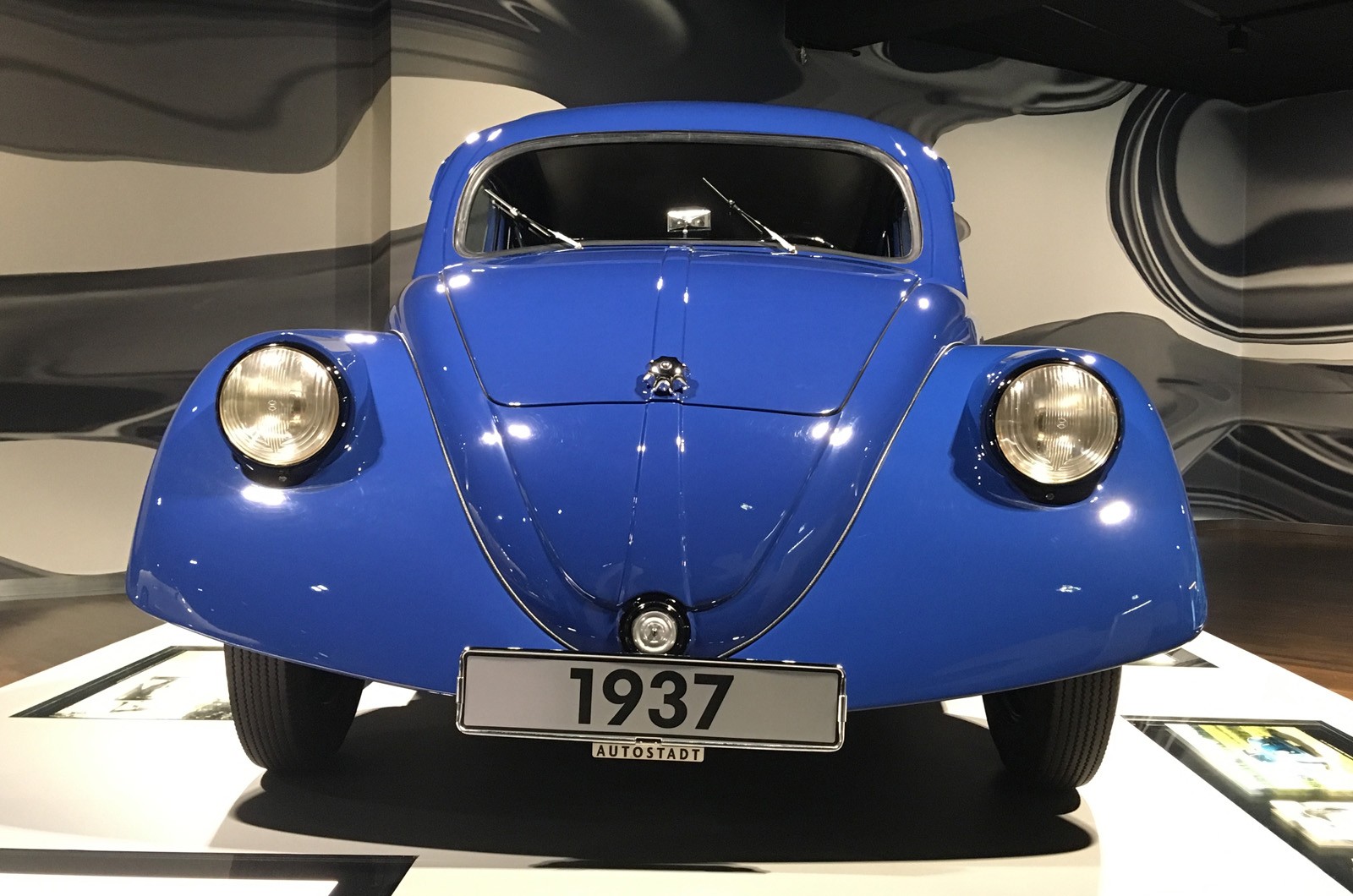
Then there is the Beetle. Everyone knows the Beetle. But few know how to frame its entire existence between two metal boxes on this specific lawn.
On one side: a 1938 prototype. Raw. Early. The beginning. On the other: the last Beetle ever produced. A 2003 model that rolled off a line in Mexico. It was the final unit. Emissions laws changed. The rules got tighter. The Beetle couldn’t legally exist in that form anymore. Production ended.
Two cars. Sixty-four years apart. Standing side-by-side in the Zeithus. It is a testament to durability. The Type 1 holds the record for the longest-produced single model in history. No contest.
The Electric Future (With a Twist)
Speaking of endurance, VW is circling back. The classic Type 2 Transporter is returning.
Known variously as the Kombi, Microbus, or just “the Camper Van,” the Type 2 debuted in 1950. It is an enduring design classic. And yes, the upcoming electric ID Buzz owes its very soul to this sheet metal.
One specific example in the museum has a quirky backstory. It wears the branding for Sinalco. This is a German fizzy drink dating back to 1902. It remains one of the best-selling sodas in the country. Why the name? It comes from a Latin contraction: sine alcohol meaning “no alcohol.” A bubbly, non-alcoholic nod to a classic ride.
Beyond the Badge
You wouldn’t expect to find a Benz in a VW museum, yet there it is.
Inside the Zeithaus—a space explicitly dedicated to the progression of car design—sits an 1899 Benz Velo Convertible. It honors Karl Benz (1844–1929). The pioneer. The man who essentially invented the motor car.
This inclusion proves Autostadt isn’t just a shrine to one company. It’s a shrine to the machine.
And then there are the Porsches.
Walk through the grounds and you’ll spot them. Classic Porsches encased in glass boxes, shielded from rain, sun, and time. A Porsche 911 sits among them. Stunning. Preserved. Waiting for someone to ask, “How does a place like this stay so relevant?”
The answer is simple: because the cars never stop moving, even when they’re parked.