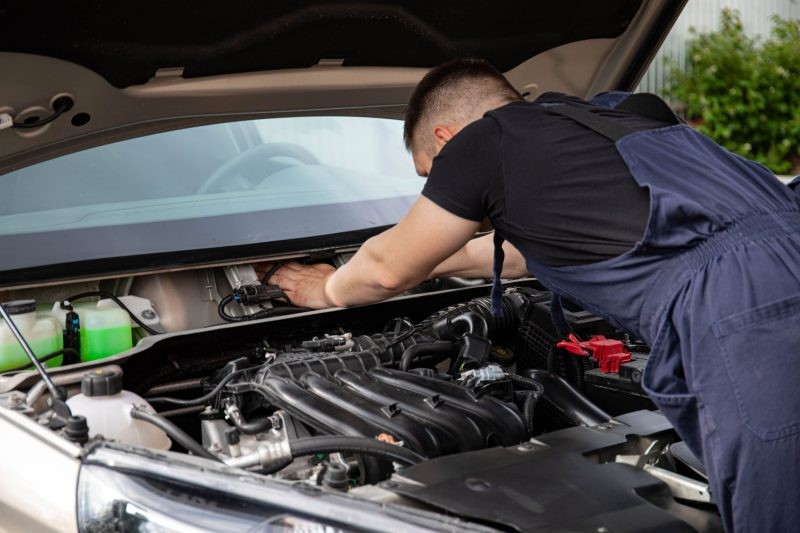
The days of just knowing your way around an oil change are gone. Electric vehicles, complex computer diagnostics, hybrid systems—they’re everywhere. If you’re asking how to become a car mechanic in 5 easy steps in the UK, you’re looking at a trade that is rapidly evolving. It’s not about muscle alone anymore. It’s about tech. And that’s why qualified mechanics are fighting for spots.
People assume it takes years of university. It doesn’t. The UK has practical routes. Real ones. You learn in class. Then you get your hands dirty. Here is how you do it.
Why choose automotive repair?
It’s stable. It’s physical. It pays well if you get good at it. Modern mechanics diagnose electrical faults, fix advanced safety sensors, and keep electric cars running.
Some of the best parts:
- Strong demand for skilled techs
- Hands-on work instead of sitting in an office
- Specialization opportunities in EV and hybrid tech
- Career growth with experience
- Business potential if you want to open your own garage
The UK auto industry employs hundreds of thousands. It’s a massive skilled sector.
Step 1: Finish basic education
Start with secondary school. Grades help but skills matter more. You might switch paths later. Life is rarely a straight line. Some students start in unrelated fields, struggle with academic loads, and pivot. That happens. It doesn’t invalidate your future in the garage.
Finishing basic education gives you the literacy and logic skills you need. You read technical manuals. You diagnose faults. You prove you can stick with something until it’s done.
Step 2: Enroll in automotive training
Go to college. Or a technical institute. The programs mix theory with workshop time.
You’ll cover:
- Engine repair and maintenance
- Transmission, suspension, steering
- Brakes and electrical diagnostics
- Hybrid and electric vehicle tech
- Health and safety
Hands-on practice wins here. You work on real cars. Not just textbooks. Employers want candidates who know workshop basics before they even start.
Step 3: Do an apprenticeship
This is often the best route. In the UK, an apprenticeship combines paid work with learning. You work under experienced mechanics. You attend training sessions.
You’ll learn to:
- Perform routine servicing
- Diagnose mechanical issues
- Replace components safely
- Use professional diagnostic software
- Communicate with customers
- Follow safety standards
It’s real-world experience. Fast. Many apprentices get job offers upon completion. Employers love people who already know how they operate.
Step 4: Earn qualifications
Certifications matter. They show you meet industry standards. They influence hiring.
Focus areas include:
- Vehicle maintenance and diagnostics
- Advanced engine repair
- Hybrid and EV servicing
- Air conditioning systems
Tech changes. You must keep up. Continuing education leads to promotions. It leads to more money.
Step 5: Gain experience and specialize
Training ends. Career begins. You improve by working on different models. You learn new tricks. You adapt.
Specialize in:
- Performance tuning
- Diesel or electric engines
- Classic car restoration
- Advanced diagnostics
Curiosity helps. Reliability matters more. Many mechanics move into management, fleet maintenance, or garage ownership.
What skills do you really need?
Tech knowledge isn’t enough.
Problem-Solving is key. Modern cars are electronic puzzles.
Communication sells repairs. Explain issues simply.
Attention to detail prevents mistakes. Small errors cause big failures.
Physical stamina matters. You stand. You lift. You work in tight spaces.
Adaptability is essential. New tools arrive every year. Keep up.
Timeline and salary
How long does it take?
- Basic courses : 1–2 years
- Apprenticeships : 2–4 years
- Advanced certs : additional months
Many work while learning. Start earning while studying.
Salaries vary by location, certs, and experience. Entry-level starts modest. Specialists in diagnostics or luxury brands earn significantly more. Shop owners earn even more.
Careers beyond the garage
Don’t assume you’re stuck in one bay.
Options include:
- Vehicle manufacturing
- Motorsport
- Fleet and public transport maintenance
- Agricultural machinery
- Automotive education
- Technical sales and inspection services
Flexibility is a major benefit of this trade.
Is it worth it?
If you like fixing things? Yes.
If you hate office politics? Probably yes.
Electric vehicles are driving demand for modern tech skills. Jobs are plentiful across the UK and beyond. It’s physically tough. But the variety is good. The learning is continuous.
Following how to become a car mechanic in a practical, step-by-step way isn’t just about getting a job. It’s about building a life where you fix what’s broken. Whether you work for a dealership, a specialized center, or yourself. The path is open. Just don’t expect it to be easy.