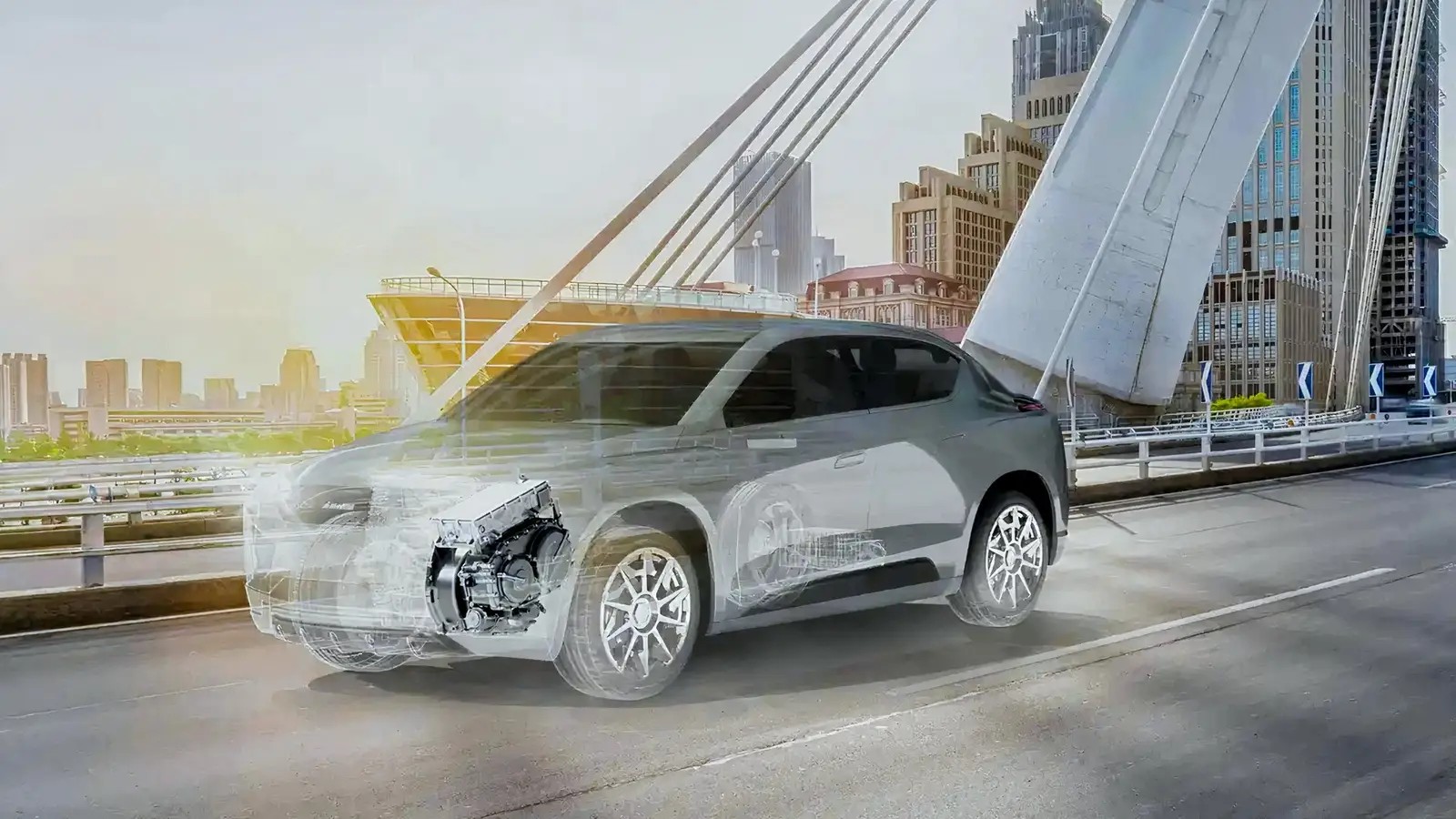
Magna International, a major automotive supplier, has quietly unveiled a new range-extending technology that addresses a critical challenge facing both electric vehicles (EVs) and consumers: limited range and volatile fuel prices. The company’s DHD REX (range extender) system offers a modular solution designed to boost the viability of range-extended EVs (REEVs) – vehicles combining an electric drivetrain with a gasoline engine acting as a backup generator. This development comes at a time when high fuel prices and persistent EV range anxiety are pushing automakers and consumers alike to seek more versatile solutions.
The Rise of the REEV: A Middle Ground Approach
REEVs occupy a unique space in the automotive landscape, bridging the gap between traditional hybrids and fully electric vehicles. Unlike conventional hybrids where the combustion engine directly powers the wheels, in a REEV, the gasoline engine solely generates electricity to charge the battery, powering the electric motor. This allows for extended driving ranges without relying entirely on charging infrastructure. Despite the potential benefits, REEV adoption has been slow due to consumer skepticism and fluctuating interest in EVs. The core issue is perceived redundancy: why include a gas engine if the goal is electrification?
How Magna’s DHD REX Works
The DHD REX is designed to overcome these concerns with its versatility. It’s a fully scalable unit that can be integrated into various vehicle platforms, from compact cars to SUVs. The system isn’t just about extending range; it also offers multiple operational modes:
- Electric Driving: The DHD REX operates as a standard EV until the battery is depleted.
- Range Extension: Once the battery is low, the gasoline engine kicks in to generate electricity, extending driving range.
- Parallel Hybrid Functionality: The system can also operate in a parallel hybrid mode, leveraging both the electric motor and gasoline engine for efficient highway driving.
Why Now? Fuel Prices and Automaker Interest
The timing of the DHD REX launch is significant. Fuel prices have spiked sharply in 2024, with some regions of the U.S. seeing prices near $6 per gallon. This makes fuel-efficient alternatives like hybrids and EVs more attractive. At the same time, several major automakers, including RAM, Jeep, Ford, Hyundai, Nissan, and Audi, have shown interest in developing REEVs for the U.S. market.
The DHD REX addresses a key barrier to REEV adoption: the lack of a readily available, scalable range-extending solution. Magna’s offering could be the missing piece needed to convince automakers to move forward with REEV plans, especially given the ongoing uncertainties surrounding EV demand and charging infrastructure development.
The DHD REX isn’t just a technological upgrade; it’s a practical response to the current economic and automotive climate, offering a flexible solution that could reshape the future of EV adoption.
In conclusion, Magna’s DHD REX is a compelling piece of engineering that could revitalize interest in REEVs. By offering a fully scalable and versatile solution, it positions itself as a potential game-changer in the automotive industry, particularly as fuel prices remain high and automakers seek alternatives to all-electric or all-gasoline vehicles.