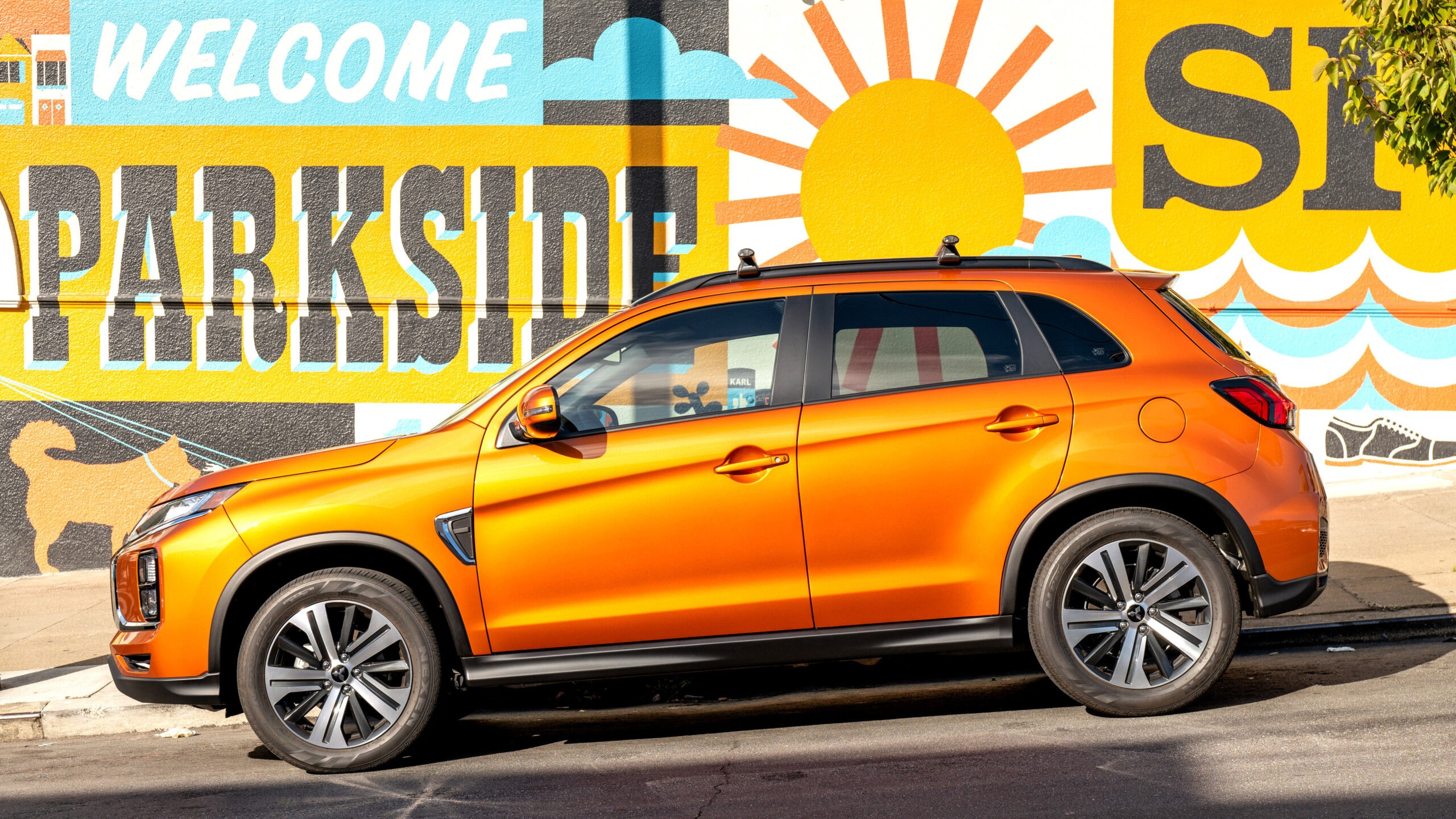
Mitsubishi’s U.S. sales reveal a surprising trend: buyers are flocking to the aging Outlander Sport, even as newer, more capable models struggle. This surge in demand for a vehicle first launched in 2010 highlights how affordability and brand recognition can outweigh modern features for some consumers.
The Outlander Sport’s Revival
In the first quarter of 2024, Mitsubishi sold 12,076 Outlander Sport SUVs—a remarkable 74.8% increase from the 6,910 units moved in the same period last year. This marks the model’s strongest opening quarter since 2021, reversing a steady decline from 15,356 (2021) to 3,707 (Q1 2022), 4,613 (Q1 2023), and 4,569 (Q1 2024). The Outlander Sport now represents nearly half (45%) of Mitsubishi’s total U.S. sales.
Despite being a 16-year-old design with only facelifts to update it, the Outlander Sport starts at $24,995. This price point makes it competitive with newer, objectively better alternatives like the Hyundai Venue, Chevrolet Trax, Nissan Kicks, Kia Seltos, Hyundai Kona, and Toyota Corolla Cross.
Eclipse Cross Follows Suit
The Outlander Sport isn’t alone in defying expectations. The Eclipse Cross, another aging model, saw an 83.7% sales jump, rising from 3,731 to 6,852 units. This suggests that consumers may be prioritizing value and familiarity over cutting-edge technology.
Modern Models Struggle
While the older models thrive, demand for Mitsubishi’s newer offerings is falling. Outlander sales dropped 43.5% (from 11,992 to 6,780 units), and the Outlander Plug-In Hybrid declined by 32.8% (from 1,703 to 1,144). The discontinued Mirage also plummeted from 7,301 to just 29 units sold.
Overall Decline Despite Niche Success
Despite the unexpected success of the Outlander Sport and Eclipse Cross, Mitsubishi’s overall U.S. sales decreased by 15.0%, dropping from 31,637 to 26,884 units in the first quarter. This indicates that while certain models resonate with buyers, the brand as a whole is losing ground.
The Outlander Sport’s surge suggests that price and familiarity still hold significant sway in the automotive market, even as newer, more advanced options emerge. This trend raises questions about consumer priorities and whether Mitsubishi can capitalize on this niche success to revitalize its broader lineup.