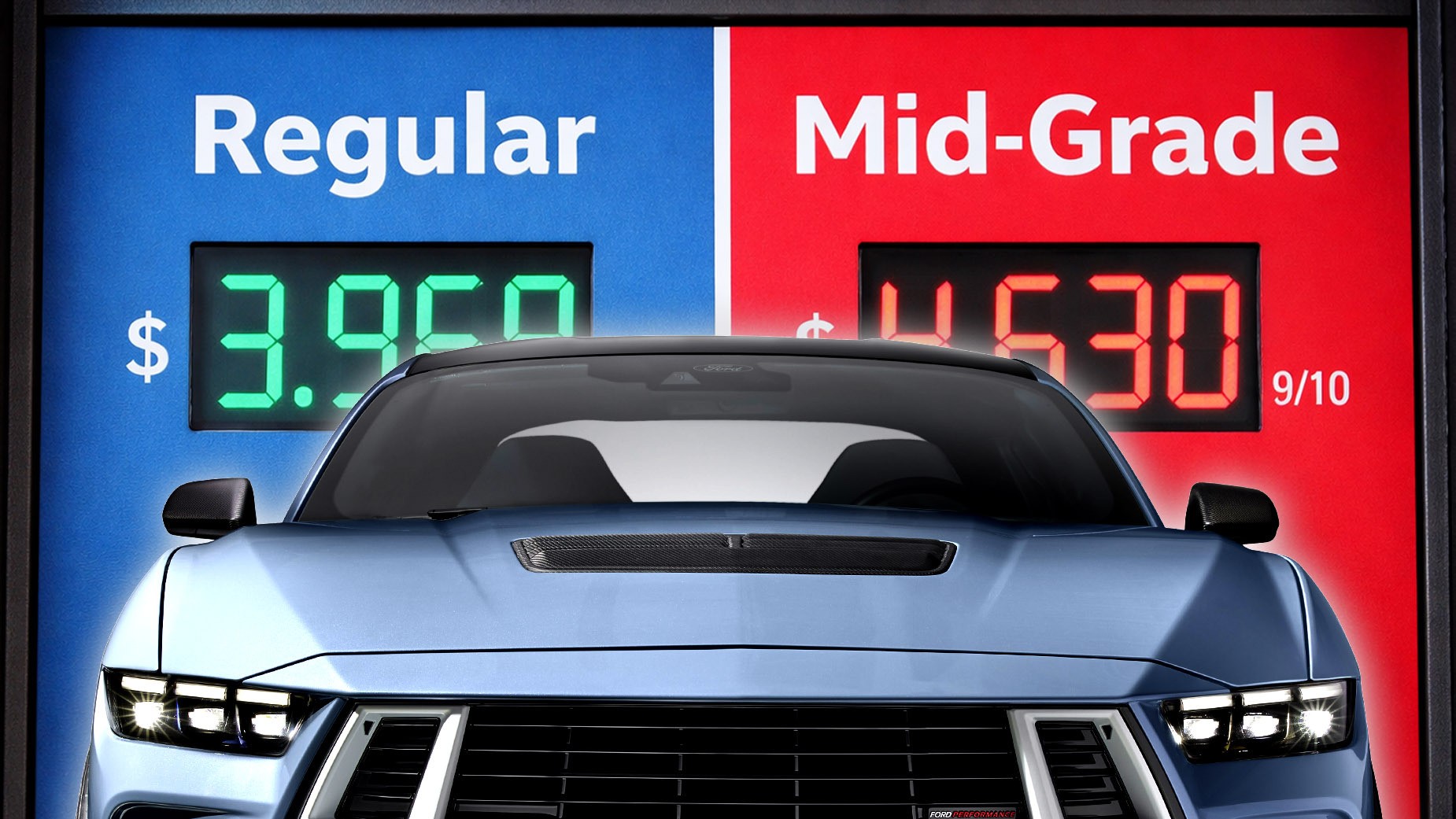
Gasoline prices in Georgia, like across the United States, have jumped nearly 80-90 cents per gallon since the start of recent international conflicts. This sharp increase—from around $3.00 to $3.77 for regular gas, with higher rates for mid-grade ($4.23) and premium ($4.64)—has prompted state lawmakers to take immediate action. The Georgia House of Representatives passed House Bill 1199 on Wednesday, aiming to temporarily suspend the state’s motor fuel tax for 60 days.
Temporary Relief at the Pump
The bill now heads to the Senate for approval, with Governor Brian Kemp likely to sign it into law given his past independent suspensions of the same tax. This measure could save drivers a significant amount per fill-up. Georgia currently levies approximately 33 cents per gallon on gasoline and 37 cents on diesel, and waiving these taxes could provide immediate, if modest, relief. However, the change won’t be instant because the tax is applied at the distributor level—meaning it will take time to filter down to retail prices.
A National Trend
Georgia is not alone in exploring gas tax holidays. California lawmakers are also considering solutions to address rising fuel costs, which are already among the highest in the country. Some candidates have proposed suspending the state’s 61-cent gas tax, while others target environmental regulations that add roughly 50 cents per gallon to the price.
Global Factors at Play
Experts emphasize that the current price spike is primarily driven by global oil markets and disruptions in key shipping lanes like the Strait of Hormuz. Until these trade routes fully reopen, high oil prices are likely to persist. Lawmakers across the country will continue seeking ways to mitigate the impact on consumers, but state-level policies alone cannot fully offset broader economic pressures.
The surge in fuel prices underscores the vulnerability of consumers to international events and the ongoing debate over energy independence versus global trade. State-level interventions like tax suspensions offer short-term relief but do not resolve the underlying supply-and-demand dynamics driving prices higher.