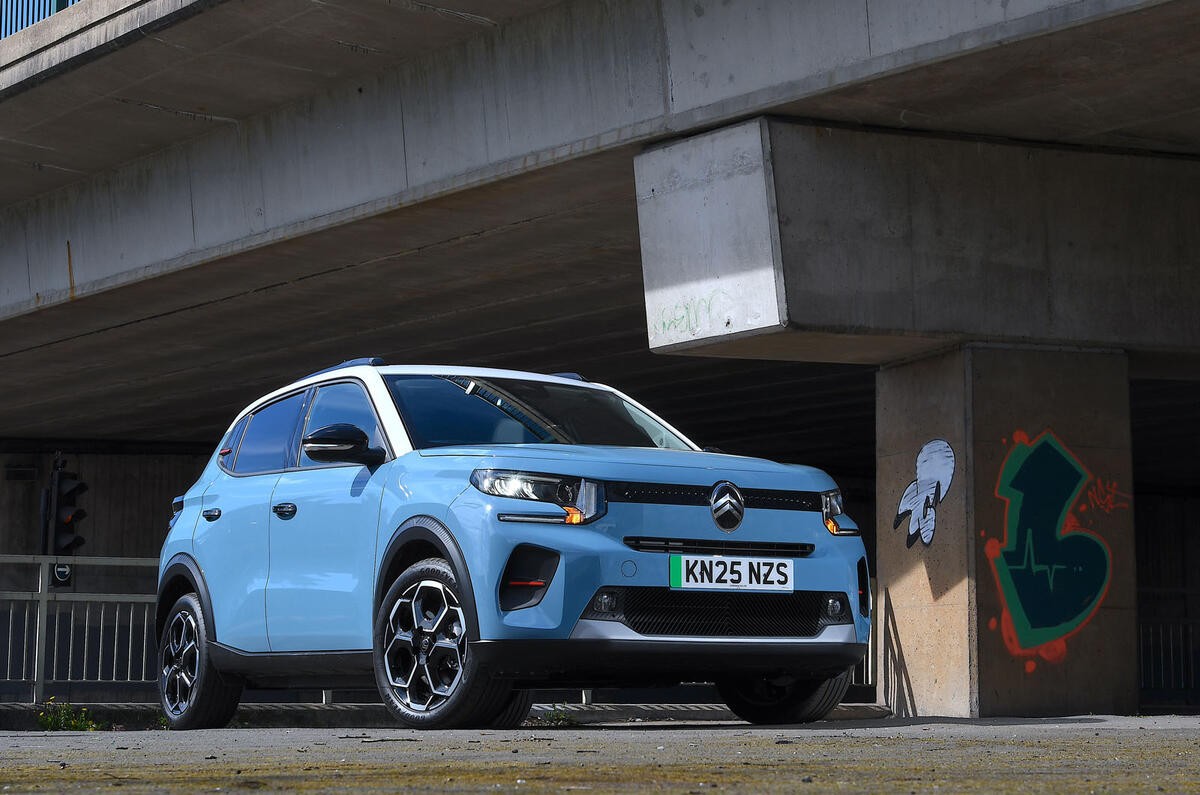
Stellantis is embarking on a strategic shift to ensure its diverse portfolio of brands no longer competes against itself. Under the leadership of newly appointed European design chief Gilles Vidal, the automotive giant aims to move away from “cloned” models and toward distinct identities that resonate with consumers.
The Challenge of Brand Identity vs. Corporate Efficiency
For years, Stellantis—the massive conglomerate housing brands like Peugeot, Fiat, Jeep, and Opel—has utilized shared platforms to maximize efficiency. While using the same chassis and structural components across different models reduces costs, it often results in cars that look and feel remarkably similar.
Vidal’s core mission is to address a fundamental reality of the consumer market: people do not buy “Stellantis”; they buy brands.
“The general public doesn’t care so much about Stellantis: they care about the brands themselves,” Vidal noted. “You buy a Peugeot, an Opel or Vauxhall, a Fiat or whatever… So we need to be super-sharp about what our brands stand for.”
Moving Beyond Shared Platforms
The goal is not to abandon the cost-saving benefits of shared engineering, but to mask the similarities through superior design and driving dynamics. Vidal pointed to a previous era under the PSA Group (a predecessor to Stellantis) as a successful blueprint.
During that period, models such as the Citroën C5 Aircross, Peugeot 3008, and Vauxhall Grandland were built on similar programs but felt like entirely different vehicles. They were distinguished not just by their aesthetics, but by their unique driving characteristics.
Vidal intends to replicate this by focusing on:
– Visual Distinction: Ensuring that even if two cars share a “skeleton,” their “skin” and character are unmistakable.
– Emotional Connection: Strengthening the specific reputation and “soul” of each individual brand.
– Reduced Internal Competition: Preventing a scenario where a customer is forced to choose between two Stellantis products simply because they look too much alike.
Future Directions: Innovation and Elegance
As the company looks forward, Vidal is setting specific tones for individual brands. For Peugeot, the focus will be on “innovation” without sacrificing sophistication.
While Peugeot is experimenting with cutting-edge technology—such as the Hypersquare steer-by-wire system seen in the Polygon concept—Vidal emphasized that the end products must remain grounded. He aims to avoid “crazy” or overly futuristic designs in favor of products that remain “elegant pieces of design.”
Why This Matters
In the modern automotive landscape, brand loyalty is a primary driver of sales. As electric vehicle (EV) platforms become more standardized across the industry, the “personality” of a car becomes its most valuable asset. If Stellantis fails to differentiate its brands, it risks turning its diverse portfolio into a commodity, where customers choose based on price alone rather than brand passion.
Conclusion
By prioritizing brand identity over mere platform optimization, Stellantis aims to transform its diverse collection of marques from a collection of similar models into a powerhouse of distinct, competitive personalities.