


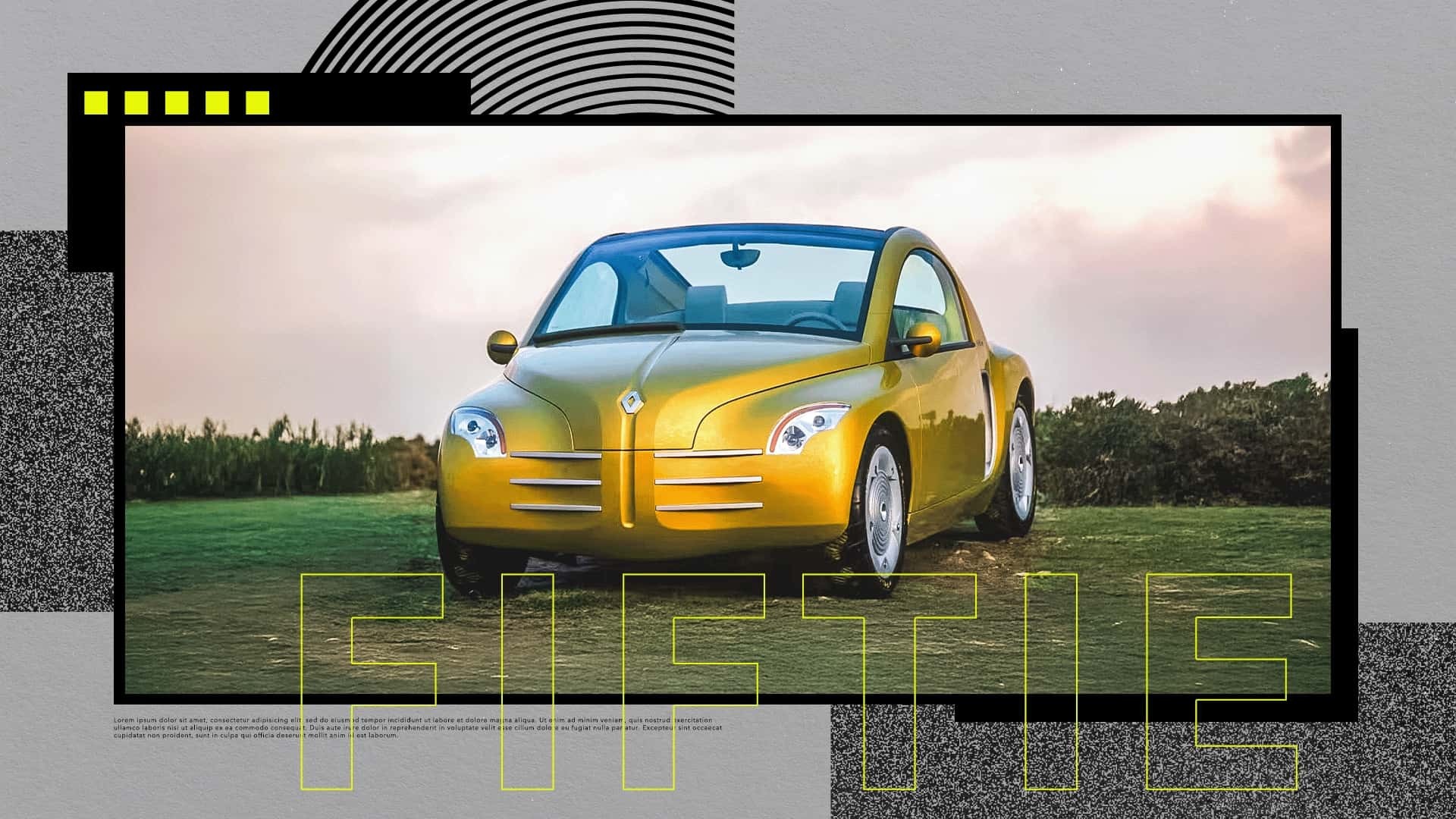
In the mid-1990s, the automotive industry saw a surge in retro-inspired designs, with brands like Nissan and Volkswagen successfully reviving classic models. Renault wasn’t willing to miss out on this trend. In 1996, the French automaker unveiled the Fiftie – a concept car designed to honor the 50th anniversary of the iconic 4CV, one of France’s first mass-market automobiles.
A Modern Take on a Classic
The Fiftie took inspiration from the humble 4CV, retaining its rear-wheel-drive layout and rear-mounted engine. However, beneath the retro exterior lay something unexpected: the chassis of the Renault Sport Spider, a lightweight sports car. This decision made sense at the time, as the Sport Spider already featured the desired rear-wheel-drive configuration. The concept car used a 1.2-liter engine, later found in the Twingo and Clio, instead of the Spider’s more powerful 2.0-liter unit.
Unique Design Choices
The Fiftie sacrificed some practicality in favor of style, dropping the rear doors and seats of the original 4CV. It was technically a hatchback, but featured a unique folding roof with removable panels stored under the rear windscreen, echoing the original’s optional soft top. The rear cargo area was modest, located ahead of the engine.
Influence on Future Models
While the Fiftie didn’t directly inspire Renault’s production lineup, its intricate taillight design found its way onto the Avantime, a coupe-styled minivan that almost made it to U.S. markets under the Nissan badge. The concept car’s unusual proportions and rear mid-engine setup were also notable features.
Lightweight Construction and Performance
The Fiftie boasted a carbon-fiber body mounted on an aluminum chassis, though Renault never disclosed its exact weight. It’s estimated to weigh under 1,742 pounds (790 kilograms), like the Sport Spider it was based on. Despite this lightweight construction, the engine produced only 60 horsepower, making it less focused on speed and more on paying homage to the 4CV, which was the first French car to exceed one million units sold.
A Nostalgic Interior
The interior continued the retro theme with a center-mounted instrument cluster, inspired by certain 4CV versions, and warning lights integrated into the steering wheel spokes. The seats were fixed, but the steering wheel, pedals, and even the dashboard were adjustable. Rattan door panels and linen/cotton upholstery completed the cozy atmosphere.
Why It Mattered
The Fiftie never made it into production, likely due to the high cost of its Sport Spider underpinnings and carbon-fiber body. Renault ultimately chose not to compete directly with the revived Beetle and Mini. However, it foreshadowed the company’s later embrace of retro designs with the modern Renault 4 and 5 EVs, which successfully blend nostalgia with contemporary technology.
The Fiftie was a fitting tribute to one of France’s most important cars, embodying Renault’s willingness to experiment with bold, quirky designs. Today, the brand continues to revive iconic nameplates, striking a balance between honoring the past and embracing the future.


