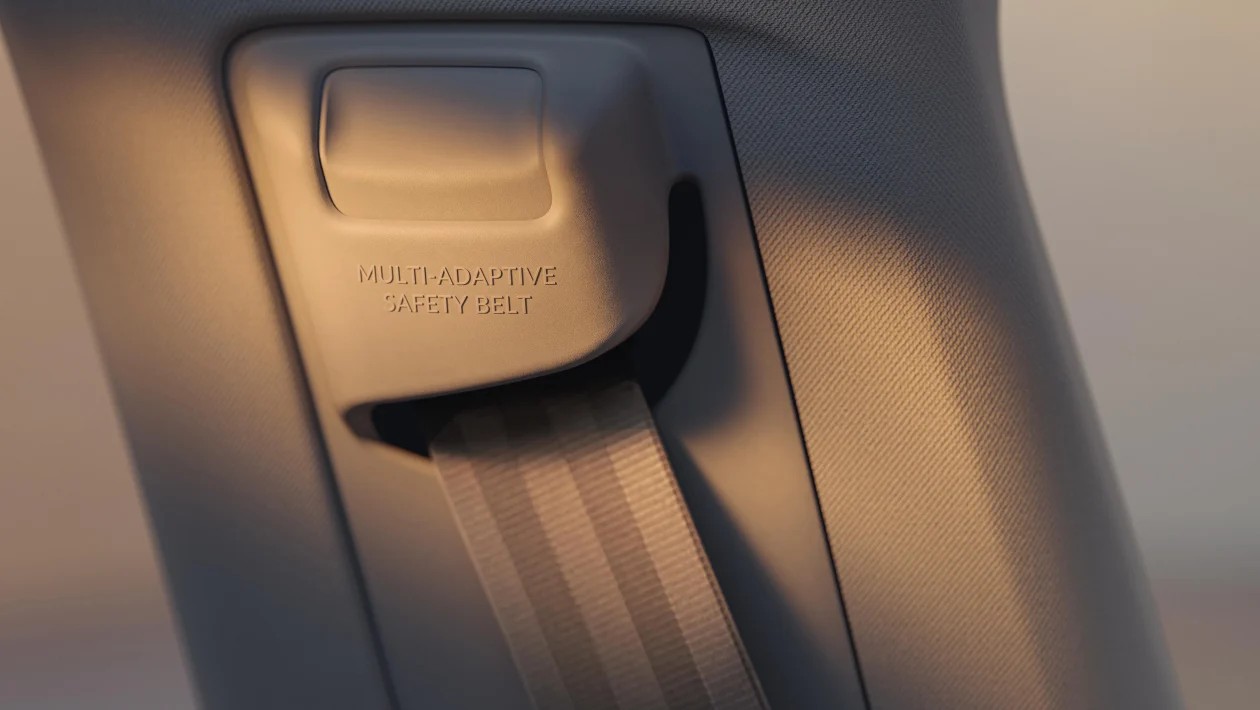
Volvo is pioneering a new level of automotive safety with the launch of its Multi-adaptive Safety Belt, featuring world-first technology designed to minimize injury risks from seatbelts during accidents. While seatbelts are proven lifesavers, current systems can sometimes cause injuries like broken collarbones if not properly adjusted for individual body types. Volvo’s innovation aims to solve this issue by dynamically optimizing seatbelt pre-tension based on occupant size and weight.
Adaptive Technology in Action
The Multi-adaptive Safety Belt will first appear in the new EX60 model, before expanding across Volvo’s future vehicle generations. The system initially uses sensors to select from 11 pre-defined profiles, ensuring better fit for various passengers. Later this year, a software update will unlock “infinite” settings, allowing for even more precise customization.
This isn’t merely about comfort; it’s about injury prevention. Current safety standards – like the Euro NCAP five-star rating – often overshadow the fact that even “safe” cars can still cause harm if seatbelts aren’t optimized for passengers. Volvo emphasizes that they go beyond simply meeting minimum standards.
How It Works
The system employs a combination of internal cameras and sensors to analyze each occupant’s size and weight before an accident occurs. This data pre-loads the seatbelts, adjusting tension to minimize the risk of injury. The belt adjusts individually for each seat.
Future Rollout & Limitations
The Multi-adaptive Safety Belt cannot be retrofitted via over-the-air updates. It will only be available in completely new Volvo model generations, with the next likely candidate being the upcoming EX40, expected around 2027. This means owners of current Volvo models won’t be able to access the feature without upgrading to a newer vehicle.
This innovation represents a significant step forward in passive safety, demonstrating Volvo’s commitment to reducing injury severity beyond basic regulatory requirements. The shift towards personalized safety features is likely to become a standard in future automotive design, as automakers seek to minimize harm even in unavoidable collisions.