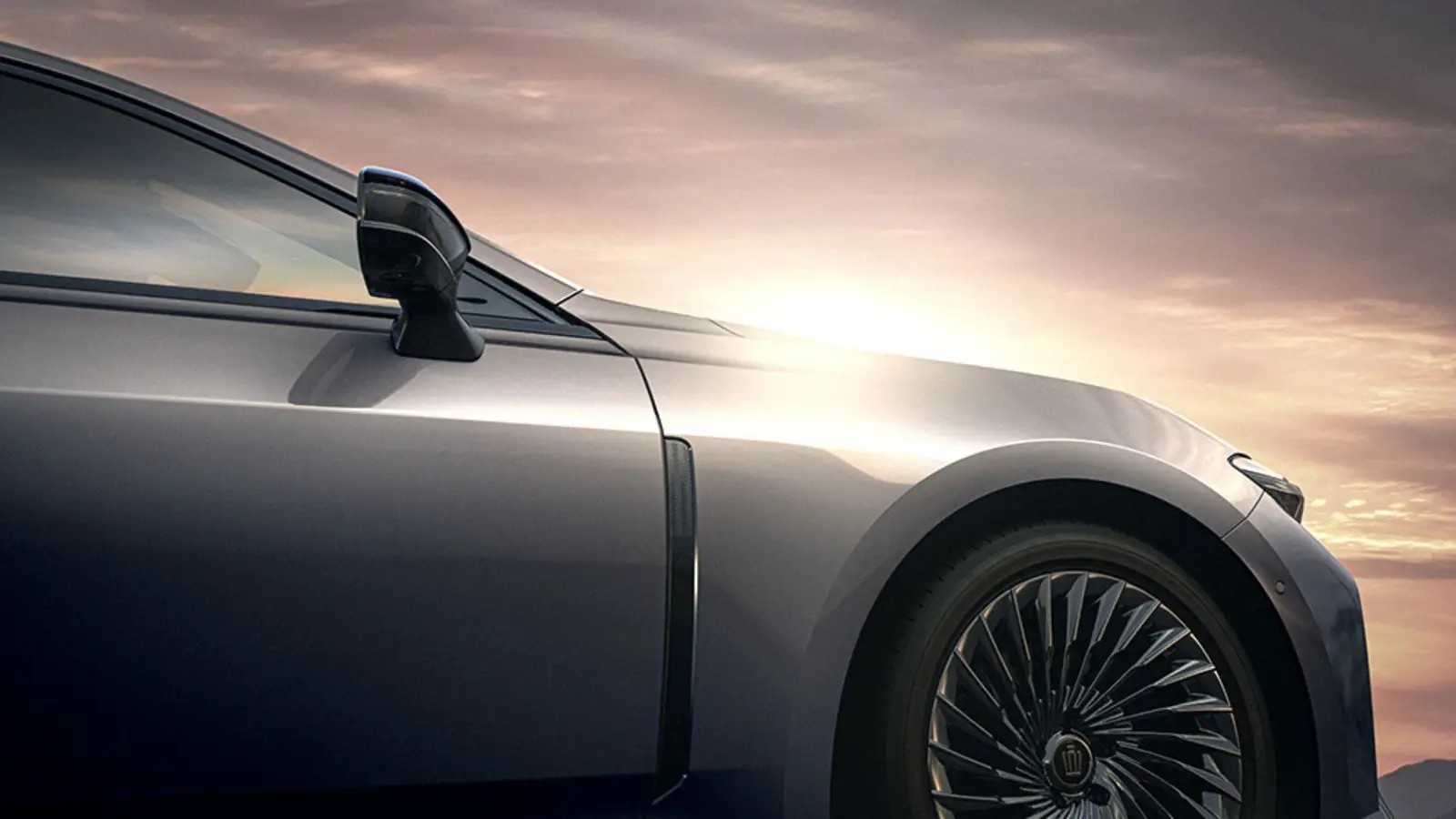
For decades, Japanese car enthusiasts have coveted models unavailable in the U.S. market—the Nissan Silvia S15, the Mitsubishi FTO, and now, a version of the Toyota Crown that remains largely forbidden fruit for American buyers. Toyota reintroduced the Crown to North America in 2023, but the model we received is a far cry from the true luxury sedan that many desired.
The Crown’s Legacy: A Pinnacle of Japanese Automotive Excellence
The Toyota Crown has historically represented the pinnacle of Toyota’s engineering and luxury. Outside of the ultra-exclusive Century, the Crown was designed to be rear-wheel drive (RWD) and focused on delivering a premium experience—qualities completely absent from the Crown sold in global markets, including the U.S. The Japanese-market Crown starts at around $46,884, roughly equivalent to the price of its North American counterpart, making the disparity even more frustrating for enthusiasts.
The Global Crown vs. the Japan-Exclusive Flagship
Toyota has globalized the 13th-generation Crown into four different versions. However, the true Crown enthusiasts crave is the Japan-exclusive RWD flagship model. While exported in limited quantities to China, this version remains largely a domestic affair, leaving U.S. buyers with a significantly different vehicle. The North American Crown, for the first time in its history, utilizes a front-wheel drive (FWD) platform (TNGA-K) with standard electronic all-wheel drive (AWD).
The Crown we wish we had shares the TNGA-L platform with the Lexus LS and LC, delivering a true luxury experience. The current U.S. model is closely related to the Mirai hydrogen fuel cell electric vehicle (FCEV), while Japan offers both FCEV and standard hybrid versions of the flagship Crown.
A Refined Hybrid System Tailored for Performance
The Japanese hybrid Crown features Toyota and Lexus’s Multi-Stage Hybrid system, prioritizing refined performance. It combines a 2.5-liter four-cylinder engine (also found in the Camry and RAV4) with a longitudinal RWD layout. Unlike the North American Crown’s turbocharged Hybrid Max system and six-speed automatic, the Japanese model uses a unique four-speed automatic paired with a CVT, simulating a 10-speed transmission for linear power delivery.
The Multi-Stage Hybrid is a series-parallel system, unlike the North American Crown’s setup. This results in direct throttle response and a smoother driving experience that sets it apart from Toyota’s standard Hybrid System (THS).
How It Drives: A Lexus-Like Experience
Reviews of the RWD Crown confirm that it drives much like a flagship Lexus. Despite using a 2.5-liter four-cylinder instead of the LS’s V-6, the system delivers 245 horsepower and achieves full output at just 25 mph—a significant improvement over previous Crown hybrids.
The adaptive variable suspension provides a supple ride while also firming up in corners, offering a balanced combination of comfort and handling. Torque vectoring by braking further enhances stability and control, making the Crown athletic and engaging to drive.
Why This Matters: Japan’s Affluence on Display
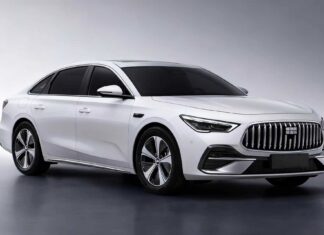
Akio Toyoda reintroduced the Crown to 40 markets worldwide to showcase Japan’s automotive excellence. The Crown represents Japanese pride and affluence, but the true RWD version remains largely inaccessible to U.S. buyers. The fastback design ditches the traditional three-box shape, adopting a curvaceous silhouette similar to the Mirai, with a striking Hammerhead front design featuring connected LED headlights and a wide grille.
The interior of the Japanese Crown boasts real wood and metal trim, reinforcing its luxury status. The North American model, while improved, offers only a glimpse of the authentic Crown experience. Rear-seat occupants benefit from power recline, heating, ventilation, and a touchscreen control panel, rivaling the features of the Lexus LS.
The lack of the true RWD Crown in the U.S. leaves enthusiasts yearning for a vehicle that embodies Toyota’s highest standards of luxury and performance. This situation highlights the disconnect between global and regional automotive strategies, leaving American buyers with a watered-down version of a legendary Japanese icon.