For decades, leather has reigned supreme as the gold standard for premium car interiors. But a shift is underway: fabric is making a serious comeback, offering sustainability, durability, and a surprising dose of style. This isn’t just a trend; it’s a rethinking of what luxury means in the automotive world.
A History of Comfort: From Carriages to Cars
Believe it or not, fabric upholstery isn’t new to high-end travel. In the era of horse-drawn carriages, the wealthy rode on padded fabric seats while the drivers endured leather. The association of leather with luxury is relatively recent – a marketing success story more than a natural order. Now, as environmental and ethical concerns rise, fabric is poised to reclaim its rightful place.
Sustainability and Innovation
The resurgence of fabric isn’t about nostalgia. Modern car textiles are often made from recycled materials : Skoda uses repurposed clothing and plastic bottles for upholstery, while MINI’s “Vescin” offers a leather-like feel with 100% recyclability. This appeals to a growing consumer base—three percent (and rising) of the UK population is now vegan—who may avoid leather interiors altogether.
Beyond Ethics: Performance and Design
Fabric can also outperform leather in certain areas. Unlike leather, high-quality textiles don’t crease or wear down as visibly with use. While leather remains easier to wipe clean, the real advantage of fabric lies in its design potential.
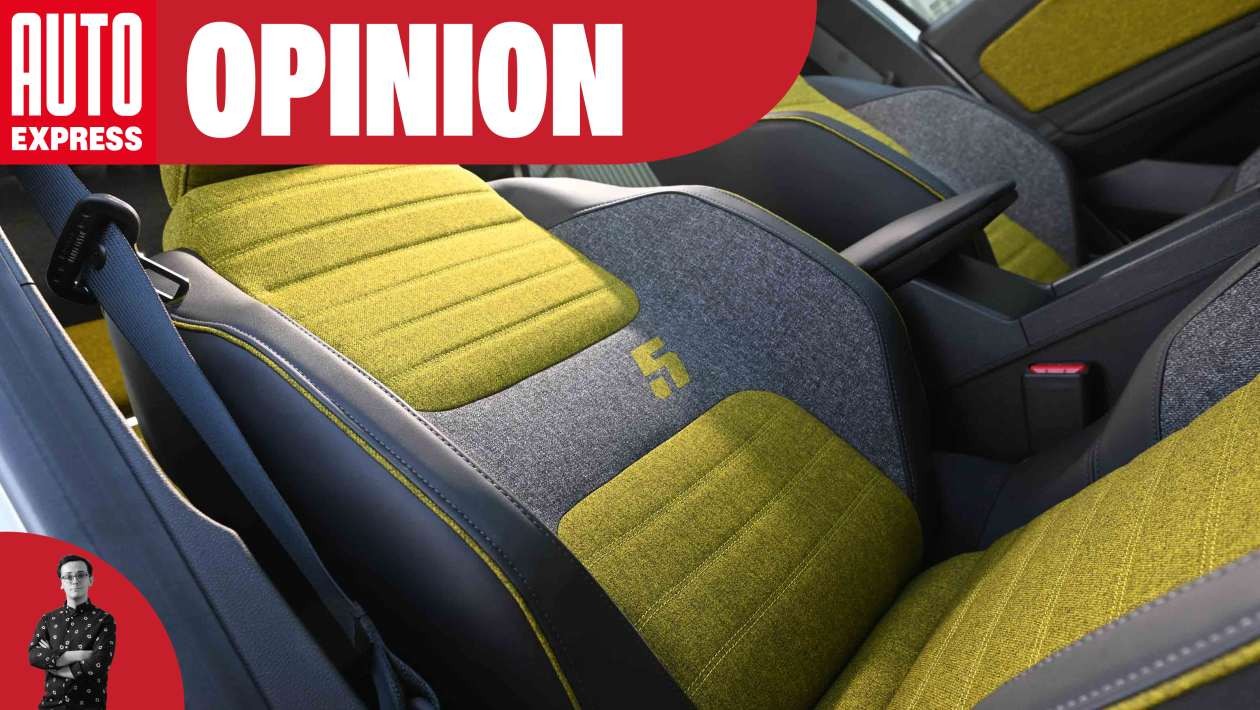
Manufacturers are using bold colors and patterns to create truly standout interiors. The Volkswagen ID.3 GTX Fire & Ice edition features vibrant blue and red upholstery, Renault’s retro 5 boasts yellow denim seats, and the Fiat Grande Panda offers striking two-tone cabins. These aren’t just seats; they’re statements.
Luxury Redefined: The New Premium Feel
Even high-end brands are embracing fabric. Volvo has dropped leather entirely from its latest models, opting for luxurious wool seats that feel like sitting on an expensive sofa. Porsche’s “Pasha” checkerboard design provides a retro yet upscale vibe. This is a clear signal that luxury is no longer solely defined by animal hide.
Ultimately, choosing a car’s upholstery should be about personal preference. While leather may still hold resale value, the focus should be on creating a space you enjoy. Given that most of your time in a car is spent inside, why not choose something that stands out?
The trend towards fabric interiors isn’t just about sustainability or cost; it’s about self-expression and a rejection of outdated norms. As automakers experiment with bolder designs and eco-friendly materials, the future of car interiors is looking increasingly colorful, comfortable, and conscious.